
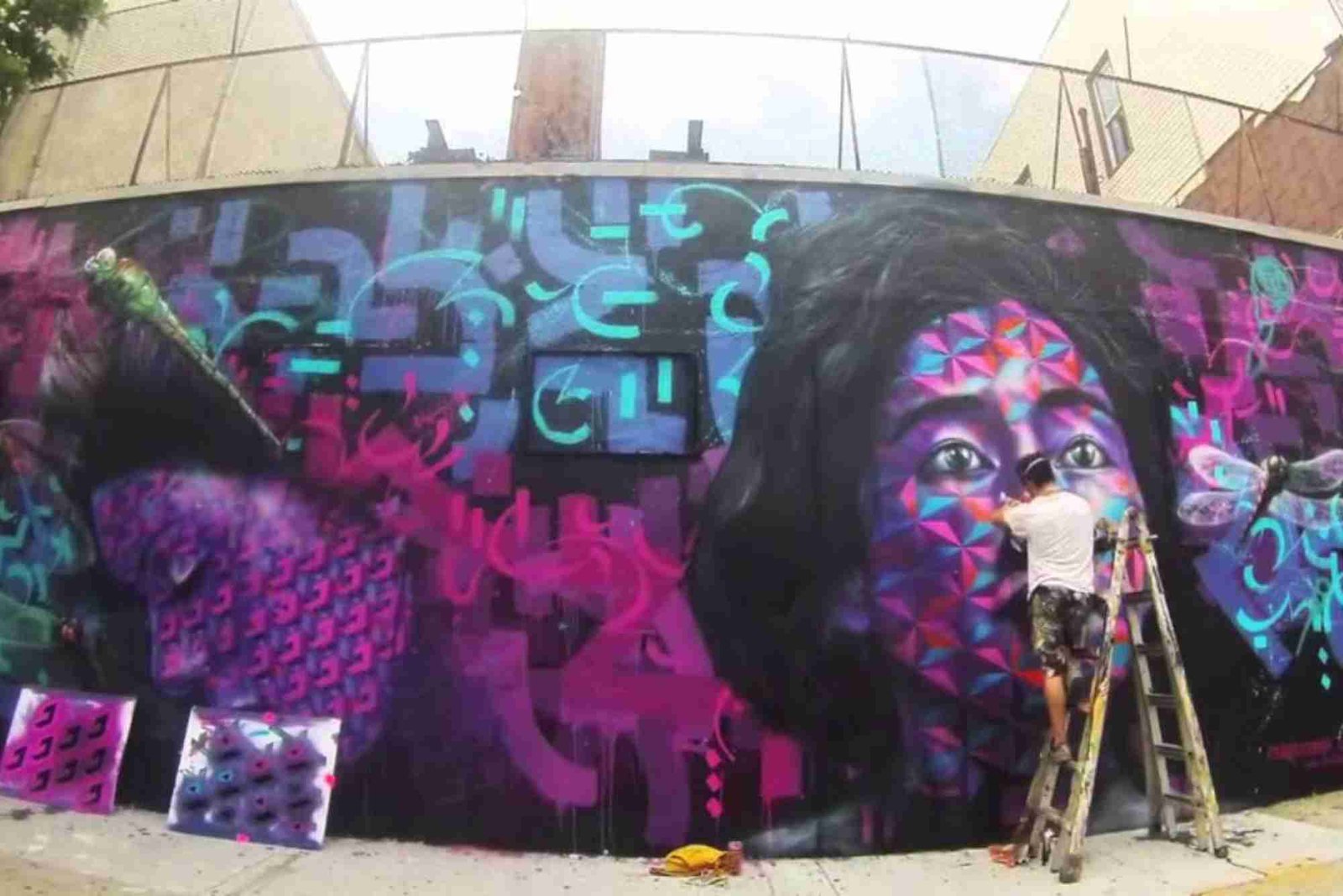
Street art has evolved far beyond simple expressions of rebellion. Today, it serves as a powerful medium to communicate ideas, tell stories, and beautify urban spaces. From sprawling murals to intricate graffiti, street art captivates audiences and reflects cultural and social narratives. Understanding the messages behind these creations offers insight into society, history, and the human experience. In this article, we explore street art, its forms, its purpose, and its lasting impact.
Understanding Street Art
Street art encompasses a broad range of artistic expressions created in public spaces. Unlike traditional art confined to galleries, street art is accessible, immediate, and often provocative. Its visibility makes it a platform for artists to challenge norms, raise awareness, and engage communities.
What Defines Street Art?
Street art is often visual, created outdoors, and interacts with its environment. It can include murals, graffiti, stickers, stencils, and installations. While some forms are commissioned, others emerge spontaneously, reflecting personal or political statements.
Evolution of Street Art
Street art dates back decades, with graffiti gaining attention in the 1970s in cities like New York. Over time, it has shifted from subversive acts to respected cultural expressions. Cities worldwide now host festivals celebrating street art, turning public walls into galleries.
Murals: Large-Scale Messages
Murals are one of the most recognized forms of street art. These large-scale paintings transform urban spaces and carry messages that range from historical storytelling to social advocacy.
Storytelling Through Murals
Murals often reflect a community’s identity and history. For example, murals in Mexico depict revolutionary movements, while those in Detroit capture industrial heritage. By combining art with narrative, murals educate the public and honor local culture.
Social and Political Commentary
Many murals confront social issues, including inequality, racism, and climate change. Artists like Diego Rivera and modern muralists use visual storytelling to inspire dialogue and action. The scale of murals allows them to reach wide audiences, making them effective tools for awareness.
Graffiti: The Language of the Streets
Graffiti is often more controversial than murals, associated with rebellion and self-expression. It can take the form of tagging, complex lettering, or detailed street pieces.
Origins and Cultural Impact
Graffiti emerged in urban environments as a form of self-assertion and community identity. In cities like New York and Berlin, graffiti became a voice for marginalized youth. Over time, it has influenced fashion, music, and graphic design, making its mark on global culture.
Graffiti as Social Messaging
Beyond aesthetics, graffiti conveys powerful messages. Political slogans, social critiques, or reflections on urban life appear in public spaces, inviting viewers to think critically. The transient nature of graffiti adds urgency, as artworks can be painted over or removed.
The Messages Behind Street Art
Street art is rarely just decorative. It communicates messages, provokes thought, and fosters cultural conversation.
Political and Activist Messages
Many street artists focus on activism. Works opposing war, corruption, or social injustice challenge viewers to reconsider their perspectives. By placing messages in public spaces, artists reach audiences who might not encounter traditional media.
Cultural Identity and Pride
Street art celebrates cultural heritage. Murals and graffiti often reflect local traditions, language, and community pride. They serve as a visual archive, preserving stories and identities that might otherwise be overlooked.
Personal Expression and Storytelling
Individual artists often use street art to convey personal experiences. Themes like struggle, hope, love, and identity are common. By sharing their stories publicly, artists connect with audiences on emotional and human levels.
The Impact of Street Art on Urban Spaces
Street art transforms neighborhoods, turning blank walls into vibrant canvases. It can boost tourism, encourage local pride, and even reduce vandalism when used in community projects.
Revitalizing Public Spaces
Cities around the world use street art to rejuvenate areas. Murals and installations enhance aesthetics, attract visitors, and promote economic activity. The presence of art can also inspire local artists and creative communities.
Fostering Community Engagement
Street art projects often involve collaboration with residents. Workshops, guided tours, and mural festivals empower communities to participate in shaping their environment. This engagement strengthens social bonds and encourages civic pride.
Controversy and Legal Challenges
Despite its benefits, street art sometimes sparks debates about property rights, legality, and aesthetics. Uncommissioned graffiti can be considered vandalism, highlighting tensions between artistic freedom and urban regulations.
Famous Street Artists and Their Influence
Street artists have gained international recognition for their creativity and social impact.
Banksy
The anonymous British artist Banksy is known for provocative works that challenge politics, consumerism, and social norms. His art blends humor, symbolism, and critique.
Shepard Fairey
Fairey combines graphic design and activism. His “Obey” series and iconic Obama “Hope” poster demonstrate street art’s power to influence culture and politics.
Local Heroes
Many cities have local street artists who shape urban culture. Their work reflects regional identity, history, and contemporary issues, creating a dialogue between community and creativity.
How to Appreciate Street Art
Understanding street art requires more than visual observation. Engaging with its context, message, and cultural background enhances appreciation.
Explore Murals and Graffiti Tours
Guided tours in cities like Berlin, London, and São Paulo provide insight into artistic intention, history, and technique.
Support Local Artists
Purchasing prints, attending exhibitions, or following street artists online supports their work. Community projects and workshops offer opportunities for direct engagement.
Respect Public Spaces
While enjoying street art, respect the environment and local regulations. Avoid defacing or removing artworks, ensuring they remain accessible for everyone.
Street Art: Murals, Graffiti, and the Messages Behind Them in the Digital Era
Social media has amplified street art’s reach. Platforms like Instagram allow artists to share work globally, while virtual tours enable audiences to explore urban creativity remotely. Digital exposure also sparks debates on authenticity, commercialization, and preservation.
Conclusion
Street art, from murals to graffiti, carries powerful messages that reflect society, identity, and culture. It transforms urban spaces, inspires dialogue, and connects communities. Whether as a political statement, cultural celebration, or personal expression, street art continues to evolve and resonate worldwide. Explore local street art, engage with artists, and embrace the stories they tell. Your city might just be a living gallery waiting to be discovered.
Discover the street art around you. Attend local mural tours, support artists, and share the stories behind the walls. Every artwork has a message—take a moment to see it.
Balio.id – Balio.id is your go-to platform for insightful lifestyle tips, travel guides, and the latest trends. From wellness advice to inspiring destinations, Balio.id delivers content that enriches your daily life, helping you explore, relax, and live smarter. Stay updated and make every day more vibrant with Balio.id.
FAQ
What is the difference between murals and graffiti?
Murals are large, often commissioned artworks that tell stories or convey social messages. Graffiti is usually smaller, more spontaneous, and associated with self-expression or rebellion.
How does street art impact communities?
Street art revitalizes neighborhoods, fosters community pride, and sparks conversations on social and political issues.
Can street art be illegal?
Yes. Uncommissioned graffiti on private or public property without permission is considered illegal. Many cities balance regulation with commissioned projects.
Who are some famous street artists?
Banksy, Shepard Fairey, and local muralists worldwide are known for their impactful street art and cultural contributions.
How can I support street art?
Attend exhibitions, purchase prints, participate in community projects, and engage with local artists online or in-person.
Why is street art important in urban spaces?
It transforms blank walls into cultural statements, preserves stories, educates communities, and attracts tourism and creative energy.
