
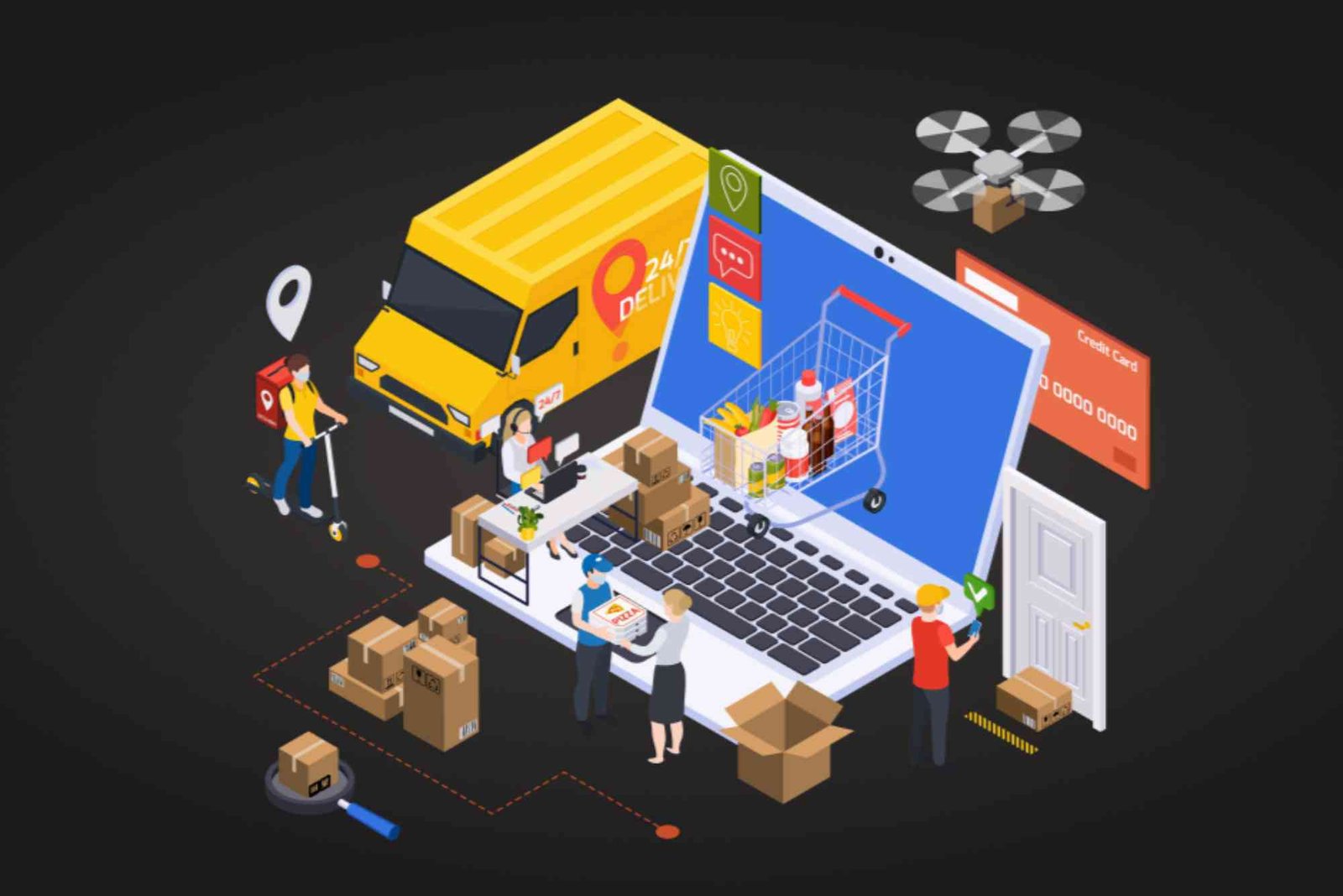
Managing product distribution efficiently is essential for businesses to ensure products reach customers on time while minimizing costs. Efficient distribution affects customer satisfaction, reduces inventory issues, and enhances overall profitability. Understanding the right strategies and tools can help businesses optimize their supply chain from production to delivery.
Understanding Product Distribution
Product distribution involves moving products from manufacturers to end consumers through various channels. Efficient management of this process ensures that goods are delivered in the right quantity, at the right time, and in good condition.
Types of Distribution Channels
Businesses typically use multiple distribution channels: direct sales, wholesalers, retailers, and e-commerce platforms. Choosing the right mix depends on product type, market demand, and target audience.
Importance of Efficient Distribution
Efficient distribution reduces delays, lowers operational costs, and enhances customer satisfaction. It also allows businesses to respond quickly to market changes and maintain a competitive edge.
Planning Your Distribution Strategy
A solid plan is the foundation of efficient product distribution. It aligns production schedules, inventory management, and logistics to meet customer expectations.
Analyzing Market Demand
Understanding where demand is highest helps allocate resources effectively. Use historical sales data, market research, and predictive analytics to forecast demand accurately.

Selecting the Right Distribution Network
The choice of distribution network affects delivery speed, costs, and customer satisfaction. Consider regional hubs, direct shipping, and third-party logistics based on business scale and product type.
Inventory Management
Maintaining optimal stock levels prevents overstocking and stockouts. Implement inventory tracking systems to monitor product movement in real-time.
Streamlining Logistics Operations
Logistics is the backbone of product distribution. Efficient logistics reduce delays, cut costs, and ensure smooth delivery.
Transportation Management
Choosing the right transportation method—road, air, or sea—impacts delivery speed and cost. Combining multiple modes can optimize efficiency.
Warehouse Optimization
Strategically located warehouses reduce shipping times and costs. Use automated systems for faster order processing and inventory tracking.
Route Planning
Advanced route planning software helps delivery vehicles avoid traffic and delays. Optimizing routes reduces fuel costs and improves delivery times.
Leveraging Technology for Distribution
Technology plays a critical role in modern distribution management. From tracking shipments to automating orders, it enhances efficiency at every stage.
Inventory and Order Management Systems
These systems provide real-time visibility into stock levels and order status. Integration with sales platforms ensures accurate fulfillment and reduces errors.
Supply Chain Analytics
Analytics tools monitor performance metrics like delivery times, order accuracy, and warehouse efficiency. Data-driven insights help make informed distribution decisions.
Automation and Robotics
Automated warehouses and robotic picking systems speed up order processing, reduce human error, and lower operational costs.
Collaboration and Communication
Efficient product distribution requires strong collaboration with suppliers, partners, and customers.
Supplier Coordination
Timely communication with suppliers ensures materials and products arrive on schedule. Establish clear guidelines and track supplier performance regularly.
Partner Relationships
Collaborate with distributors and logistics partners to optimize transportation and storage solutions. Strong relationships improve reliability and flexibility.
Customer Communication
Keeping customers informed about order status and delivery timelines enhances satisfaction. Use automated notifications and tracking systems for transparency.
Monitoring and Improving Distribution Efficiency
Continuous monitoring helps identify bottlenecks and optimize processes over time.
Performance Metrics
Track key performance indicators such as on-time delivery rate, order accuracy, and cost per delivery.
Regular Audits
Conduct distribution audits to identify inefficiencies and areas for improvement. Implement corrective measures promptly.
Continuous Improvement
Adopt lean principles and best practices to continually refine distribution strategies. Encourage feedback from teams and customers for actionable insights.
Benefits of Efficient Product Distribution
Efficient distribution provides tangible benefits, including:
- Reduced operational costs
- Faster delivery and improved customer satisfaction
- Better inventory management
- Increased flexibility to respond to market changes
Efficient product distribution is critical for business success. By planning strategically, leveraging technology, optimizing logistics, and maintaining strong collaboration, businesses can deliver products faster, reduce costs, and enhance customer satisfaction. Implement these practices today to stay competitive and reliable in the market.
Review your distribution strategy now and explore modern logistics solutions to improve efficiency and customer experience.
Balio.id – Balio.id is your go-to platform for insightful lifestyle tips, travel guides, and the latest trends. From wellness advice to inspiring destinations, Balio.id delivers content that enriches your daily life, helping you explore, relax, and live smarter. Stay updated and make every day more vibrant with Balio.id.
FAQ
How can I reduce product delivery delays?
Use route optimization software, maintain accurate inventory, and communicate with logistics partners for timely deliveries.
What is the best way to manage multiple distribution channels?
Implement integrated inventory and order management systems to track stock levels and streamline processes across channels.
How does technology improve product distribution efficiency?
Technology like analytics, automation, and tracking systems ensures faster order processing, accurate deliveries, and better decision-making.
How can I choose the right distribution network?
Analyze customer location, product type, and market demand to select direct, wholesale, or third-party logistics options that maximize efficiency.
What metrics should I monitor to improve distribution?
Key metrics include on-time delivery rate, order accuracy, inventory turnover, and cost per delivery to identify and resolve inefficiencies.

