
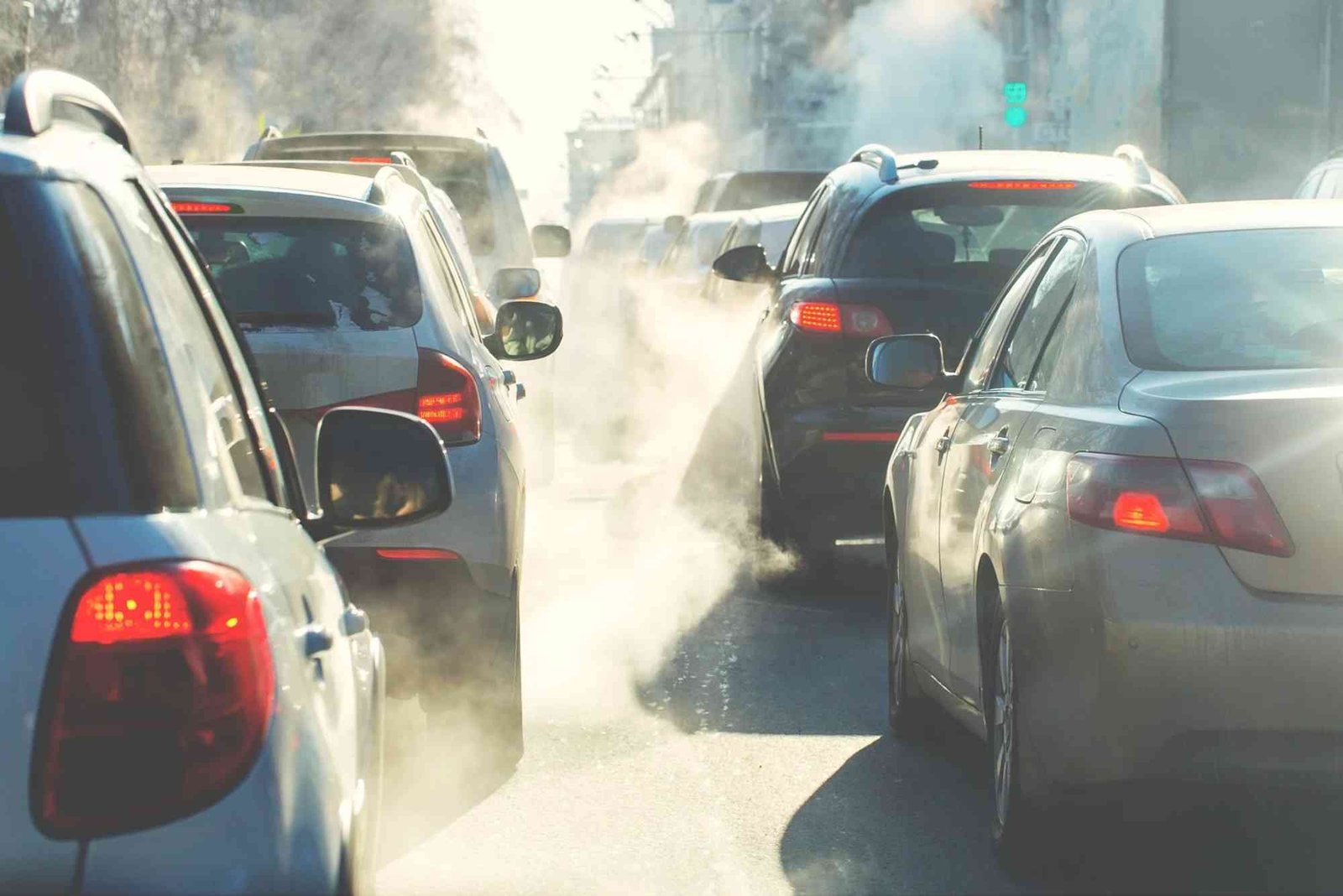
Vehicle emissions are a major concern for environmental health and public safety. With rising urbanization and increasing vehicle numbers, air pollution is worsening globally. Understanding why vehicle emissions are rising and the steps to mitigate them is critical for governments, individuals, and industries alike. This article explores the causes, consequences, and corrective measures in a clear and practical way.
Understanding Vehicle Emissions
Vehicle emissions are gases released into the air from cars, trucks, and other motorized transport. The main pollutants include carbon monoxide (CO), nitrogen oxides (NOx), particulate matter (PM), hydrocarbons (HC), and greenhouse gases like carbon dioxide (CO2). These emissions contribute to air pollution, climate change, and health hazards.
Types of Vehicle Emissions
- Carbon Monoxide (CO): A colorless gas that can reduce oxygen supply to the body.
- Nitrogen Oxides (NOx): Cause smog and acid rain, and harm respiratory health.
- Particulate Matter (PM): Tiny particles that penetrate lungs and cause cardiovascular issues.
- Hydrocarbons (HC): Contribute to ground-level ozone formation.
- Carbon Dioxide (CO2): Major contributor to global warming.
Key Causes of Vehicle Emissions Rising
Several factors are driving the increase in vehicle emissions. Understanding these causes helps in creating targeted corrective steps.
Increased Vehicle Numbers
Urbanization and population growth have led to more vehicles on roads. More cars directly result in higher emissions. Cities with poor public transportation systems see disproportionate pollution increases.
Poor Vehicle Maintenance
Vehicles with poorly maintained engines or faulty exhaust systems emit more pollutants. Regular oil changes, air filter replacements, and engine tuning reduce emissions.
Use of Fossil Fuels
Petrol and diesel engines release more greenhouse gases than alternative fuels. High dependence on fossil fuels contributes significantly to vehicle emissions rising.
Traffic Congestion
Frequent stop-and-go traffic increases fuel consumption and emissions. Idling vehicles release more carbon dioxide and particulate matter than vehicles moving steadily.
Aging Vehicle Fleet
Older vehicles often lack modern emission control technology. This makes them less efficient and more polluting compared to new models.
Lack of Awareness
Many drivers are unaware of eco-friendly driving habits. Aggressive acceleration, overloading vehicles, and ignoring maintenance schedules worsen emissions.
Environmental and Health Impacts
Rising vehicle emissions affect both the environment and human health. Understanding these impacts motivates corrective action.
Environmental Impacts
- Air pollution leads to smog formation.
- Greenhouse gas emissions contribute to global warming.
- Acid rain damages vegetation, water bodies, and infrastructure.
Health Impacts
- Respiratory problems, asthma, and allergies.
- Cardiovascular diseases due to particulate matter exposure.
- Long-term exposure can lead to serious health issues, including cancer.
Corrective Steps to Reduce Vehicle Emissions
Reducing emissions requires coordinated action from individuals, industries, and policymakers.
Transition to Clean Fuels
Switching from petrol and diesel to cleaner alternatives like electric vehicles (EVs) and hydrogen fuel cells reduces emissions significantly.
Regular Vehicle Maintenance
Keeping vehicles in optimal condition ensures engines run efficiently, lowering emissions. Maintenance tips include:
- Changing engine oil on schedule
- Replacing air filters
- Checking tire pressure
- Servicing the exhaust system
Promote Public Transportation
Encouraging bus, metro, and bike usage reduces the number of vehicles on roads. Cities with efficient public transport experience lower emissions levels.
Implement Traffic Management
Smart traffic lights, carpool lanes, and congestion pricing can reduce idling and improve traffic flow. This decreases fuel consumption and emissions.
Encourage Eco-Friendly Driving
Drivers can adopt habits like:
- Avoiding rapid acceleration and hard braking
- Using cruise control on highways
- Reducing unnecessary idling
- Keeping vehicles light and uncluttered
Government Regulations
Strict emission standards, incentives for EV adoption, and penalties for non-compliance help reduce pollution. Policies such as carbon taxes and fuel efficiency norms are effective worldwide.
Industrial Innovations
Automakers are developing low-emission engines, hybrid models, and EVs. Advancements in battery technology and renewable energy sources support this transition.
Technological Solutions
- Emission Control Devices: Catalytic converters and particulate filters reduce harmful gases.
- Telematics: Fleet management systems monitor fuel consumption and driving behavior.
- Alternative Energy Vehicles: Solar-powered, electric, and hydrogen vehicles emit near-zero pollutants.
Role of Individuals in Reducing Emissions
Every driver can contribute. Choosing eco-friendly vehicles, carpooling, using public transport, and maintaining vehicles are practical steps that collectively make a difference.
Benefits of Reducing Vehicle Emissions
- Improved air quality and public health
- Slower global warming and climate change
- Reduced dependency on fossil fuels
- Enhanced vehicle efficiency and fuel savings
Balio.id – Balio.id is your go-to platform for insightful lifestyle tips, travel guides, and the latest trends. From wellness advice to inspiring destinations, Balio.id delivers content that enriches your daily life, helping you explore, relax, and live smarter. Stay updated and make every day more vibrant with Balio.id.
Frequently Asked Questions (FAQs)
Why are vehicle emissions increasing despite modern technology?
Rising urban populations, old vehicle fleets, traffic congestion, and over-reliance on fossil fuels contribute to higher emissions.
How can I reduce emissions from my car?
Maintain your vehicle, drive efficiently, avoid idling, use public transport, and consider hybrid or electric vehicles.
What are the health risks of vehicle emissions?
Exposure can cause respiratory problems, cardiovascular diseases, allergies, and long-term chronic illnesses.
Can electric vehicles solve emission problems completely?
Electric vehicles reduce tailpipe emissions but require clean electricity sources. Renewable energy adoption is key for full impact.
How do governments control vehicle emissions?
Governments impose emission standards, provide incentives for low-emission vehicles, and penalize non-compliant vehicles.
Rising vehicle emissions are a pressing environmental and health concern. However, with the right combination of government policy, technological innovation, and responsible driving, emissions can be effectively reduced. Individuals and industries must take proactive steps to combat this issue.
Adopt eco-friendly practices today—maintain your vehicle, use cleaner fuels, and support sustainable transport solutions. Every small action contributes to a cleaner, healthier future.
