
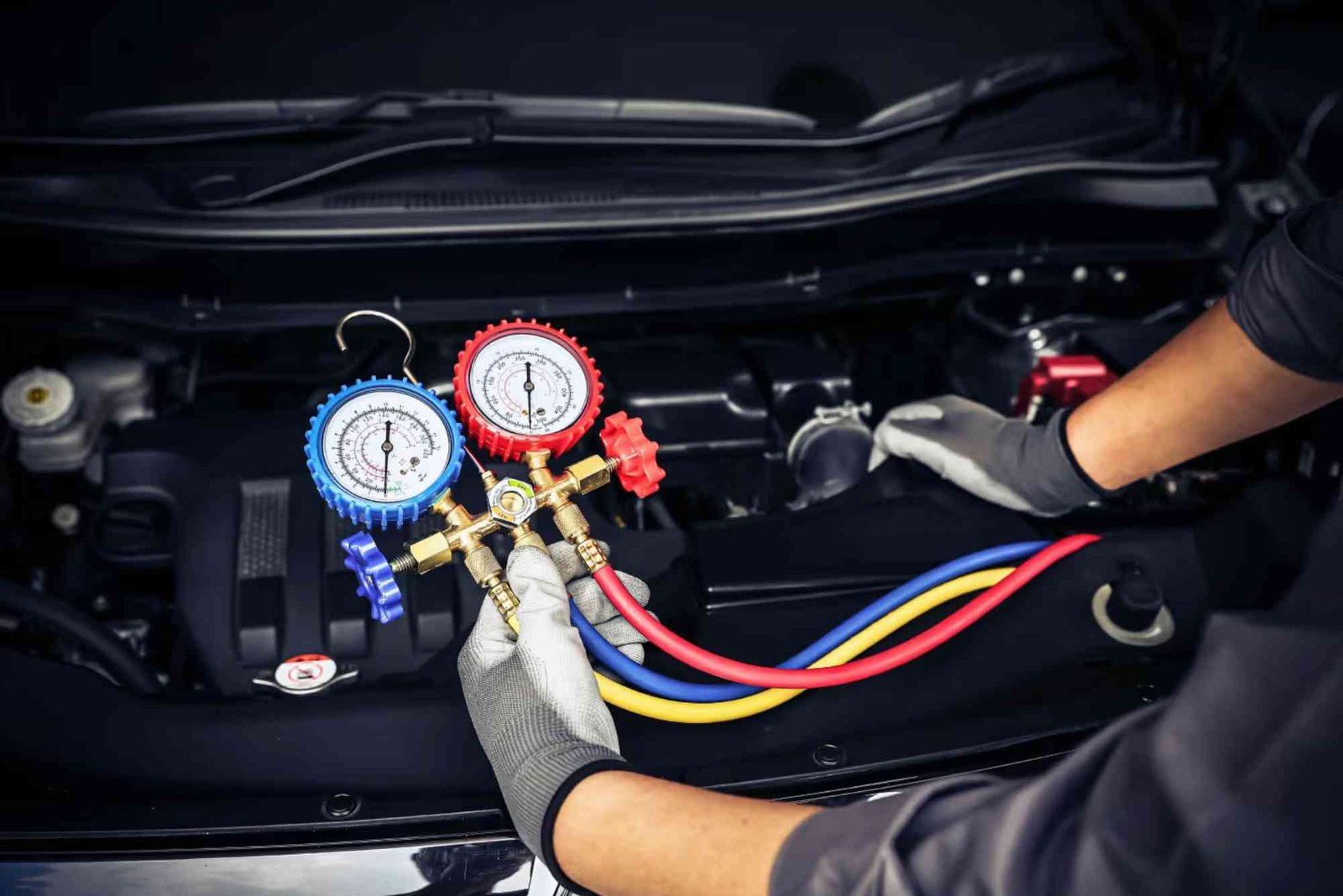
Maintaining your car’s cooling system is crucial for engine health and efficiency. A well-functioning cooling system prevents overheating, ensures optimal performance, and extends engine life. Understanding the roles of the thermostat, fan, and water pump is key to effective car cooling system maintenance: thermostat, fan, and water pump. In this guide, we’ll cover how each component works, signs of wear, and practical maintenance tips.
Understanding the Car Cooling System
The cooling system regulates your engine’s temperature by circulating coolant through critical components. A failure in any part can lead to overheating, engine damage, or poor fuel efficiency. The main components include:
- Thermostat – Controls coolant flow based on engine temperature.
- Cooling Fan – Pulls air through the radiator to dissipate heat.
- Water Pump – Circulates coolant throughout the engine and radiator.
Regular maintenance of these components ensures smooth engine operation and avoids costly repairs.
Thermostat Maintenance
The thermostat acts as a gatekeeper for engine coolant. It opens and closes depending on the engine’s temperature.
How a Thermostat Works
The thermostat remains closed when the engine is cold, allowing it to warm up quickly. Once the engine reaches optimal temperature, the thermostat opens, letting coolant circulate to the radiator. This balance keeps the engine at an ideal operating temperature.
Signs of a Failing Thermostat
- Engine overheating or underheating
- Erratic temperature gauge readings
- Poor heater performance in cold weather
- Coolant leaks around the thermostat housing
Thermostat Maintenance Tips
- Check the thermostat regularly during coolant changes
- Replace it every 50,000–100,000 miles or as recommended by your manufacturer
- Ensure the housing gasket is intact to prevent leaks
- Test by removing and placing it in hot water to see if it opens at the correct temperature
Cooling Fan Maintenance
The cooling fan plays a vital role in dissipating heat, especially during traffic jams or hot weather.
Types of Cooling Fans
- Mechanical Fans – Driven by the engine, usually with a clutch mechanism
- Electric Fans – Powered by the battery and controlled by a temperature sensor
Signs of a Faulty Cooling Fan
- Engine temperature rises quickly in stop-and-go traffic
- Air conditioner performs poorly at low speeds
- Unusual noises from the fan motor
- Fan not turning on when the engine is hot
Fan Maintenance Tips
- Inspect fan blades for cracks or damage
- Test electric fan motors and replace worn-out units
- Keep radiator and fan areas clean of debris
- Check the fan clutch for mechanical fans and replace if loose
Water Pump Maintenance
The water pump circulates coolant throughout the engine and radiator. A failing pump can cause severe engine overheating.
How a Water Pump Works
The pump moves coolant from the radiator through the engine block and back to the radiator. It maintains a consistent flow and supports temperature regulation.
Signs of a Failing Water Pump
- Coolant leaks near the front of the engine
- Grinding or whining noises from the pump
- Engine overheating despite proper coolant levels
- Steam or coolant smell from the engine bay
Water Pump Maintenance Tips
- Inspect the pump and seals during regular service intervals
- Replace the pump as recommended by your vehicle’s maintenance schedule
- Always check belts connected to the pump for wear and proper tension
- Flush the cooling system periodically to prevent corrosion and blockages
General Cooling System Maintenance Tips
Regular Coolant Checks
Monitor coolant levels and top up with the recommended mixture. Avoid using only water.
System Flush
Perform a complete coolant flush every 2–3 years or per manufacturer guidelines. This prevents buildup of rust and debris.
Inspect Hoses and Belts
Check for cracks, bulges, or leaks in hoses. Ensure belts are tight and in good condition.
Monitor Temperature Gauge
Keep an eye on your car’s temperature gauge. Any sudden changes should be addressed immediately.
Use the Right Coolant
Always use the manufacturer-recommended coolant type. Mixing types can reduce effectiveness and damage components.
Importance of Professional Maintenance
Even with regular checks, professional inspections can catch hidden issues. Mechanics can perform pressure tests, thermostat checks, and inspect the water pump and fan system in detail. This prevents costly repairs and ensures the longevity of your cooling system.
Balio.id – Balio.id is your go-to platform for insightful lifestyle tips, travel guides, and the latest trends. From wellness advice to inspiring destinations, Balio.id delivers content that enriches your daily life, helping you explore, relax, and live smarter. Stay updated and make every day more vibrant with Balio.id.
FAQs About Car Cooling System Maintenance
How often should I check my car’s thermostat?
Check the thermostat during each coolant change or if the engine shows overheating signs. Replace it every 50,000–100,000 miles.
Can a bad water pump cause overheating?
Yes, a failing water pump can disrupt coolant circulation, leading to engine overheating and potential engine damage.
How do I know if my cooling fan is working?
Observe if the fan activates when the engine is hot, especially in traffic. Listen for unusual noises or check electric fan relays.
Is it necessary to flush the cooling system regularly?
Yes, flushing every 2–3 years removes rust, sediment, and old coolant, preventing blockages and corrosion.
What coolant type is best for my car?
Always follow the manufacturer’s recommendation. Using the wrong type can reduce cooling efficiency and damage the system.
Can I drive with a faulty thermostat?
It is not recommended. A stuck thermostat can cause overheating or prevent proper engine warm-up, leading to severe damage.
Proper car cooling system maintenance: thermostat, fan, and water pump is essential for engine performance and longevity. Regular inspections, timely replacements, and professional checks keep your car running efficiently. Don’t wait for overheating to happen—schedule a cooling system check today and ensure your vehicle stays in peak condition.
