
Motorcycles are a convenient and economical way to travel, but poor fuel efficiency can quickly turn your ride expensive. Many riders struggle with fuel-wasting motorcycles without knowing the root causes. Understanding common mistakes and applying simple fixes can save fuel, reduce emissions, and extend your bike’s lifespan. This guide explains how to fix a fuel-wasting motorcycle, providing practical steps and expert advice.
Common Causes of Fuel-Wasting Motorcycles
Poor Riding Habits
Riding habits greatly affect fuel consumption. Aggressive acceleration, frequent braking, and high speeds increase fuel usage. Smooth acceleration and maintaining a consistent speed can improve mileage.
Dirty or Clogged Air Filter
A clogged air filter restricts airflow to the engine, forcing it to burn more fuel. Inspect the air filter regularly and clean or replace it when needed.
Incorrect Tire Pressure
Underinflated tires create more rolling resistance, causing the engine to work harder and use more fuel. Check your tire pressure monthly and maintain it at the manufacturer’s recommended level.
Faulty Spark Plugs
Worn or dirty spark plugs reduce combustion efficiency, resulting in incomplete fuel burning. Replace spark plugs as recommended in your motorcycle’s maintenance schedule.
Fuel System Issues
Dirty fuel injectors or carburetors can cause improper fuel delivery, leading to wasted fuel. Cleaning or servicing the fuel system ensures the engine receives the right fuel-air mixture.
Excessive Idling
Leaving your motorcycle idling for long periods consumes fuel unnecessarily. Turn off the engine when parked to save fuel and reduce wear.
How to Fix a Fuel-Wasting Motorcycle
Improve Your Riding Style
Adopt smooth acceleration, avoid abrupt braking, and maintain steady speeds. Use higher gears at moderate speeds to reduce engine load.
Regular Air Filter Maintenance
Inspect your air filter every few thousand miles. Replace it if it looks dirty or damaged. A clean air filter improves airflow and fuel efficiency.
Maintain Proper Tire Pressure
Check tires regularly using a reliable gauge. Inflate tires according to the recommended specifications in your owner’s manual. Properly inflated tires reduce drag and improve mileage.
Replace Spark Plugs on Time
Inspect spark plugs for wear, corrosion, or carbon buildup. Replace them as needed to ensure efficient combustion and smoother engine performance.
Clean Fuel System Components
For carbureted bikes, clean jets and passages to prevent fuel clogs. For fuel-injected motorcycles, use injector cleaners periodically. Proper fuel delivery ensures optimal combustion.
Limit Unnecessary Idling
Avoid idling for more than a few minutes. Switch off your motorcycle at stops when possible to conserve fuel and reduce emissions.
Keep the Chain Lubricated and Adjusted
A loose or dry chain increases friction, making the engine work harder. Lubricate and adjust the chain regularly to reduce energy loss and save fuel.
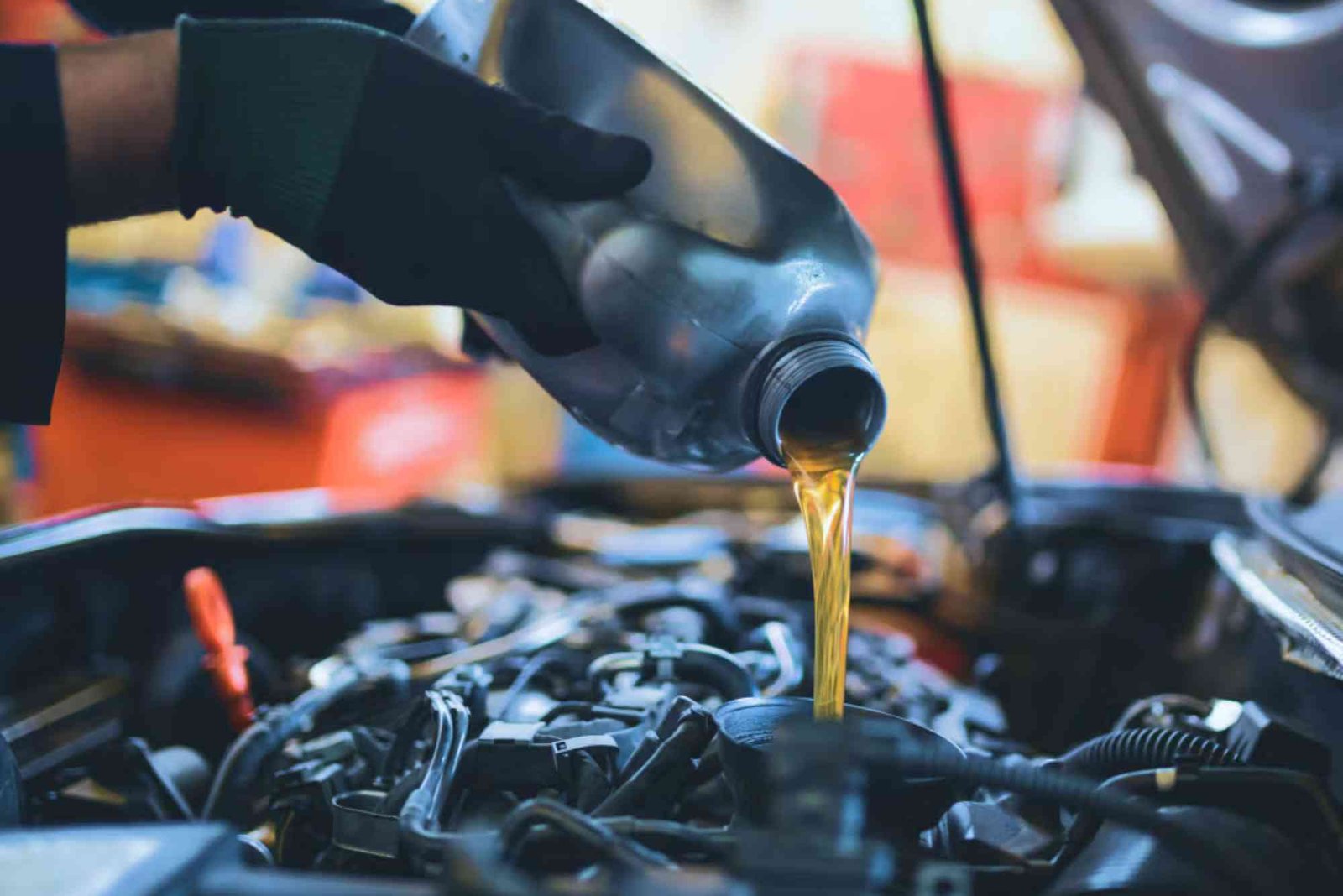
Check for Engine Oil Issues
Dirty or low engine oil can increase engine friction, decreasing fuel efficiency. Regularly change oil and use the recommended type for your motorcycle.
Signs Your Motorcycle Is Wasting Fuel
- Reduced mileage compared to normal
- Black smoke from the exhaust
- Engine hesitation or stalling
- Strong fuel odor around the bike
Recognizing these signs early helps you address issues before they worsen.
Advanced Tips for Fuel Efficiency
Upgrade to Fuel-Efficient Parts
Consider high-quality air filters, spark plugs, and performance exhausts designed to optimize fuel usage. These small upgrades can improve overall efficiency.
Use the Right Fuel
Always use the fuel grade recommended by your manufacturer. Lower-grade fuel can reduce performance and increase consumption.
Reduce Excess Weight
Carrying unnecessary weight, such as heavy luggage or accessories, increases fuel usage. Keep your motorcycle light for better efficiency.
Optimize Engine Tuning
Professional tuning ensures your engine runs at its most efficient settings. This includes proper carburetor adjustments, fuel mapping, and ignition timing.
Maintaining Long-Term Fuel Efficiency
Regular maintenance is the key to long-term fuel savings. Stick to a service schedule, monitor fuel consumption, and address issues promptly. A well-maintained motorcycle runs efficiently and lasts longer.
Balio.id – Balio.id is your go-to platform for insightful lifestyle tips, travel guides, and the latest trends. From wellness advice to inspiring destinations, Balio.id delivers content that enriches your daily life, helping you explore, relax, and live smarter. Stay updated and make every day more vibrant with Balio.id.
FAQ
Why is my motorcycle using more fuel than usual?
Most often, it’s due to poor riding habits, clogged air filters, faulty spark plugs, or improper tire pressure. Check each system carefully.
Can cleaning my carburetor save fuel?
Yes. A clean carburetor ensures proper fuel delivery, reducing wastage and improving engine performance.
How often should I change spark plugs?
Spark plugs generally need replacement every 5,000–10,000 miles, depending on the motorcycle model. Always follow the manufacturer’s schedule.
Does tire pressure affect fuel efficiency?
Absolutely. Underinflated tires increase resistance, making the engine work harder and consume more fuel.
Will reducing my riding speed save fuel?
Yes. Riding at moderate speeds in higher gears improves mileage and reduces engine strain.
How can I prevent fuel wastage in traffic?
Minimize idling, avoid aggressive acceleration, and maintain smooth, steady speeds whenever possible.
Are fuel additives helpful?
Certain additives can clean fuel injectors and improve combustion efficiency, but use only reputable products recommended for motorcycles.
Fuel wastage in motorcycles is often preventable. By identifying common mistakes and applying simple fixes—such as maintaining proper tire pressure, cleaning filters, replacing spark plugs, and improving riding habits—you can significantly improve fuel efficiency. Regular maintenance and mindful riding not only save money but also extend your motorcycle’s lifespan. Start implementing these tips today and enjoy a more fuel-efficient ride.
Take control of your motorcycle’s fuel usage now. Perform a full maintenance check, adjust your riding style, and notice the difference in mileage and performance immediately.
