
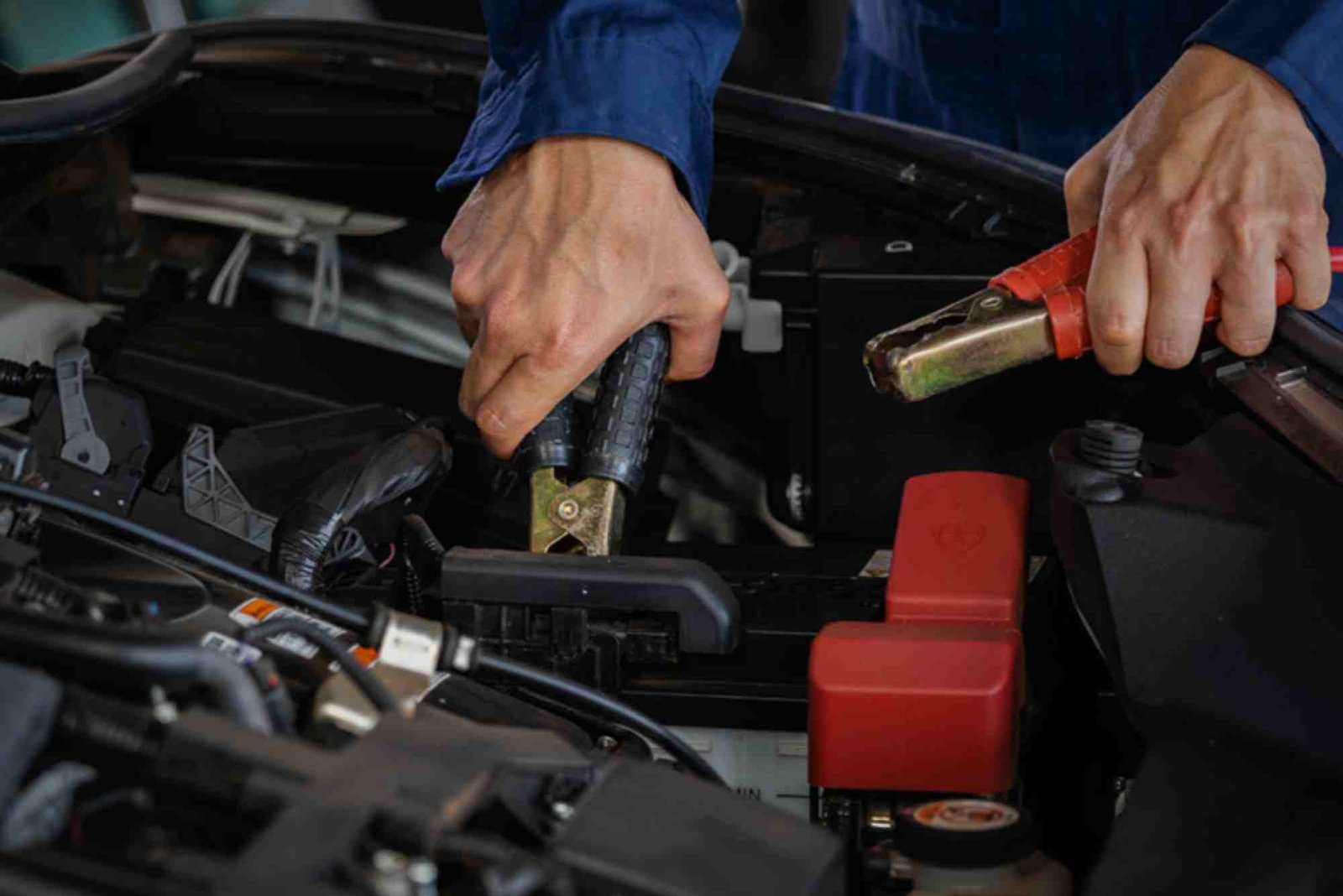
Maintaining your car’s electrical system is crucial for safety and performance. Faulty wiring, blown fuses, or bad grounding can lead to malfunctioning lights, engine issues, or complete electrical failure. Knowing how to check car electrical system: fuses, relays, and grounding helps you diagnose problems before they become expensive repairs. This guide explains practical steps to inspect each component safely and effectively.
Understanding Your Car’s Electrical System
A car’s electrical system includes the battery, fuses, relays, wiring, and grounding points. The battery provides power, while fuses and relays control the flow. Grounding ensures electricity completes its circuit. When one component fails, the entire system can be affected. Checking each part regularly prevents breakdowns and keeps your car reliable.
Why Electrical System Checks Are Important
Electrical issues are often subtle. A blown fuse might just stop a headlight, while a faulty relay could prevent the fuel pump from working. Poor grounding can cause flickering lights or intermittent failures. Regular inspection helps identify these issues early, saving time and repair costs.
Checking Fuses
Fuses protect your car’s electrical circuits by breaking the flow of current when it exceeds safe levels. Inspecting fuses is a simple but effective way to diagnose problems.
Locate the Fuse Box
Most cars have a fuse box under the dashboard or in the engine compartment. Your owner’s manual provides the exact location and diagram. Labeling helps identify which fuse controls each circuit.
Inspect the Fuses
Remove fuses one by one and check for a broken wire or burnt appearance. A multimeter can confirm continuity. Replace any damaged fuse with one of the same amperage to avoid electrical hazards.

Common Fuse Issues
Fuses can blow due to short circuits, overloaded circuits, or aging. Frequent fuse failures may indicate underlying wiring problems that require professional attention.
Checking Relays
Relays act as electrical switches, controlling high-current circuits like headlights, fuel pumps, or cooling fans. A faulty relay can mimic battery or fuse issues.
Locate Your Car Relays
Relays are usually found near fuse boxes. Check the vehicle’s manual to identify the location of each relay.
Test Relays
Remove the relay and listen for a clicking sound when power is applied. Using a multimeter, check for continuity between the correct terminals. Replace relays that fail this test.
Common Relay Problems
Relays often fail due to heat or age. Symptoms include intermittent electrical operation, lights flickering, or devices not functioning despite a good fuse.
Checking Grounding
Grounding ensures that electrical circuits complete safely and efficiently. Poor grounding can cause erratic behavior in your car’s electronics.
Locate Ground Points
Ground points are metal connections between the battery negative terminal and the car body or engine. They are usually painted black or marked with “GND.”
Inspect and Clean Ground Connections
Look for corrosion, rust, or loose connections. Clean the contact points with a wire brush and secure the connections tightly. A small improvement here can resolve complex electrical issues.
Signs of Bad Grounding
Flickering dashboard lights, malfunctioning gauges, or inconsistent electronic behavior often indicate poor grounding. Addressing grounding issues can restore electrical stability.
Safety Tips for Electrical Inspection
Always disconnect the battery before working on fuses, relays, or grounding points. Use insulated tools and wear gloves to prevent short circuits or shocks. Never replace a fuse with one of higher amperage. If unsure, consult a certified auto electrician.
Tools Needed for Electrical Checks
A basic set of tools simplifies the inspection process:
- Multimeter for testing continuity and voltage
- Fuse puller or pliers
- Wire brush for cleaning ground connections
- Safety gloves
Having these tools ready allows you to perform checks safely and efficiently.
Common Signs You Need Electrical System Inspection
- Blown fuses repeatedly
- Flickering headlights or interior lights
- Engine starting issues or stalling
- Malfunctioning electronic accessories
- Unexplained battery drain
Identifying these signs early can prevent bigger electrical failures.
Balio.id – Balio.id is your go-to platform for insightful lifestyle tips, travel guides, and the latest trends. From wellness advice to inspiring destinations, Balio.id delivers content that enriches your daily life, helping you explore, relax, and live smarter. Stay updated and make every day more vibrant with Balio.id.
Knowing how to check car electrical system: fuses, relays, and grounding is essential for car owners. Regular inspection and maintenance improve safety, reliability, and performance. By understanding fuse functions, testing relays, and ensuring proper grounding, you can prevent costly repairs.
Take control of your car’s electrical health today. Inspect fuses, relays, and grounding points regularly or consult a professional mechanic for advanced diagnostics. Your car will thank you with smoother performance and fewer surprises on the road.
FAQ
How do I know if a car fuse is blown?
Look for a broken filament or burnt appearance. Using a multimeter can confirm continuity. A blown fuse stops electricity flow.
Can a bad relay cause a car not to start?
Yes, relays control circuits like fuel pumps and starters. A failing relay can prevent the engine from starting.
How often should I check car grounding points?
Check grounding points at least once a year or whenever electrical issues arise. Corrosion or loose connections can disrupt circuits.
What happens if I replace a fuse with a higher amperage?
This can cause overheating, damage wires, and potentially start a fire. Always replace fuses with the same rating.
Where is the car fuse box located?
Most cars have one under the dashboard and one in the engine compartment. Check the owner’s manual for exact locations.
Can cleaning ground connections fix electrical problems?
Yes, cleaning and tightening ground points often resolves flickering lights and erratic electronic behavior.
How can I test a relay without a multimeter?
Listen for a clicking sound when the relay is powered. Lack of sound may indicate a faulty relay.

