
Introduction
Understanding How NFC Technology Works and Its Uses helps you see why it powers contactless payments and smart devices. Near Field Communication, or NFC, is a short-range wireless technology. It allows devices to share data when placed close together. Today, NFC is everywhere, from mobile payments to smart homes. This guide explains How NFC Technology Works and Its Uses in simple terms. You will learn how it functions, where it is used, and why it matters.
What Is NFC Technology
NFC stands for Near Field Communication. It is a wireless technology for short distances. Devices must be within a few centimeters to connect. This limited range improves both security and speed. NFC builds on RFID technology but offers two-way communication. As a result, smartphones and smart cards can exchange data instantly.
When discussing How NFC Technology Works and Its Uses, it is important to know that NFC requires very little power. Some NFC tags do not need batteries. They draw energy from the device that reads them. This makes NFC efficient and easy to use.
Key Features of NFC
NFC operates at 13.56 MHz frequency. It supports fast, secure data exchange. Most smartphones today include NFC chips. Brands like Apple, Google, and Samsung use NFC in their devices. These chips enable contactless payments, pairing, and automation. NFC works in three modes: reader mode, peer-to-peer mode, and card emulation mode. Each mode supports different tasks.
How NFC Technology Works
To understand How NFC Technology Works and Its Uses, you must first see how two devices connect. NFC works through electromagnetic fields. One device generates a radio signal. The other device detects and responds. Because of the short range, communication is secure and fast.
Reader and Tag Interaction
In reader mode, a device scans an NFC tag. The tag stores small data, like a URL or ID. When scanned, the device reads this information instantly. NFC tags are often used in posters or product labels. For example, tapping a phone on a tag can open a website.
Peer-to-Peer Communication
Peer-to-peer mode allows two devices to share data. Smartphones can exchange contacts or photos. This method is less common now. Still, it shows how flexible NFC can be. Many early Android devices used this feature for quick sharing.
Card Emulation Mode
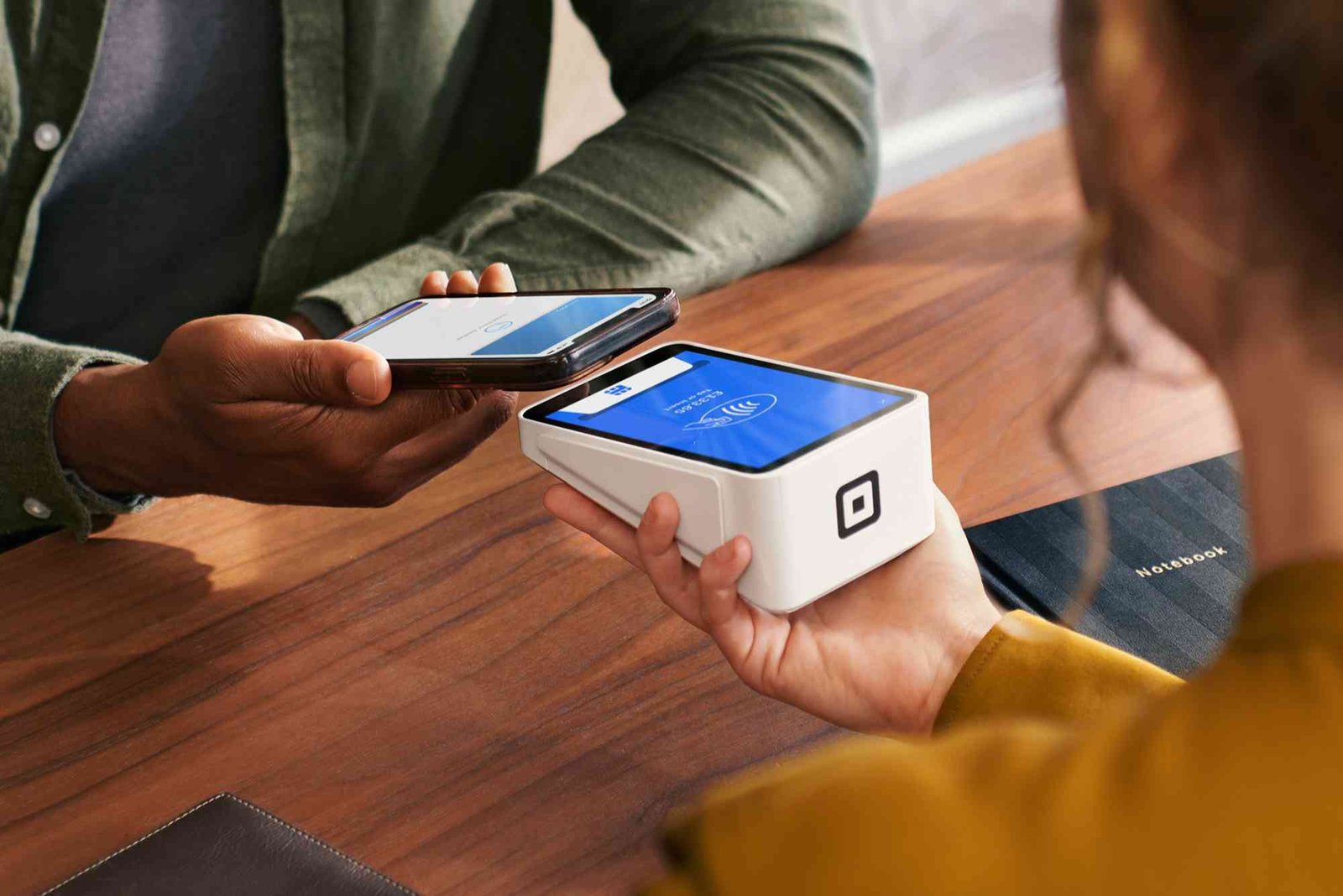
Card emulation mode is the most popular use. It allows a phone to act like a contactless card. This is how mobile payments work. When you tap your phone at a terminal, it sends payment data securely. This mode supports transit passes, tickets, and access cards.
How NFC Technology Works and Its Uses in Daily Life
NFC is now part of everyday technology. Many people use it without noticing. From payments to smart homes, NFC simplifies tasks. Understanding How NFC Technology Works and Its Uses shows how this small chip makes life easier.
Contactless Payments
Mobile payments are the most common NFC use. Services like Apple Pay and Google Pay rely on NFC. You can tap your phone at a payment terminal. The transaction completes in seconds. This method is faster than cash or cards. It is also secure because data is encrypted.
Public Transport and Tickets
Many cities use NFC for transport systems. You can tap a phone or card to enter. This reduces wait times and improves convenience. Event tickets also use NFC. Concert or sports tickets can be stored on phones. A simple tap verifies entry.
Access Control and Security
Offices and hotels use NFC for access control. Employees tap cards or phones to enter. Hotels offer digital room keys through NFC. This reduces the need for physical keys. It also improves security and tracking.
Smart Homes and Automation
NFC helps automate daily tasks. You can place NFC tags around your home. Tapping a tag can turn on lights or Wi-Fi. It can also launch apps or set alarms. This makes home automation simple and affordable.
Device Pairing and Data Transfer
NFC speeds up device pairing. For example, tapping a phone on headphones connects them. Bluetooth pairing becomes instant. Cameras and speakers also use NFC for quick setup. This saves time and reduces steps.
Advantages of NFC Technology
When exploring How NFC Technology Works and Its Uses, it is clear why NFC is popular. It offers many benefits over other wireless methods.
Convenience and Speed
NFC connections happen instantly. There is no need to search for devices. A simple tap completes the action. This speed improves user experience. It also reduces errors during transactions.
Strong Security
NFC works at very short distances. This reduces the risk of interception. Many systems use encryption and tokenization. Payment data stays protected. Users feel safer using NFC payments.
Low Power Consumption
NFC uses minimal power. Some tags need no battery at all. This makes NFC ideal for small devices. It also supports eco-friendly technology.
Wide Compatibility
Most modern smartphones support NFC. Payment terminals and transit systems also use it. Because of this, NFC adoption continues to grow worldwide.
Limitations of NFC Technology
Although NFC is useful, it has limits. Understanding these limits helps explain How NFC Technology Works and Its Uses fully.
Short Range Only
NFC works within a few centimeters. This improves security but limits flexibility. It cannot replace Wi-Fi or Bluetooth for long distances. Users must tap devices closely.
Data Transfer Speed
NFC is not built for large files. Its speed is slower than Bluetooth or Wi-Fi. Therefore, it is best for small data transfers. Payments and quick commands work well.
Device Compatibility Issues
Older devices may not support NFC. Some budget phones lack NFC chips. This can limit usage in certain regions.
Future of NFC Technology
The future of NFC looks promising. More devices are adding NFC chips. Smart cities and IoT systems rely on it. As technology improves, NFC will support more tasks. Understanding How NFC Technology Works and Its Uses helps you prepare for this growth.
Integration with IoT
NFC will play a key role in IoT devices. Smart appliances can use NFC for setup. Users can tap to connect and control devices. This simplifies smart home systems.
Digital Identity and Security
Governments and companies are exploring digital IDs. NFC can store and verify identity data. This may replace physical cards in the future. Secure authentication will become easier.
Retail and Marketing
Retailers use NFC for customer engagement. Smart posters and packaging can share information. Tapping a product can show reviews or offers. This improves shopping experiences.
Growth of Contactless Systems
Contactless systems are expanding globally. More businesses accept NFC payments. Transit systems and offices use NFC access. This trend will continue as users demand convenience.
How Businesses Use NFC Technology
Businesses benefit from NFC in many ways. It improves efficiency and customer experience. Understanding How NFC Technology Works and Its Uses helps companies adopt it effectively.
Marketing Campaigns
Brands use NFC tags in ads and packaging. Customers tap to learn more. This increases engagement and sales. It also provides valuable data.
Inventory and Asset Tracking
NFC tags help track products and equipment. Employees can scan items quickly. This improves accuracy and saves time.
Customer Loyalty Programs
Loyalty programs can use NFC cards or phones. Customers tap to earn points. This makes rewards systems easier to manage.
Security in NFC Technology
Security is a major part of How NFC Technology Works and Its Uses. NFC includes several protection measures. Encryption keeps data safe. Tokenization replaces card details with secure codes. Short range limits unwanted access. Users should still protect devices with passwords. This adds another layer of safety.
Organizations like the NFC Forum set standards for secure NFC use. These standards ensure compatibility and safety across devices. As adoption grows, security continues to improve.
Now you understand How NFC Technology Works and Its Uses and why it matters today. NFC makes everyday tasks faster and safer. It powers payments, access systems, and smart devices. Its convenience and security drive global adoption. As technology evolves, NFC will become even more important.
If you want to stay ahead in tech, explore NFC features on your devices. Try contactless payments or smart tags at home. Businesses should consider NFC for customer engagement. Start using NFC today and experience its benefits firsthand.
Artificial Intelligence Technology in the Retail Industry is transforming how businesses understand customers and manage operations. From personalized product recommendations and smart inventory tracking to AI chatbots and predictive analytics, retailers can enhance customer experiences while improving efficiency. AI-driven insights help brands forecast demand, optimize pricing, and deliver seamless online and in-store shopping journeys that boost loyalty and sales in a competitive market.
FAQs
What is NFC and how does it work
NFC is a short-range wireless technology. It allows devices to exchange data when close together. It uses electromagnetic fields for communication.
Is NFC safe for payments
Yes, NFC payments are secure. They use encryption and tokenization. The short range also limits risk.
Do all smartphones support NFC
Most modern smartphones support NFC. Some budget models may not include it. Check device settings to confirm.
Can NFC work without internet
Yes, NFC works without internet. It connects devices directly. Some services may still require online access.
What are common uses of NFC
NFC is used for payments, tickets, access cards, and pairing devices. It also supports smart home automation and marketing.
