
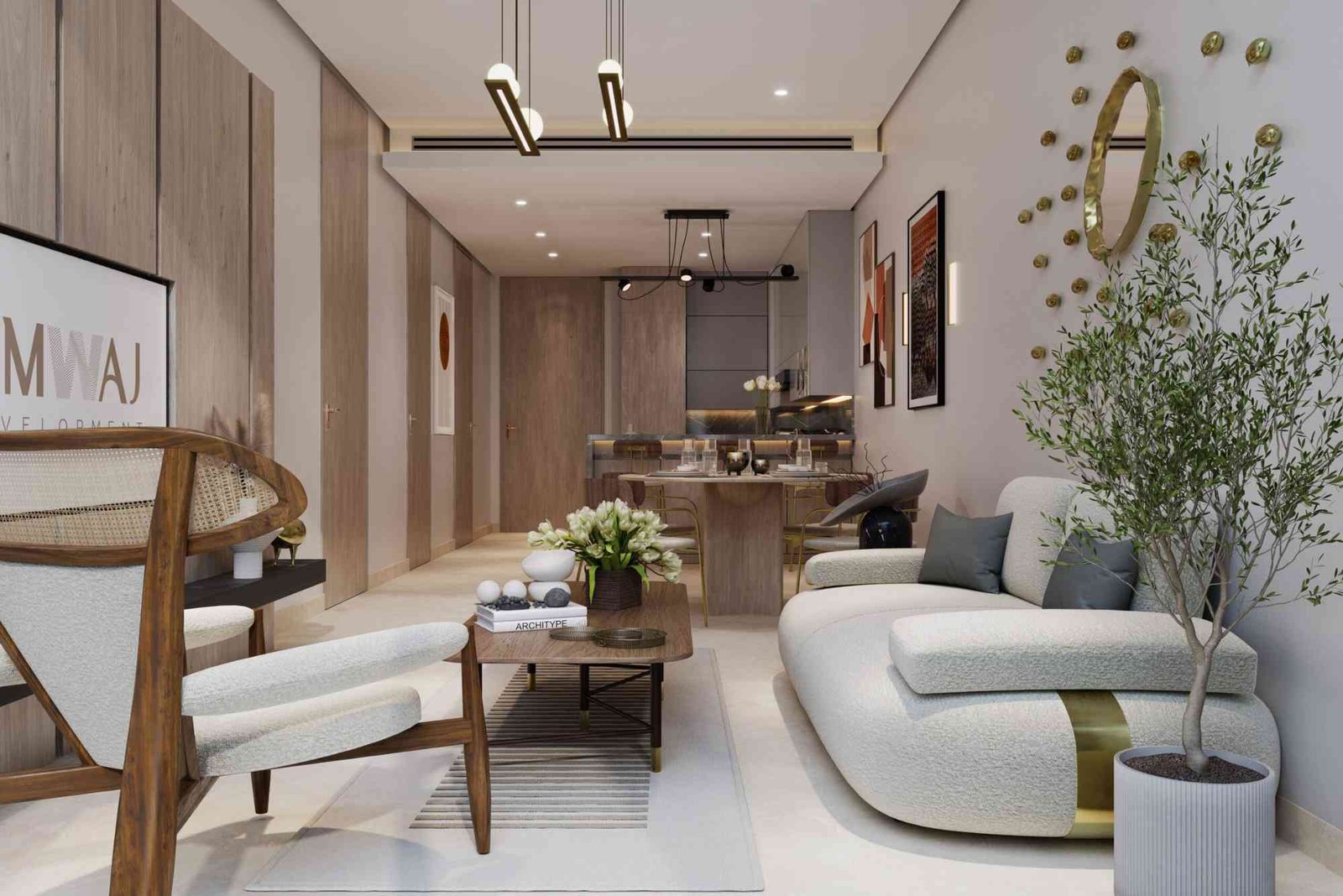
The real estate sector has witnessed a remarkable transformation over the last decade, especially in the premium segment. The growth of premium real estate projects has not only reshaped city skylines but also changed how investors, developers, and homeowners perceive real estate value. These developments reflect an increasing demand for exclusivity, luxury, and state-of-the-art amenities. Understanding this trend is essential for anyone looking to invest, develop, or live in high-end properties. The growth of premium real estate projects is a story of rising expectations, strategic planning, and evolving urban landscapes.
Drivers Behind the Growth of Premium Real Estate Projects
The surge in premium real estate projects can be attributed to several economic and social factors. As economies grow and disposable incomes rise, the demand for luxury living increases. Affluent buyers seek properties that not only provide comfort but also status, privacy, and convenience. Cities worldwide are witnessing a rise in high-end residential towers, exclusive gated communities, and mixed-use developments. Developers are responding to this demand by offering sophisticated designs, advanced technology, and premium lifestyle amenities, driving the overall growth of premium real estate projects.
Changing Preferences of Modern Homebuyers
Modern homebuyers are no longer satisfied with basic living spaces. The growth of premium real estate projects reflects this shift toward smart homes, eco-friendly designs, and wellness-oriented amenities. Buyers increasingly prefer properties with advanced security systems, sustainable construction, and wellness facilities such as gyms, spas, and rooftop gardens. The inclusion of concierge services, private pools, and dedicated entertainment areas has become a standard expectation in premium projects. These features contribute to a higher perceived value, making luxury properties highly sought after in the real estate market.
Role of Urbanization in Premium Real Estate Expansion
Urbanization plays a crucial role in the growth of premium real estate projects. As cities expand, the demand for centrally located, high-quality properties rises. Urban professionals and entrepreneurs seek residences close to business hubs, shopping districts, and cultural landmarks. This has encouraged developers to focus on premium apartments and mixed-use projects in prime city locations. The convenience of accessibility combined with luxury living drives the success of these ventures. The growth of premium real estate projects is often concentrated in metropolitan areas where infrastructure development and lifestyle offerings are rapidly improving.
Impact of Technological Innovation
Technology is a key factor fueling the growth of premium real estate projects. Smart home systems, energy-efficient solutions, and integrated automation have transformed luxury properties into intelligent living spaces. From remote-controlled lighting and climate systems to high-speed internet and home security, technology enhances comfort and convenience for residents. Developers are leveraging digital tools to design virtual property tours, streamline construction processes, and manage facilities efficiently. The integration of technology in premium real estate ensures that these projects meet the expectations of tech-savvy buyers, driving further growth in the sector.
Economic Factors Influencing Premium Real Estate
The real estate market is closely linked to economic conditions, and premium segments are no exception. Rising employment rates, increased foreign investments, and favorable interest rates create a conducive environment for high-end property development. Investors see premium real estate projects as stable assets with the potential for long-term appreciation. The growth of premium real estate projects is supported by this economic confidence, attracting both domestic and international buyers. Additionally, government incentives and urban development policies often encourage investment in luxury properties, contributing to sustained growth.

Architectural Trends Shaping Premium Real Estate
Modern architecture plays a pivotal role in attracting buyers to premium real estate projects. Developers are embracing innovative designs, using sustainable materials, and prioritizing aesthetic appeal alongside functionality. The integration of open spaces, natural light, and panoramic views enhances the living experience, while creative layouts cater to diverse lifestyles. The growth of premium real estate projects is closely linked to such architectural sophistication, which distinguishes luxury properties from standard developments. Buyers increasingly value unique, high-quality designs that reflect their personal tastes and elevate their lifestyle.
Sustainability and Green Living in Luxury Projects
Sustainability is no longer optional in premium real estate; it is a key selling point. Eco-conscious buyers are looking for green buildings with energy-efficient systems, waste reduction measures, and sustainable materials. Developers incorporate solar panels, rainwater harvesting, and smart energy management systems to meet these expectations. Green certifications and environmentally friendly designs enhance the appeal of luxury properties. The growth of premium real estate projects increasingly emphasizes sustainability, ensuring that high-end developments are aligned with global trends and environmental responsibilities.
Marketing and Brand Positioning in Premium Real Estate
Effective marketing strategies have been instrumental in the growth of premium real estate projects. Developers focus on brand positioning, highlighting exclusivity, quality, and lifestyle advantages. Luxury real estate marketing often leverages digital platforms, immersive virtual tours, and social media campaigns to reach affluent buyers. High-end launches are promoted through curated events and targeted advertising, creating a sense of prestige and urgency. The growth of premium real estate projects is closely linked to how developers communicate value, differentiate their offerings, and establish trust with potential buyers.
Investment Potential of Premium Real Estate
Investing in premium real estate is often viewed as a secure and profitable opportunity. Luxury properties tend to appreciate faster than standard real estate due to limited supply, strategic locations, and high demand. Investors are drawn to projects offering long-term returns, rental income potential, and lifestyle advantages. The growth of premium real estate projects attracts both local investors seeking status properties and international buyers looking for safe investments. Strong market demand combined with quality construction ensures that premium real estate remains a preferred choice for wealth creation and portfolio diversification.
Challenges in the Premium Real Estate Market
Despite its growth, the premium real estate sector faces challenges. High construction costs, fluctuating economic conditions, and regulatory changes can affect project timelines and profitability. Market saturation in certain cities may also slow growth if supply exceeds demand. Developers must carefully analyze location, pricing, and amenities to maintain the attractiveness of premium projects. However, innovation, strategic planning, and understanding buyer preferences often mitigate these challenges. The growth of premium real estate projects continues as long as developers adapt to evolving market trends and maintain high standards.
Future Outlook for Premium Real Estate Projects
The future of premium real estate projects looks promising. As urbanization continues, disposable incomes rise, and lifestyle expectations evolve, the demand for high-quality properties will grow. Developers are expected to focus on sustainable designs, smart home technology, and personalized experiences. International investors are likely to show greater interest, further boosting market growth. The integration of innovation, convenience, and luxury ensures that premium real estate projects remain a cornerstone of the real estate industry. The growth of premium real estate projects is expected to continue steadily, transforming urban living and investment landscapes.
The growth of premium real estate projects represents a blend of luxury, innovation, and strategic investment. Understanding the drivers, trends, and challenges of this market is crucial for buyers, investors, and developers. As urban living evolves, high-end properties offer unmatched lifestyle experiences and long-term financial benefits. Whether you are seeking your dream home or a lucrative investment, exploring premium real estate projects can open doors to unique opportunities. Take the first step today and discover how premium real estate can elevate your lifestyle and investment portfolio.
Discover the latest home interior design trends for this year that combine style, comfort, and functionality. From minimalist aesthetics to bold statement pieces, these trends help you refresh your living space effortlessly. Stay inspired and create a home that reflects your personality. Explore more insights here: This Year’s Home Interior Design Trends.
FAQs
What is driving the growth of premium real estate projects?
The growth is driven by rising incomes, urbanization, technological innovations, and increasing demand for luxury lifestyles.
Are premium real estate projects a good investment?
Yes, they often provide long-term appreciation, rental potential, and exclusive lifestyle advantages.
How do modern trends influence premium real estate development?
Modern trends such as smart homes, sustainable designs, and wellness amenities shape buyer expectations and project designs.
Which cities are seeing the most growth in luxury real estate?
Metropolitan cities with strong economic growth, infrastructure development, and business hubs are leading in premium real estate expansion.
What challenges do developers face in premium real estate?
High construction costs, economic fluctuations, regulatory hurdles, and market saturation are primary challenges.

