
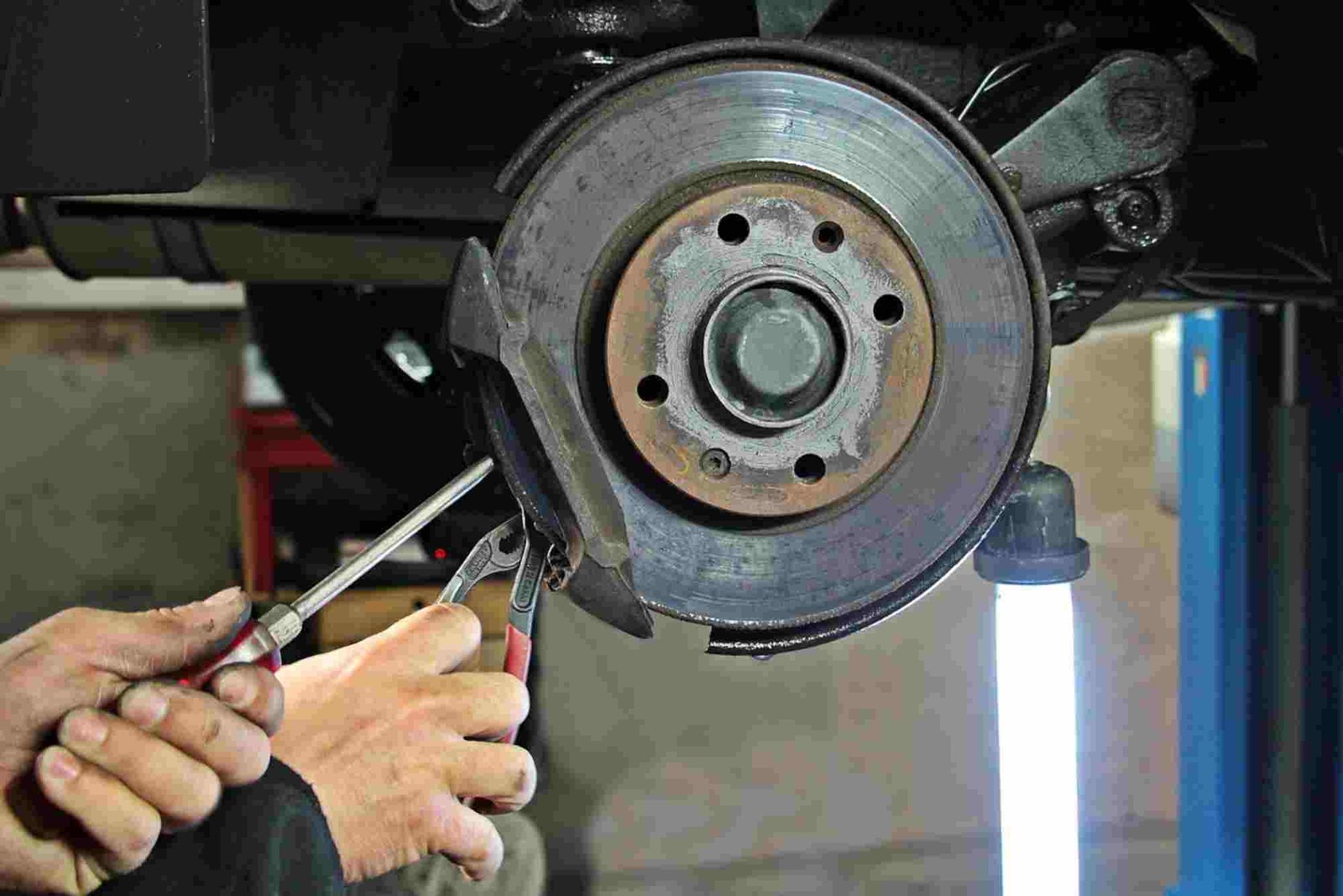
Brakes are the most critical safety feature of any vehicle. Knowing how to check car brakes: pads, brake fluid, and danger signs can save lives and prevent costly repairs. Regular brake inspection ensures your car responds properly in emergencies and avoids unexpected failures. This guide will help you understand brake components, spot issues early, and maintain your vehicle effectively.
Understanding Car Brakes
Before checking brakes, it’s essential to know the main components and their functions. Brakes work by creating friction to slow or stop your car.
Brake Pads
Brake pads press against the brake rotors to create friction. They wear out over time and must be replaced periodically. Thin or damaged pads can reduce braking efficiency and cause damage to other components.
Brake Fluid
Brake fluid transmits the force from your foot on the pedal to the braking mechanism. Low or contaminated brake fluid can cause brake failure. Always use the type recommended by your car manufacturer.
Rotors and Drums
Rotors (on disc brakes) and drums (on drum brakes) work with pads to stop the car. Warped rotors or worn drums can cause vibrations, noise, or reduced braking performance.
Step-by-Step Guide: How to Check Car Brakes
Checking your brakes involves visual inspection, listening for signs, and monitoring performance.

Inspecting Brake Pads
Start by removing the wheel if possible. Check the thickness of the brake pads. Most pads have a wear indicator; if the pad is less than a quarter-inch thick, replacement is necessary. Look for uneven wear or cracks, which may indicate rotor issues or improper installation.
Checking Brake Fluid
Locate the brake fluid reservoir under the hood. Ensure the fluid is between the minimum and maximum marks. Check the color; healthy brake fluid is clear or light amber. Dark or cloudy fluid may indicate contamination and needs replacement.
Observing Brake Performance
While driving, notice if the car pulls to one side when braking, if the pedal feels soft or spongy, or if braking takes longer than usual. These are warning signs that brakes need attention.
Listening for Unusual Sounds
Squealing, grinding, or clicking noises while braking often indicate worn pads, rotor damage, or loose components. Never ignore unusual brake noises.
Checking Brake Lines and Hoses
Inspect brake lines for leaks, cracks, or rust. Damaged hoses can cause brake fluid loss and sudden brake failure. Regular inspections help prevent accidents.
Common Danger Signs
Recognizing brake problems early can prevent accidents.
Warning Lights
Most modern cars have a brake warning light. If it illuminates, check the fluid level and pads immediately.
Vibrations
Vibrations in the pedal or steering wheel during braking may indicate warped rotors or uneven pad wear.
Pulling to One Side
If the car drifts left or right when braking, it may indicate uneven brake pad wear, air in the lines, or a stuck caliper.
Burning Smell
A strong burning smell during or after braking can indicate overheated brakes, which may cause failure.
Tips for Maintaining Brakes
Proper maintenance extends brake life and ensures safety.
Regular Inspections
Check pads and fluid every 6 months or during routine oil changes. Regular inspections prevent minor issues from becoming major problems.
Replace Worn Components
Do not delay replacing pads, rotors, or brake fluid. Timely replacement ensures safe braking performance.
Avoid Hard Braking
Gradual braking reduces wear on pads and rotors. Avoid frequent emergency stops unless necessary.
Keep Brake Fluid Clean
Flush and replace brake fluid according to your vehicle’s schedule. Contaminated fluid can reduce braking efficiency.
Learning how to check car brakes: pads, brake fluid, and danger signs is vital for every driver. Regular inspections, listening for unusual signs, and timely maintenance ensure your safety and prevent costly repairs. Take your brakes seriously — they are the key to safe driving.
Schedule a professional brake inspection today to keep your car safe and reliable.
Balio.id – Balio.id is your go-to platform for insightful lifestyle tips, travel guides, and the latest trends. From wellness advice to inspiring destinations, Balio.id delivers content that enriches your daily life, helping you explore, relax, and live smarter. Stay updated and make every day more vibrant with Balio.id.
FAQ
How often should I check my brake pads?
Check brake pads every 6 months or every 6,000 miles, whichever comes first.
What does low brake fluid mean?
Low brake fluid may indicate a leak, worn pads, or air in the brake lines. Inspect immediately.
Can I drive with worn brake pads?
Driving with worn pads is dangerous. Replace them immediately to avoid rotor damage or brake failure.
How do I know if my brakes are failing?
Watch for soft pedals, pulling to one side, squealing, grinding, or a burning smell while braking.
Should brake fluid be clear or colored?
Healthy brake fluid is clear or light amber. Dark or cloudy fluid should be replaced to maintain braking efficiency.
Can I check my brakes myself?
Yes, you can inspect pads, fluid, and listen for warning signs. However, professional inspections ensure complete safety.

