
Introduction
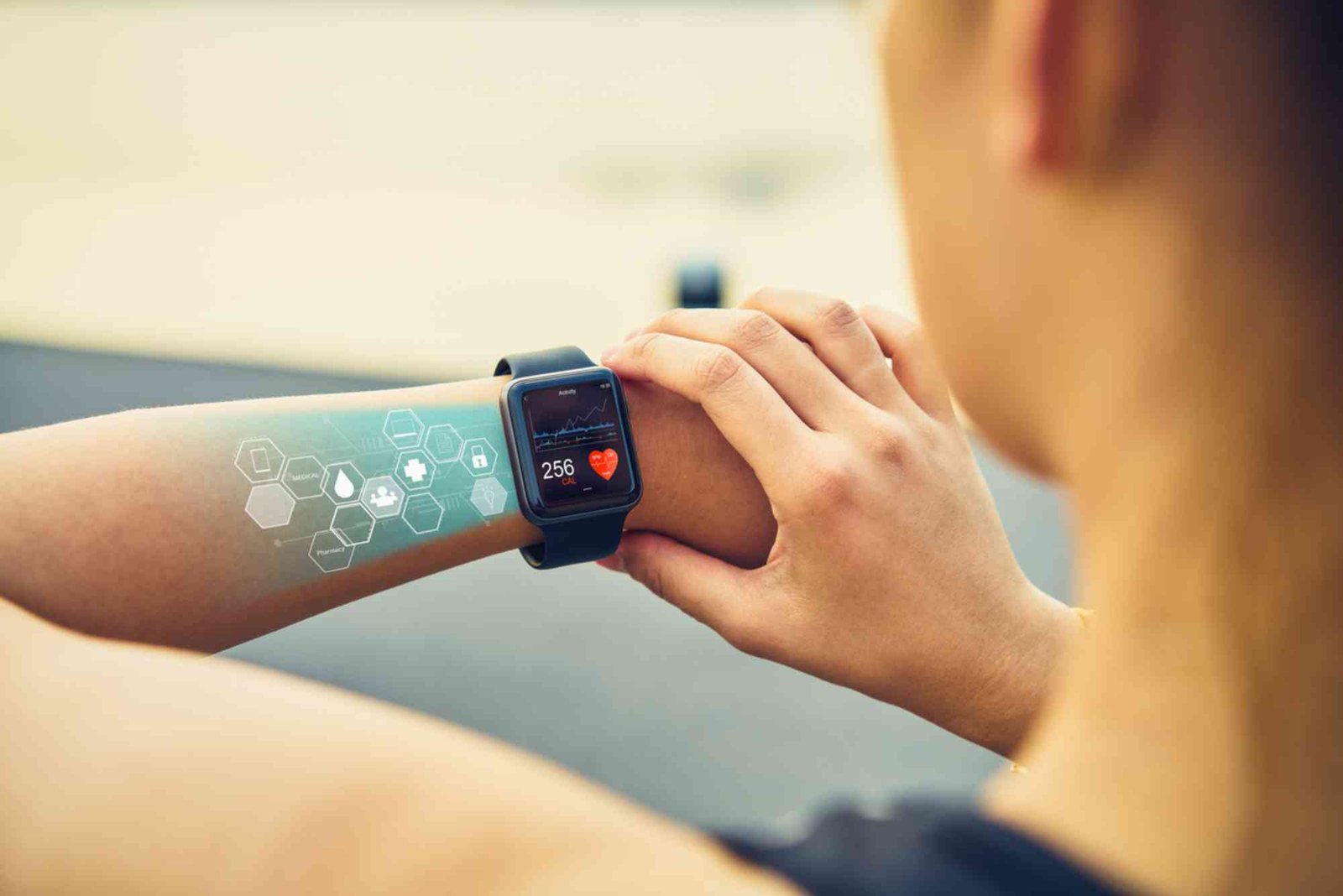
Wearable technology and its benefits are transforming how we live, work, and care for our health. Once a futuristic concept, wearables are now common. From fitness trackers on wrists to smart clothing and glasses, wearable tech is reshaping daily life. In this article, we’ll explore what wearable technology is, how it works, and why it matters. You’ll also learn practical benefits, real use cases, and how to choose the right device.
Understanding Wearable Technology
Wearable technology refers to electronic devices designed to be worn on the body. These devices collect data, deliver insights, and often connect to other systems. What makes wearables unique is their integration with everyday life. They track movement, health signals, location, and even cognitive states, often in real time.
What Defines Wearables
Wearables integrate sensors, processors, and communication tools into compact, wearable formats. Some work independently, while others sync with smartphones or cloud platforms. What they share is the ability to collect data without disrupting the wearer’s activities.
How Wearables Work
At the core, wearable technology relies on sensors and software. Accelerometers, gyroscopes, optical heart rate monitors, and GPS are typical components. These sensors capture physical or biological signals, which software then interprets and presents as insights.
Everyday Examples of Wearable Technology
Wearable technology and its benefits can be seen across multiple forms:
Smartwatches provide notifications, fitness metrics, and even phone functions.
Fitness bands focus on activity and health tracking with long battery life.
Smart clothing embeds sensors into fabrics for athletic or medical use.
Smart glasses and headsets support augmented experiences and hands‑free interaction.
Each device type offers distinct advantages, depending on the user’s needs.
Core Benefits of Wearable Technology
Wearable technology and its benefits span health, productivity, safety, and convenience. Below, we explore key areas where wearable devices offer real value.
Health and Wellness Improvement
One of the strongest use cases for wearable technology is health tracking. Devices can monitor heart rate, sleep stages, steps, and stress levels. With consistent tracking, users gain insight into habits and patterns.
Many wearables now detect irregular heart rhythms and alert users to potential issues. This early warning can prompt timely medical care. Sleep tracking helps people understand rest quality and improve sleep hygiene. In all, real‑time feedback makes wellness goals more achievable.
Enhanced Fitness Motivation
Wearables act as personal coaches. By tracking workouts, distances, and calories burned, they keep users motivated. Seeing progress motivates continued effort and makes fitness goals feel attainable.
Users benefit from guided workouts, reminders to move, and progress summaries. Wearable tech effectively creates accountability without needing a gym or trainer.
Improved Productivity and Convenience
Wearables reduce friction in daily routines. Smartwatches show messages, reminders, and schedules at a glance. Instead of pulling out a phone, quick interactions on the wrist save time.
In work settings, wearables help professionals stay organized. They streamline communication, manage tasks, and provide timely alerts. For people who work on the move, this convenience boosts efficiency.
Safety and Emergency Support
Many wearables include safety features. Fall detection and emergency SOS functions can contact services when needed. For older adults or people with health conditions, this capability brings peace of mind.
GPS tracking and location sharing improve safety for children and vulnerable adults. Wearables can send alerts if someone leaves a designated area or needs help.
Seamless Connectivity
In a connected world, wearables act as hubs. They link phones, apps, and cloud platforms. Data flows seamlessly, giving users insights wherever they are. Wearables help streamline digital ecosystems so information is where you need it, when you need it.
Wearable Technology in Healthcare
Beyond personal wellness, wearable technology and its benefits are expanding into formal healthcare.
Remote Patient Monitoring
Hospitals and clinics use wearables to track patients outside the facility. This remote patient monitoring reduces hospital visits and helps clinicians monitor chronic conditions. Devices transmit data to health professionals, enabling early intervention and personalized care.
Chronic Disease Management
Wearables help people manage diabetes, heart disease, and COPD. Glucose monitors, blood pressure monitors, and respiratory trackers collect continuous data. Patients and clinicians make better decisions with real‑time insights.
Rehabilitation and Therapy Support
Patients undergoing rehabilitation benefit from wearable trackers that monitor movement and progress. Therapists use this data to adjust therapy plans. Wearable tech supports recovery by offering precise feedback on performance and adherence.
Wearable Technology in Workplaces
Wearable technology and its benefits extend into the modern workplace.
Enhanced Productivity
Wearables help streamline tasks for employees in many industries. Smart badges can track time, log activities, and support contactless access. Wearables reduce manual steps and make workflows smoother.
Improved Safety for Workers
In industrial settings, wearables help monitor worker safety. Smart helmets and vests detect hazardous conditions, alerting workers and supervisors. This real‑time awareness prevents accidents and improves outcomes.
Collaboration and Communication
Wearables support collaboration through instant messaging and notifications. In fast‑paced environments like healthcare and logistics, quick communication enhances coordination and responsiveness.
Wearable Technology for Lifestyle and Entertainment
Wearable technology and its benefits also enrich daily life beyond work and health.
Immersive Entertainment
VR headsets and smart glasses offer immersive experiences. Users enjoy games, virtual travel, and interactive content. Wearables create new ways to engage with digital media.
Personalized Experiences
Wearables adapt experiences to individual preferences. Smart rings and bracelets can trigger personalized actions, such as adjusting music or lighting based on mood or activity.
Fashion and Self‑Expression
Wearable tech is increasingly stylish. Designers blend fashion with function, making devices that look good and perform well. Wearables express personality while serving practical purposes.
Choosing the Right Wearable Device
With so many options now available, selecting the right wearable can be overwhelming. Consider these factors:
Your primary goal: fitness tracking, notifications, or medical use?
Battery life: longer life reduces charging hassle.
Compatibility with your devices: seamless syncing matters.
Comfort and style: you’ll wear it more if it feels and looks good.
Evaluating needs and priorities helps you choose a device that delivers real value.
Challenges and Considerations
Even with clear benefits, wearable technology isn’t perfect. There are challenges worth considering.
Data Privacy
Wearables collect sensitive information. Users must trust manufacturers to protect data securely. Always review privacy policies and choose devices from reputable brands.
Accuracy Concerns
Although wearables have improved, accuracy can vary. Users should interpret data as guidance, not medical diagnosis, unless approved for clinical use.
Cost and Accessibility
High‑end wearables can be expensive. While prices are coming down, cost remains a barrier for some users. Accessibility features should be considered, especially for older adults or people with disabilities.
Future Trends in Wearable Technology
Wearable technology and its benefits will continue to grow as innovation advances.
Smarter Sensors
Next‑generation sensors will track more health and environmental data with higher precision. This means richer insights and broader applications.
Flexible and Smart Fabrics
Smart clothing will become mainstream. Fabrics embedded with sensors can monitor posture, muscle activity, and more, without bulky devices.
Brain‑Computer Interfaces
Emerging research explores direct brain‑computer interaction. This could change how we communicate, control devices, and manage health conditions.
Integration with AI
Artificial intelligence will enhance wearables through advanced pattern recognition and predictive analytics. Users will receive deeper insights and personalized recommendations.
Real Stories: How Wearables Change Lives
To understand the impact of wearable technology and its benefits, consider real user experiences.
A runner improved her performance by analyzing heart rate zones and recovery times.
A person with irregular heart rhythm received an alert that prompted medical evaluation.
A busy professional cut down unnecessary phone checks by relying on a smartwatch.
These stories highlight that wearables do more than count steps — they empower informed choices.
Wearable technology and its benefits are undeniable. From health monitoring to boosting productivity, wearables are more than gadgets — they are tools that enhance life. They help us understand ourselves better, support wellbeing, and connect us to the world in seamless ways. As technology evolves, wearables will play an even bigger role in shaping the future.
If you’ve been thinking about trying a wearable device, now is a great time. Explore options that match your needs and start discovering how wearable tech can benefit you.
Ready to improve your health and productivity with wearable technology? Explore top wearable devices today and choose one that fits your lifestyle!
Discover Balio, the ultimate platform for seamless home management and lifestyle solutions. From smart home innovations to expert tips, Balio offers everything to simplify your daily life. Explore modern living ideas, home improvement guidance, and convenient tools all in one place. Stay updated with trends and practical solutions that make your home smarter and life easier. Visit Balio.id now.
FAQ
What is wearable technology?
Wearable technology refers to electronic devices worn on the body that collect data and provide insights or services.
How does wearable technology improve health?
Wearables monitor heart rate, sleep, activity, and more to provide real‑time feedback and promote healthier habits.
Are wearable devices accurate?
Accuracy varies by device and sensor quality, but most modern wearables provide reliable estimates for daily tracking.
Can wearable tech prevent health problems?
Wearables can alert users to unusual patterns, prompting medical evaluation, but they are not a substitute for professional care.
Do wearables drain battery fast?
Battery life depends on features and usage. Simpler devices like fitness bands often last longer than smartwatches.
