
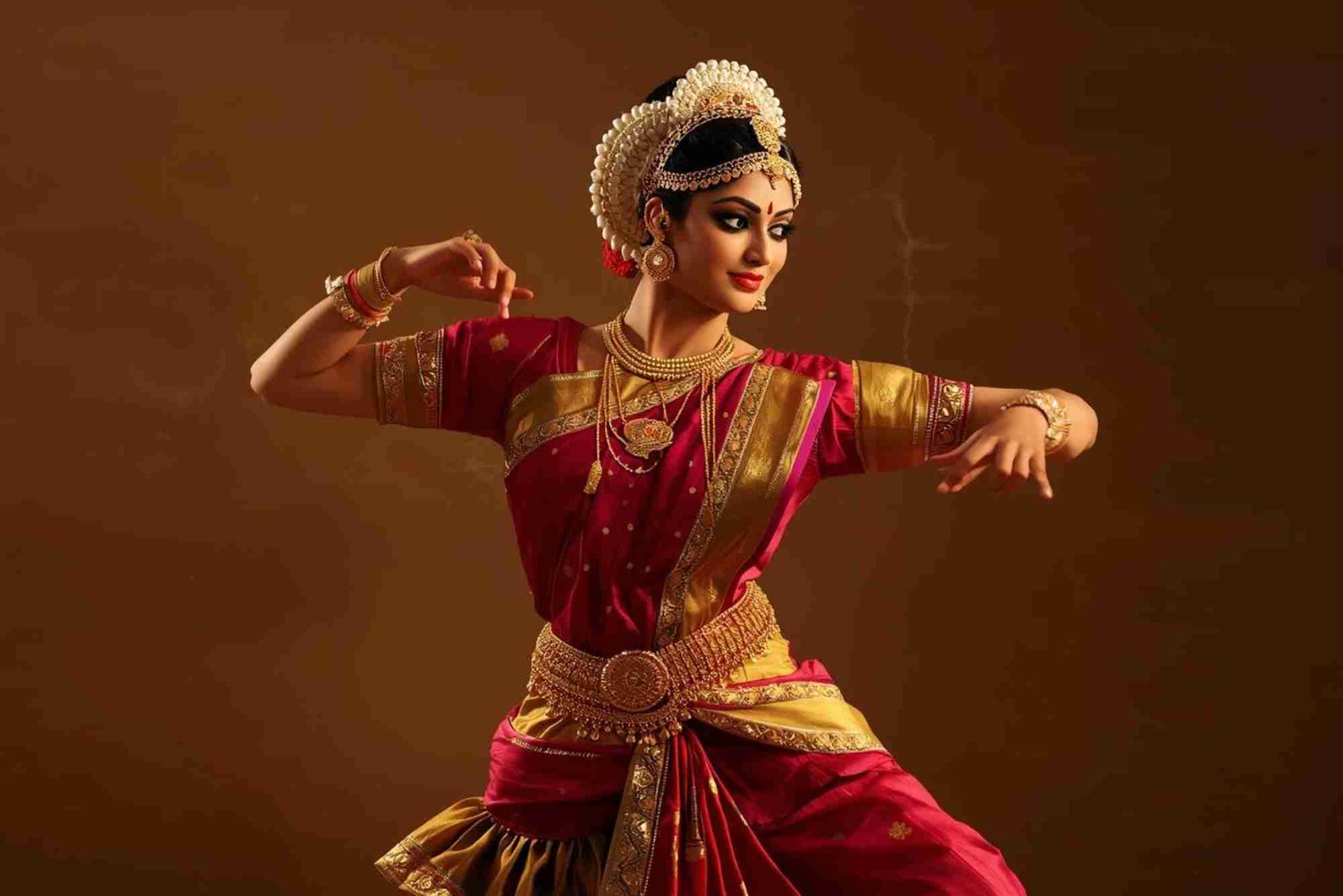
Traditional dance arts are a vital part of cultural heritage. They convey history, values, and stories from generation to generation. Despite the rise of modern entertainment, several traditional dances remain preserved, celebrated, and performed today. Understanding these dances helps us appreciate cultural identity and the efforts to maintain them.
The Importance of Preserving Traditional Dance Arts
Cultural Identity and Heritage
Traditional dances reflect a community’s identity. They tell stories about local history, beliefs, and social norms. Preserving these arts keeps history alive and fosters pride among younger generations.
Education and Community Engagement
Traditional dance also serves as an educational tool. Schools and cultural organizations often teach these dances, creating engagement and connection between generations.
Tourism and Cultural Promotion
Many countries promote traditional dances as part of cultural tourism. Visitors experience authentic performances, supporting local economies and encouraging preservation.
Examples of Traditional Dance Arts That Are Still Preserved
Balinese Dance in Indonesia
Balinese dance combines intricate movements, facial expressions, and music. Rituals and storytelling are central to performances, often depicting Hindu epics. Balinese communities actively teach these dances to younger generations, ensuring continuity.
Flamenco in Spain
Flamenco is a passionate Spanish dance combining guitar, singing, and expressive movements. Flamenco schools and festivals help preserve its traditional techniques while allowing room for modern interpretation.
Kathakali in India
Kathakali is a classical dance from Kerala, India. Dancers wear elaborate costumes and makeup to portray stories from Hindu mythology. Training schools continue to pass on this art, preserving its complex gestures and storytelling methods.
Maori Haka in New Zealand
The Maori Haka is a ceremonial dance expressing strength, pride, and unity. Traditionally performed during battles or ceremonies, today it is preserved through cultural education and international performances.
Irish Step Dance
Irish Step Dance gained worldwide attention through shows like Riverdance. Its precise footwork and posture reflect centuries of Irish tradition. Dance schools worldwide maintain the style, teaching both locals and enthusiasts abroad.
How Traditional Dance Arts Are Preserved
Through Education Programs
Many governments and cultural institutions offer formal programs for traditional dance. Students learn not only techniques but also historical and cultural contexts.
Festivals and Public Performances
Annual cultural festivals showcase traditional dances, drawing local and international audiences. These events provide dancers with platforms to perform and preserve authenticity.
Digital Archiving
Modern technology allows for video recordings, tutorials, and digital archives. Communities can preserve movements, music, and stories for future generations.
Family and Community Transmission
In many cultures, traditional dance is taught informally within families or communities. Elders mentor young dancers, ensuring the art form is passed down naturally.
Challenges in Preserving Traditional Dance Arts
Modern Entertainment Competition
Movies, online content, and pop culture often overshadow traditional arts. Fewer young people engage with these dances unless cultural programs actively encourage participation.
Funding and Resources
Maintaining schools, festivals, and training programs requires financial support. Limited funding can threaten the sustainability of these art forms.
Cultural Misinterpretation
Globalization sometimes leads to misrepresentation of traditional dances. Preserving authenticity while adapting to modern contexts is a delicate balance.
Benefits of Preserving Traditional Dance Arts
Strengthening Cultural Awareness
Preserved dances teach respect for history and cultural diversity. They encourage understanding of values, customs, and traditions.
Enhancing Creativity and Skills
Learning traditional dance develops rhythm, coordination, and creativity. These skills often benefit other performing arts.
Promoting Social Unity
Dance brings communities together. Festivals, ceremonies, and performances foster collaboration and shared cultural pride.
Traditional dance arts that are still preserved are more than performances—they are living history. Communities, educators, and enthusiasts all play a role in keeping these arts alive. By attending performances, supporting cultural programs, and sharing knowledge, you contribute to their preservation. Celebrate your cultural heritage today by exploring and engaging with traditional dances in your community.
Learn a traditional dance, join local cultural events, and help preserve these timeless art forms for future generations.
Balio.id – Balio.id is your go-to platform for insightful lifestyle tips, travel guides, and the latest trends. From wellness advice to inspiring destinations, Balio.id delivers content that enriches your daily life, helping you explore, relax, and live smarter. Stay updated and make every day more vibrant with Balio.id.
FAQ
What are examples of traditional dance arts that are still preserved?
Some examples include Balinese dance from Indonesia, Flamenco from Spain, Kathakali from India, Maori Haka from New Zealand, and Irish Step Dance.
Why is it important to preserve traditional dance arts?
Preservation maintains cultural heritage, educates younger generations, promotes tourism, and strengthens community identity.
How are traditional dance arts preserved today?
Through formal education, family mentorship, festivals, public performances, and digital archiving.
Can traditional dance adapt to modern times?
Yes, dances often adapt while retaining core techniques. Modern interpretations help engage new audiences.
How can I learn a traditional dance?
You can join cultural institutions, attend workshops, or participate in local community events that offer classes in traditional dance forms.
Are traditional dances still relevant in modern society?
Absolutely. They provide cultural awareness, artistic skills, community unity, and contribute to tourism and education.
