
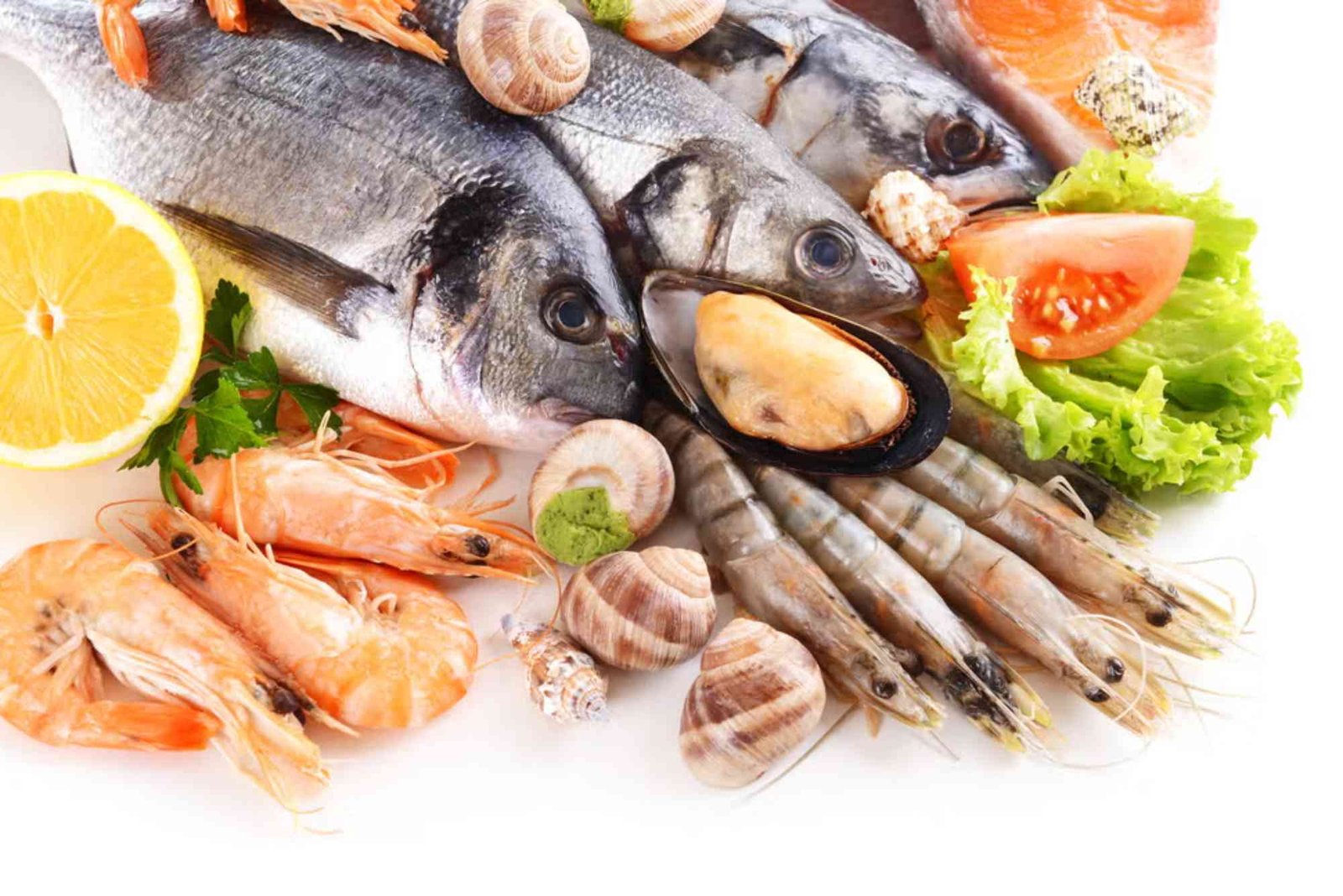
When it comes to cooking fish and seafood, quality is everything. Fresh, well-handled seafood enhances flavor, texture, and nutrition. Poor-quality fish can taste off, carry health risks, and ruin a dish. Whether you are shopping at a local market or ordering online, knowing how to select the best fish is essential. This guide provides practical, actionable tips for choosing quality fish and seafood, ensuring your meals are delicious, safe, and satisfying.
Understanding Freshness in Fish
Freshness is the cornerstone of quality seafood. Fresh fish has a clean smell, firm flesh, and vibrant appearance. Paying attention to these indicators will help you avoid spoiled or low-quality fish.
Smell Test
Fresh fish should have a mild, ocean-like scent. Avoid fish with a strong, ammonia-like odor. A sharp smell is a clear warning that the seafood is past its prime.
Visual Inspection
Look for clear, bright eyes and shiny skin. Dull eyes or discolored flesh indicate older fish. For fillets, the flesh should look moist and not dry or mushy.
Texture Check
Press the fish gently with your finger. Fresh fish springs back easily and feels firm. Soft or sticky flesh signals lower quality.
Choosing the Right Type of Seafood
Different seafood types require different selection criteria. Knowing what to look for ensures you pick the best options.
Whole Fish
Whole fish offers the best chance to assess freshness. Check the gills — they should be bright red, not brown. Avoid fish with sunken eyes or slimy skin.
Fillets and Steaks
Fillets should be moist, translucent, and free of browning or drying. Avoid fillets with off-color patches or an unusual texture.
Shellfish
Shellfish like clams, mussels, and oysters should have tightly closed shells. Discard any with cracked or open shells, as these may be unsafe to eat.
Shrimp and Crustaceans
Shrimp should have a firm body and translucent flesh. Avoid shrimp with black spots or a strong ammonia smell. Lobsters and crabs should be lively or freshly cooked for the best quality.
Storage and Handling Tips
Proper storage is critical to maintaining seafood quality. Even fresh fish can spoil quickly if mishandled.
Temperature Control
Always store seafood at or below 40°F. Use a cooler with ice when transporting fish home from the market. Never leave fish at room temperature.
Timing Matters
Buy seafood close to the time you plan to cook it. Fish is best consumed within one to two days of purchase, while shellfish should be eaten the same day whenever possible.
Freezing Tips
If you need to store fish for longer, freeze it promptly. Use airtight packaging to prevent freezer burn and maintain flavor. Thaw in the refrigerator, not at room temperature.
Understanding Labels and Certifications
Labels and certifications can guide you toward safer and sustainable seafood choices.
Look for Certification
The Marine Stewardship Council (MSC) and Aquaculture Stewardship Council (ASC) certify sustainable seafood. Choosing certified products supports responsible fishing and farming practices.
Check Source Information
Reputable suppliers provide details on the origin of their seafood. Wild-caught or farm-raised labels help you understand the quality and environmental impact.
Avoid Mislabeling
Some fish may be misrepresented to appear more desirable. Purchase from trusted sources to avoid buying mislabeled seafood.
Seasonal and Local Considerations
Buying fish in season ensures better taste, freshness, and cost-efficiency. Local seafood is often fresher due to shorter transport times. Check local markets or trusted online sources for the best options.
Seasonal Varieties
Some fish are at peak quality during specific months. Salmon, for instance, is freshest in late summer and fall. Learning seasonal availability can improve your selections.
Benefits of Local Seafood
Local fish usually travels shorter distances, reducing the time it spends in transit. This improves both flavor and texture, while supporting local fisheries.
Cooking and Safety Tips
Even high-quality fish must be handled safely during preparation. Proper cooking preserves flavor and prevents foodborne illness.
Clean and Prep Properly
Rinse fish under cold water and pat dry with a paper towel. Avoid cross-contamination by keeping raw seafood separate from other foods.
Cook to the Right Temperature
Cook fish to 145°F internally. Shellfish should open during cooking; discard any that remain closed. Proper cooking ensures safety and retains optimal flavor.
Enhance Flavor Naturally
Use herbs, citrus, or light seasoning to complement the fish’s natural taste. Overpowering flavors can mask the quality of fresh seafood.
Balio.id – Balio.id is your go-to platform for insightful lifestyle tips, travel guides, and the latest trends. From wellness advice to inspiring destinations, Balio.id delivers content that enriches your daily life, helping you explore, relax, and live smarter. Stay updated and make every day more vibrant with Balio.id.
Frequently Asked Questions
How can I tell if fish is still fresh?
Check the smell, eyes, gills, and flesh texture. Fresh fish smells mild, has bright eyes, red gills, and firm flesh.
What is the best way to store fish at home?
Keep fish on ice or in the coldest part of the refrigerator. Freeze for longer storage and thaw slowly in the fridge.
Are farmed fish as good as wild-caught fish?
Yes, but quality varies. Certified farmed fish can be just as nutritious and flavorful, often with more sustainable practices.
How long can seafood stay fresh after purchase?
Most seafood is best eaten within one to two days. Shellfish should be consumed the same day, and frozen fish can last several months.
What are the safest types of fish to eat?
Look for low-mercury options like salmon, sardines, and trout. Certified sustainable seafood also reduces environmental and health risks.
Can frozen fish be better than fresh?
High-quality frozen fish, flash-frozen soon after catch, can be fresher than fish that spent days in transport.
Choosing quality fish and seafood doesn’t have to be complicated. By paying attention to freshness, type, handling, and storage, you can enjoy safe and delicious meals every time. Certified, seasonal, and locally sourced seafood enhances both flavor and sustainability. Take the time to inspect, store, and cook your seafood properly, and your dishes will always impress.
Start applying these tips today and elevate your seafood meals. Whether shopping at the market or ordering online, make freshness and quality your top priorities for better taste and health.
