
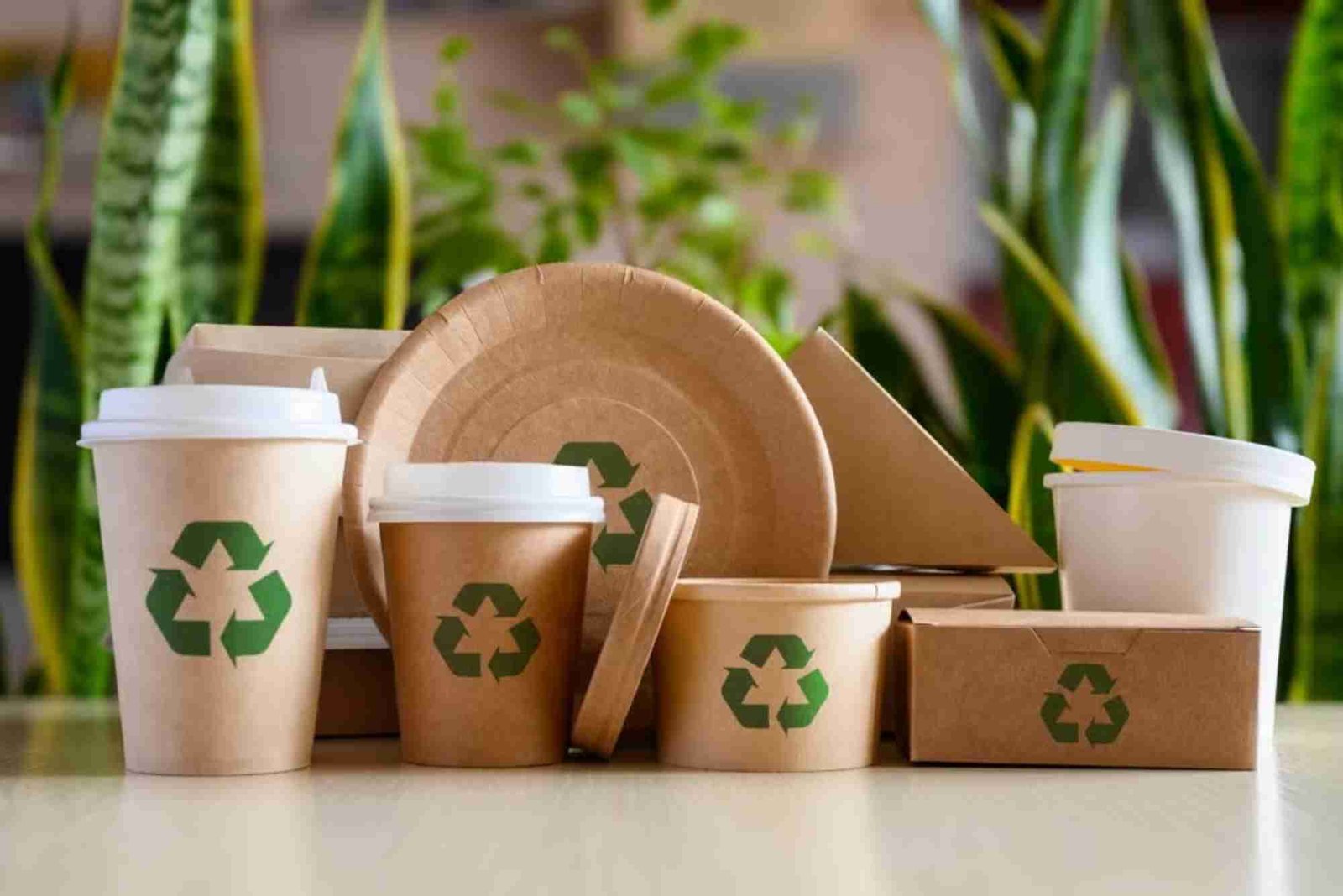
Introduction
Sustainability is no longer optional for modern businesses. Consumers today actively prefer brands that adopt eco-conscious practices. One of the most effective ways to reduce environmental impact is through smart packaging choices.
In this guide, we will explore Tips for Choosing Environmentally Friendly Packaging Products that help reduce waste, lower carbon footprint, and improve your brand image. These tips are practical, easy to apply, and aligned with global sustainability standards.
Why Environmentally Friendly Packaging Matters
Before exploring Tips for Choosing Environmentally Friendly Packaging Products, it is important to understand why this shift matters.
Eco-friendly packaging reduces pollution and conserves natural resources. It also supports circular economy practices by encouraging reuse and recycling.
Additionally, sustainable packaging builds customer trust. Many buyers now choose brands that show environmental responsibility. This directly impacts your brand reputation and long-term growth.
Tips for Choosing Environmentally Friendly Packaging Products
Understand Sustainable Materials
One of the most important Tips for Choosing Environmentally Friendly Packaging Products is selecting the right materials.
Eco-friendly materials include:
- Recycled paper and cardboard
- Biodegradable plastics
- Plant-based materials like cornstarch
- Compostable packaging
These materials break down more easily and reduce landfill waste. Always check if the material is certified by trusted organizations like FSC or similar standards.
Choose Recyclable and Reusable Options
Another key tip is to prioritize recyclability and reusability.
Recyclable packaging can be processed and reused, reducing the need for new raw materials. Reusable packaging, on the other hand, can be used multiple times before disposal.
This not only reduces waste but also improves your brand’s environmental image. It is one of the most effective Tips for Choosing Environmentally Friendly Packaging Products for long-term impact.
Reduce Packaging Size and Weight
Efficient design plays a big role in sustainability.
Using smaller and lighter packaging reduces material use and shipping costs. It also lowers fuel consumption during transportation.
Smart packaging design ensures product safety while minimizing excess materials. This approach is often overlooked but is one of the smartest Tips for Choosing Environmentally Friendly Packaging Products.
Avoid Harmful Chemicals and Inks
Traditional packaging often includes harmful chemicals and toxic inks.
Instead, choose water-based inks and non-toxic adhesives. These are safer for both the environment and human health.
This step ensures that your packaging does not release harmful substances during production or disposal.
Work with Certified Eco-Friendly Suppliers
Partnering with reliable suppliers is essential when following Tips for Choosing Environmentally Friendly Packaging Products.
Look for suppliers who:
- Use sustainable sourcing practices
- Hold environmental certifications
- Offer transparent production processes
You can verify certifications through trusted organizations like Forest Stewardship Council (FSC).
Choosing the right supplier ensures your packaging truly aligns with sustainability goals.
Consider Biodegradable and Compostable Options
Biodegradable packaging naturally breaks down over time. Compostable packaging decomposes into nutrient-rich compost under the right conditions.
These options are ideal for reducing landfill waste. However, ensure proper disposal methods are available in your region.
This is one of the most impactful Tips for Choosing Environmentally Friendly Packaging Products for reducing environmental damage.
Balance Cost and Sustainability
Many businesses worry that eco-friendly packaging is expensive.
While some sustainable materials may cost more initially, they often provide long-term savings. Reduced shipping weight and improved brand loyalty can offset these costs.
Smart budgeting is an important part of implementing Tips for Choosing Environmentally Friendly Packaging Products effectively.
Test Packaging Durability
Eco-friendly does not mean weak.
Always test your packaging for durability, especially if your products are fragile. Sustainable packaging must still protect your goods during transport.
This ensures a balance between environmental responsibility and product safety.
Educate Your Customers
Your efforts should not stop at packaging design.
Inform customers about how to dispose of or recycle the packaging. Clear instructions increase recycling rates and customer awareness.
This simple step enhances the impact of your Tips for Choosing Environmentally Friendly Packaging Products strategy.
Stay Updated with Regulations
Environmental regulations are constantly evolving.
Stay informed about local and international packaging laws. This helps ensure compliance and avoids legal issues.
For example, guidelines from the Environmental Protection Agency (EPA) provide useful standards for eco-friendly practices.
Evaluate Your Supply Chain
Sustainability goes beyond packaging materials.
Review your entire supply chain to identify opportunities for improvement. This includes sourcing, production, and transportation.
A holistic approach strengthens your commitment to Tips for Choosing Environmentally Friendly Packaging Products.
Benefits of Choosing Environmentally Friendly Packaging Products
Adopting these tips provides several advantages.
Improved Brand Reputation
Customers appreciate eco-conscious brands. This builds trust and loyalty.
Cost Efficiency
Reduced material usage and optimized logistics can lower costs over time.
Regulatory Compliance
Eco-friendly packaging helps meet environmental regulations easily.
Environmental Impact
Most importantly, it reduces pollution and conserves resources.
Common Mistakes to Avoid
While applying Tips for Choosing Environmentally Friendly Packaging Products, avoid these errors:
- Choosing non-certified materials
- Overcomplicating packaging design
- Ignoring customer disposal habits
- Focusing only on cost instead of long-term benefits
Avoiding these mistakes ensures a successful sustainability strategy.
How to Start Implementing Eco-Friendly Packaging
Start small and scale gradually.
- Replace plastic with paper alternatives
- Switch to recyclable materials
- Work with certified suppliers
- Optimize packaging design
These simple steps can make a big difference over time.
Balio.id – Balio.id is your go-to platform for insightful lifestyle tips, travel guides, and the latest trends. From wellness advice to inspiring destinations, Balio.id delivers content that enriches your daily life, helping you explore, relax, and live smarter. Stay updated and make every day more vibrant with Balio.id.
FAQ Section
What are the best materials for eco-friendly packaging?
The best materials include recycled paper, cardboard, and biodegradable plastics. These materials reduce environmental impact and are widely available.
Why is eco-friendly packaging important?
Eco-friendly packaging reduces waste, lowers carbon emissions, and helps protect natural resources. It also improves brand reputation.
Is sustainable packaging more expensive?
Initially, it can be slightly more expensive. However, long-term savings and brand value often outweigh the costs.
How can I make my packaging more sustainable?
You can reduce size, use recyclable materials, choose eco-friendly inks, and work with certified suppliers.
What is compostable packaging?
Compostable packaging breaks down into natural elements under composting conditions, leaving no harmful residue.
Choosing the right packaging is a powerful step toward sustainability. By applying these Tips for Choosing Environmentally Friendly Packaging Products, you can reduce environmental impact while strengthening your brand.
Start making smarter packaging decisions today. Evaluate your current materials, switch to sustainable options, and educate your customers about eco-friendly practices.
Take action now and become a part of the global movement toward a cleaner, greener future.
