
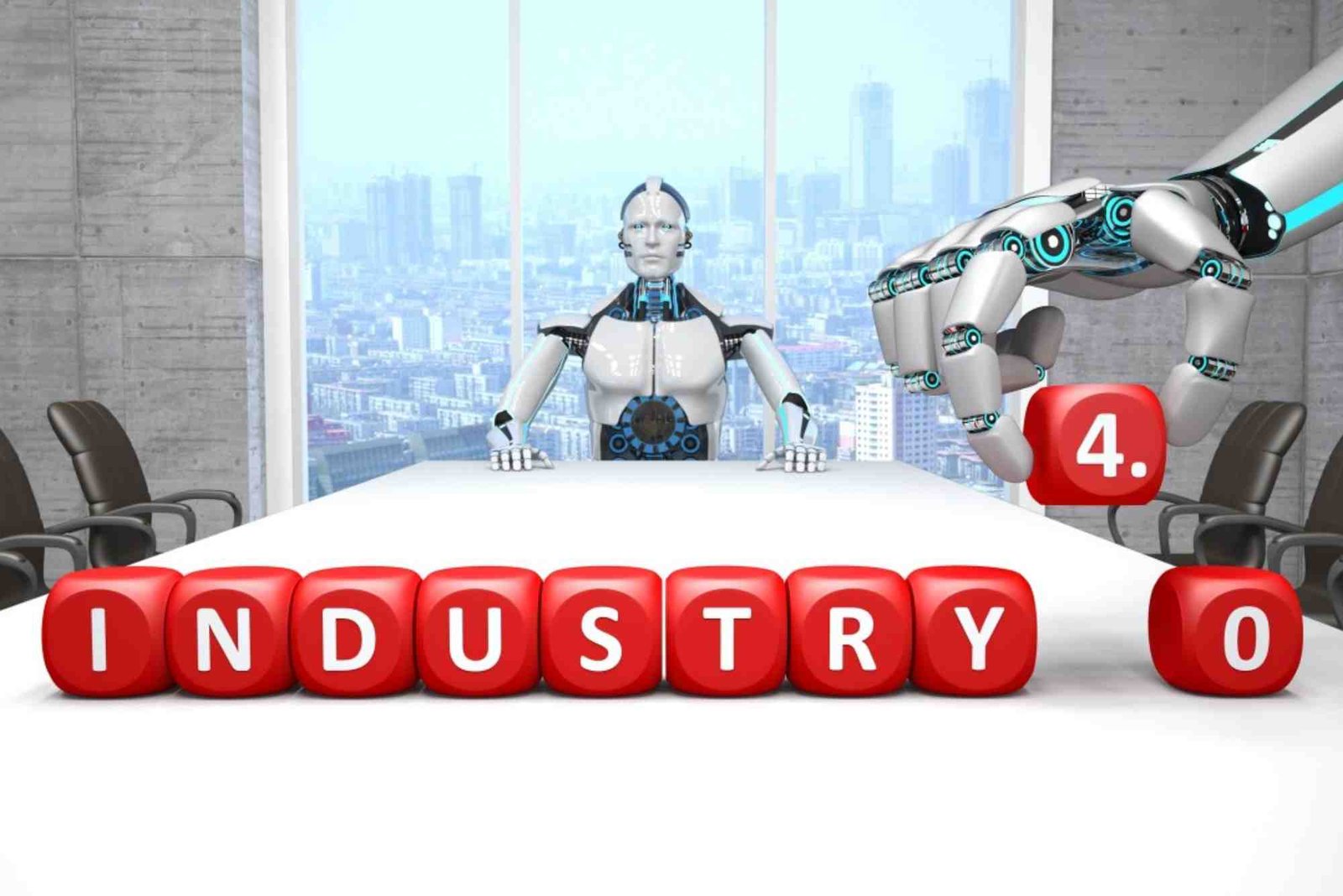
The Industrial Revolution 4.0 represents a transformative era where advanced technologies redefine industries. Unlike previous industrial revolutions, this one emphasizes digital integration, smart systems, and connectivity. Technology now serves as the backbone, enabling faster production, efficient resource management, and innovative business models. The role of technology in Industrial Revolution 4.0 is not just about automation; it involves reshaping industries with intelligence, adaptability, and precision.
Understanding Industrial Revolution 4.0
Industrial Revolution 4.0 is the latest phase of industrial evolution. It builds on previous revolutions that introduced steam engines, electricity, and computerization. This revolution focuses on digital technologies such as artificial intelligence, machine learning, the Internet of Things (IoT), robotics, and big data analytics. Its main objective is creating smart factories where machines, systems, and humans interact seamlessly to optimize processes. Unlike past industrial revolutions, which emphasized mass production, Industrial Revolution 4.0 prioritizes customization, efficiency, and predictive capabilities.
Key Technologies Driving Industrial Revolution 4.0
Technology underpins every aspect of this revolution. Several core technologies drive its progress and impact various industries.
Artificial Intelligence and Machine Learning
Artificial intelligence (AI) enables machines to learn from data, make decisions, and perform complex tasks with minimal human intervention. In manufacturing, AI predicts maintenance needs, optimizes supply chains, and improves quality control. Machine learning algorithms allow systems to detect patterns and forecast outcomes, reducing operational errors and enhancing productivity.
The Internet of Things (IoT)
IoT connects devices, machines, and sensors to gather real-time data. This interconnectivity ensures precise monitoring and management of industrial processes. For example, sensors in factories can detect equipment malfunctions before they become critical, reducing downtime. IoT also enables data-driven decision-making, helping businesses adapt to market demands faster.
Robotics and Automation
Robots have moved beyond simple repetitive tasks. In Industrial Revolution 4.0, collaborative robots or “cobots” work alongside humans to enhance efficiency and safety. Automation reduces manual labor, improves accuracy, and accelerates production cycles. These intelligent robots can learn new tasks, adapt to changing conditions, and even communicate with other machines.
Big Data and Analytics
The vast amount of data generated in industrial environments can be overwhelming without proper tools. Big data analytics helps businesses extract meaningful insights from this information. By analyzing trends, patterns, and anomalies, companies can make strategic decisions, optimize processes, and innovate faster. Predictive analytics also enables proactive problem-solving, which saves time and resources.
Cloud Computing
Cloud platforms provide flexible infrastructure for managing industrial applications. They allow companies to store, process, and analyze data without investing heavily in physical servers. Cloud computing supports scalability, remote access, and collaboration across global operations. It also facilitates the integration of AI, IoT, and analytics in a seamless ecosystem.
Impact of Technology on Industrial Sectors
Technology has transformed various industries in unprecedented ways. Its impact can be observed across manufacturing, logistics, energy, healthcare, and more.
Manufacturing Industry
In manufacturing, technology has introduced smart factories that optimize production lines. AI-driven machines ensure consistent quality, while IoT sensors monitor performance. Automation reduces human error and increases efficiency. Customized production has become feasible due to flexible manufacturing systems, allowing companies to meet specific customer needs.
Logistics and Supply Chain Management
IoT and AI have revolutionized logistics by enabling real-time tracking and predictive planning. Smart warehouses use automated systems to manage inventory efficiently. Data analytics helps optimize delivery routes, reduce costs, and improve customer satisfaction. These technologies create a seamless flow of goods from manufacturers to consumers.
Energy Sector
Industrial Revolution 4.0 technologies enhance energy efficiency and sustainability. Smart grids, powered by IoT and AI, monitor consumption patterns, optimize distribution, and predict demand fluctuations. Renewable energy sources can be integrated efficiently, ensuring a reliable and environmentally friendly supply. Predictive maintenance reduces the risk of outages and equipment failures.
Healthcare Industry
Technology enables precision medicine, telehealth, and robotic surgeries. AI assists in diagnosing diseases, analyzing medical images, and predicting patient outcomes. IoT devices monitor patients remotely, ensuring timely interventions. Big data analytics allows healthcare providers to improve treatments and reduce costs while enhancing patient care.
Benefits of Technology in Industrial Revolution 4.0
The integration of technology brings multiple advantages to industries, economies, and society.
Increased Efficiency and Productivity
Automation, AI, and IoT reduce manual labor and streamline processes. Machines work continuously with minimal errors, enhancing productivity across operations.
Enhanced Decision-Making
Data-driven insights enable informed decisions. Predictive analytics identifies trends, risks, and opportunities, allowing companies to act proactively rather than reactively.
Cost Reduction
By optimizing processes, reducing downtime, and preventing errors, technology lowers operational costs. Companies can allocate resources more efficiently and increase profit margins.
Customization and Innovation
Industries can now offer personalized products and services. Flexible manufacturing systems, AI, and robotics support innovation, ensuring that businesses meet evolving customer demands.
Sustainability and Safety
Technology contributes to sustainable practices by optimizing energy usage, reducing waste, and monitoring environmental impact. Robots and smart systems also improve workplace safety, minimizing accidents and hazards.
Challenges in Implementing Technology
Despite its benefits, adopting advanced technologies poses challenges.
High Initial Investment
Setting up smart factories and integrating AI, IoT, and robotics require significant financial resources. Small and medium-sized enterprises may struggle with these costs.
Skills Gap
Employees need new skills to operate and maintain advanced technologies. Training and upskilling are essential to bridge this gap, but it can be time-consuming and expensive.
Data Security Concerns
Connected systems are vulnerable to cyberattacks. Companies must invest in robust cybersecurity measures to protect sensitive information and ensure operational continuity.
Interoperability Issues
Integrating various technologies and legacy systems can be complex. Ensuring seamless communication between devices, software, and platforms requires careful planning and standardization.
The Future of Industrial Revolution 4.0
The role of technology in Industrial Revolution 4.0 will continue to expand. Emerging technologies like augmented reality (AR), virtual reality (VR), 5G connectivity, and blockchain will further transform industries. AR and VR enhance training, maintenance, and design processes. 5G enables faster and more reliable communication between machines. Blockchain ensures transparency, security, and traceability in supply chains.
As industries embrace digital transformation, collaboration between humans and machines will become more seamless. Businesses that invest in technology, innovation, and workforce development will thrive in this competitive landscape. The future promises smarter, more sustainable, and highly adaptive industrial environments.
Technology is the driving force behind Industrial Revolution 4.0, reshaping industries and creating new opportunities. From AI and IoT to robotics and big data, advanced technologies optimize processes, enhance productivity, and enable innovation. Businesses must embrace these changes, invest in skills, and adopt smart solutions to remain competitive. The revolution is not just about machines; it is about intelligent, interconnected systems that redefine how industries operate. Embrace the future of industrial innovation and leverage technology to transform your business today.
Looking to make your home smarter? Discover the best smart home device recommendations for beginners to simplify daily life, enhance security, and boost convenience. From smart lights to voice assistants, these beginner-friendly devices make technology accessible for everyone. Learn more in our detailed guide here.
FAQs
What is Industrial Revolution 4.0?
Industrial Revolution 4.0 is the digital transformation of industries using AI, IoT, robotics, and data analytics to create smart, efficient systems.
How does technology impact manufacturing?
Technology improves efficiency, accuracy, and customization in manufacturing through automation, smart machines, and data-driven insights.
What are the key technologies in Industrial Revolution 4.0?
AI, IoT, robotics, big data analytics, and cloud computing are the main technologies driving Industrial Revolution 4.0.
Why is data important in Industrial Revolution 4.0?
Data allows companies to make informed decisions, predict trends, optimize operations, and innovate with minimal errors.
What challenges do companies face in adopting new technologies?
High costs, skills gaps, cybersecurity risks, and integration complexities are common challenges in implementing advanced technologies.
How will Industrial Revolution 4.0 evolve in the future?
The future will involve AR, VR, 5G, and blockchain, enhancing connectivity, security, and intelligence in industrial systems.
