
Introduction
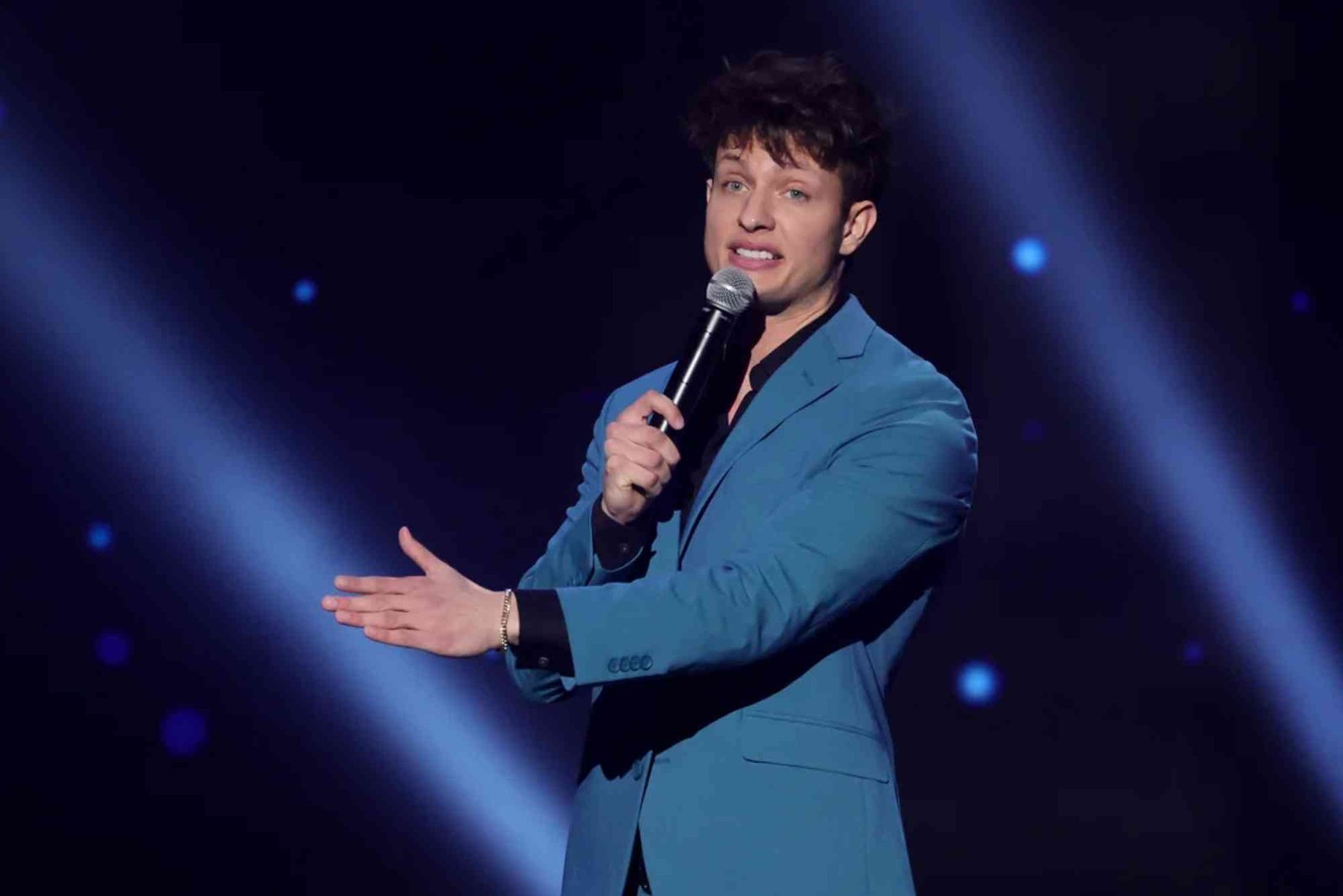
Stand-up comedy has transformed from a niche form of entertainment to a cultural phenomenon that resonates worldwide. Once confined to smoky clubs and local bars, this art form now dominates streaming platforms, social media, and large theaters. The increasingly popular phenomenon of stand-up comedy reflects society’s appetite for humor, relatability, and thought-provoking commentary. People no longer seek just laughter; they want insight, connection, and a glimpse into different perspectives delivered through wit. This shift marks not only the rise of individual comedians but also a broader change in how audiences consume entertainment.
The Evolution of Stand-Up Comedy
Origins and Early Days
Stand-up comedy began as informal storytelling and humorous performances in taverns, variety shows, and vaudeville theaters. Performers relied on observational humor, social commentary, and exaggerated anecdotes to engage audiences. Humor has always been a reflection of society, and early comedians skillfully addressed topics from daily life to politics, allowing audiences to see their experiences through a humorous lens. Despite limited reach in the past, these pioneers laid the foundation for modern stand-up comedy’s expressive and confrontational style.
The Role of Television
Television played a pivotal role in expanding the reach of stand-up comedy. Shows like “Saturday Night Live” and comedy specials in the late 20th century introduced performers to national audiences. The televised format allowed comedians to craft narratives suitable for broader demographics while retaining authenticity. Viewers could now appreciate stand-up from the comfort of their homes, blurring the line between live performances and recorded entertainment. This exposure cultivated fan followings and inspired aspiring comedians to pursue the craft professionally.
Digital Revolution and Social Media
The advent of digital platforms has accelerated the increasingly popular phenomenon of stand-up comedy. YouTube, Instagram, TikTok, and streaming services have democratized comedy, enabling creators to reach global audiences without traditional gatekeepers. Clips of routines, sketches, and behind-the-scenes content circulate rapidly, turning unknown performers into viral sensations overnight. Social media has also fostered niche humor communities, allowing comedians to experiment with style, subject matter, and delivery. The accessibility of digital platforms has transformed stand-up into a pervasive cultural force.
Why Stand-Up Comedy Appeals to Audiences
Relatability and Connection
One reason for the surge in popularity is the relatability of stand-up comedy. Audiences connect with comedians who reflect their own experiences, struggles, and cultural references. Observational humor that highlights everyday life allows people to laugh at themselves and find solidarity in shared experiences. This connection goes beyond mere entertainment; it fosters empathy, understanding, and a sense of community among viewers.
Commentary on Society
Stand-up comedy often serves as a mirror to society. Comedians tackle issues like politics, inequality, social norms, and cultural trends through humor, prompting reflection alongside laughter. This dual role of entertainer and commentator adds depth to the genre and attracts audiences seeking more than superficial amusement. By blending satire with personal narrative, stand-up provides a platform for dialogue and critique, making humor both enjoyable and meaningful.
Escape and Stress Relief
In an increasingly stressful world, stand-up comedy offers a welcome escape. Laughter triggers endorphins and reduces stress, creating a positive emotional experience for audiences. Unlike other entertainment forms, stand-up offers immediacy; the live performance element allows real-time interaction between comedian and crowd. Whether attending a show in person or streaming a recorded special, audiences gain a temporary reprieve from daily pressures through shared laughter.
Factors Driving the Growth of Stand-Up Comedy
Diverse Voices and Perspectives
The rise of diverse comedians has expanded the appeal of stand-up comedy. Performers from different backgrounds, genders, and cultures bring unique perspectives to their routines. This diversity resonates with broader audiences, introducing new topics, styles, and experiences. The increasingly popular phenomenon of stand-up comedy thrives on these fresh voices, reflecting societal shifts and the desire for inclusive storytelling.
Accessibility and Convenience
Streaming services and online platforms have made stand-up more accessible than ever. People can watch specials, clips, and live performances at any time, bypassing the limitations of geography and schedules. This convenience allows comedy to integrate seamlessly into daily routines, whether during a commute, lunch break, or evening relaxation. As accessibility increases, so does audience engagement and interest in the genre.
Global Appeal
Stand-up comedy has become a global phenomenon, transcending language and cultural barriers. While humor is often culturally specific, certain themes—relationships, work struggles, family dynamics—are universal. Subtitles, dubbing, and social media translations allow international audiences to enjoy performances they might otherwise miss. This global reach amplifies the visibility and popularity of the genre, making it an influential cultural export.
The Impact on Entertainment and Culture
Shaping Media Consumption
The increasingly popular phenomenon of stand-up comedy has influenced how audiences consume media. Comedy specials and routines are now staples on streaming platforms, competing with movies, series, and documentaries. Platforms invest in original content and talent development, recognizing comedy’s ability to attract subscribers. As a result, stand-up is no longer a secondary genre but a major driver of audience engagement in the entertainment industry.
Inspiring Aspiring Comedians
The visibility of successful comedians inspires new talent. Many emerging performers cite digital platforms as gateways to recognition and career growth. Talent shows, comedy festivals, and online contests provide opportunities for aspiring comedians to showcase skills, connect with mentors, and build audiences. This inspiration creates a cycle: as more individuals pursue comedy, the genre diversifies and evolves, contributing to its sustained popularity.
Influence on Social Discourse
Stand-up comedy increasingly shapes social discourse. Comedians address sensitive or controversial topics with humor, encouraging audiences to consider perspectives they might otherwise ignore. Satire and observational comedy spark conversations about politics, culture, and social issues, demonstrating humor’s power as a tool for awareness. By making complex topics approachable, stand-up fosters critical thinking and public dialogue.
Challenges Faced by Modern Stand-Up Comedy
Balancing Humor and Sensitivity
As comedy addresses complex social issues, performers face the challenge of balancing humor with sensitivity. Jokes that may have been acceptable decades ago are now scrutinized in public discourse. Comedians must navigate changing societal norms while maintaining authenticity, a delicate task that requires awareness, empathy, and skill.
Competition and Saturation
The rise of digital platforms has increased competition. Thousands of comedians produce content daily, making it challenging for performers to stand out. While this democratization benefits audiences, it creates pressure for comedians to innovate constantly, refine their craft, and engage audiences creatively to remain relevant.
Maintaining Authenticity
The demand for virality and social media engagement can sometimes compromise the authenticity of comedy. Comedians must balance audience expectations, platform algorithms, and personal style. Those who stay true to their voice while adapting to new media often succeed, but the pressure to conform can be intense, impacting the creative process.
The Future of Stand-Up Comedy
Integration with Technology
Technology will continue shaping stand-up comedy. Virtual reality, live streaming, and interactive platforms may redefine audience experiences. Fans could attend virtual comedy clubs or interact with performers in immersive environments. These innovations could expand reach, enhance engagement, and introduce new formats while preserving the genre’s essence.
Continued Global Expansion
Stand-up comedy will likely grow in international markets as global connectivity increases. Audiences seek diverse content, and performers continue breaking cultural and linguistic barriers. Cross-cultural collaborations, subtitled specials, and regional comedy festivals contribute to the genre’s worldwide proliferation, ensuring it remains a global phenomenon.
Evolving Content and Themes
As society changes, so will comedy content. Emerging social issues, technological shifts, and generational differences will influence humor. Comedians will explore new themes, experiment with delivery, and engage audiences in innovative ways. The increasingly popular phenomenon of stand-up comedy demonstrates adaptability and resilience, ensuring its relevance in years to come.
The increasingly popular phenomenon of stand-up comedy reflects the evolving tastes, needs, and values of modern audiences. It entertains, provokes thought, and fosters connection, offering more than just laughter. From its humble origins in local clubs to global streaming platforms, stand-up has become a dynamic cultural force. Audiences are drawn to its relatability, diversity, and capacity to address serious topics with humor. For aspiring performers, fans, or casual viewers, exploring stand-up comedy provides not just entertainment but insight into society and human experience. The rise of this genre signals a cultural shift where humor and reflection coexist. Dive into the world of stand-up, watch a special today, and experience the laughter that unites people everywhere.
Indonesian cultural traditions are rich and diverse, reflecting centuries of history, art, and local wisdom. However, many practices, such as traditional dances, rituals, and crafts, are gradually fading due to modernization and changing lifestyles. Preserving these traditions is vital for future generations to maintain a connection with their heritage and identity, ensuring that the vibrant cultural legacy of Indonesia continues to inspire and educate worldwide.
FAQ
What makes stand-up comedy so popular today?
Stand-up comedy’s popularity stems from its relatability, diversity, and ability to address social issues humorously. Digital platforms also make it accessible to global audiences.
Who are some influential stand-up comedians shaping the industry?
Comedians like Dave Chappelle, Ali Wong, Hasan Minhaj, and John Mulaney have reshaped stand-up with unique styles, cultural insights, and global reach.
How has social media impacted stand-up comedy?
Social media enables comedians to share routines, gain followers, and go viral. It has democratized the industry, allowing new talent to emerge without traditional gatekeepers.
Can anyone become a stand-up comedian?
While anyone can attempt comedy, success requires skill, timing, and audience understanding. Practice, creativity, and exposure are key to developing a professional career.
Why is stand-up comedy considered a reflection of society?
Comedians address cultural norms, politics, and social issues through humor. This allows audiences to critically reflect on society while being entertained.
