
Introduction
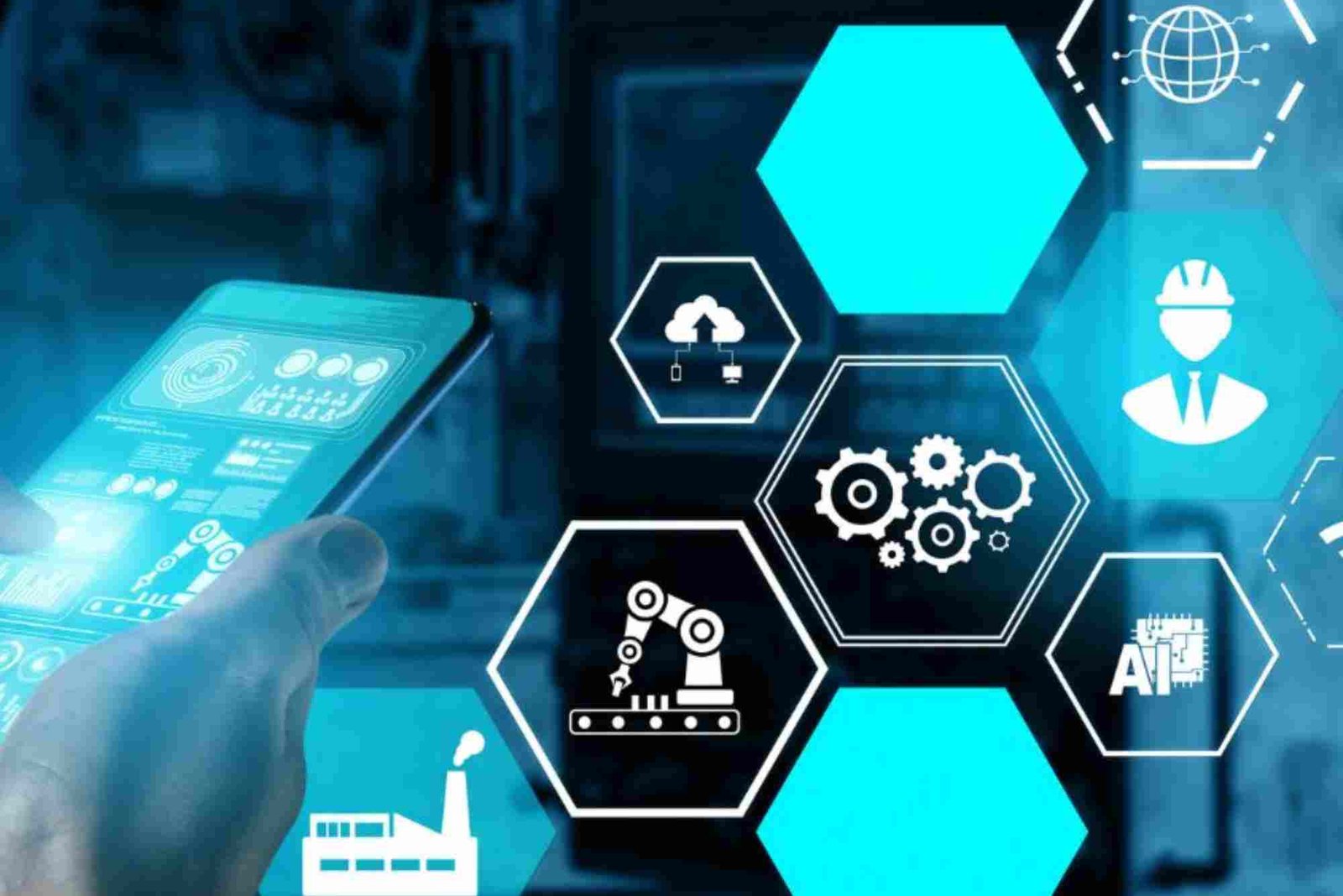
The digital technology revolution has transformed the way we live, work, and interact with the world. From the rise of smartphones and cloud computing to artificial intelligence (AI) and the Internet of Things (IoT), digital technologies are reshaping industries and human experiences at an unprecedented pace. Businesses are leveraging these advancements to improve efficiency, while individuals enjoy connectivity and convenience like never before. As we look to the future, understanding these trends is crucial for navigating and thriving in an increasingly digital world.
The Evolution of Digital Technology
Early Stages of the Digital Era
The digital revolution began with the development of computers and the internet. In the late 20th century, personal computers, mobile phones, and the World Wide Web paved the way for global connectivity. These innovations enabled faster communication, automated processes, and access to information that was previously unimaginable.
Advancements in Connectivity
The introduction of high-speed internet, 4G, and now 5G networks has dramatically increased the speed and reliability of digital communication. This connectivity allows for real-time collaboration, remote work, and seamless access to cloud services. As 5G networks expand, technologies like autonomous vehicles, augmented reality (AR), and virtual reality (VR) will become more practical and widespread.
The Role of Artificial Intelligence
Artificial intelligence is a driving force behind the digital technology revolution. AI algorithms analyze massive datasets to identify patterns, automate decision-making, and predict outcomes. Applications range from healthcare diagnostics and financial modeling to virtual assistants and personalized marketing. The integration of AI into daily life is accelerating innovation and shaping how businesses operate.
Key Drivers of the Digital Technology Revolution
Big Data and Analytics
Data is the new currency of the digital era. Businesses and governments use big data to understand consumer behavior, optimize operations, and make informed decisions. Predictive analytics, powered by machine learning, allows organizations to anticipate trends and adapt quickly to changing environments.
Cloud Computing and Virtualization
Cloud computing has revolutionized the way data is stored and accessed. Organizations can now operate with greater flexibility, scalability, and cost efficiency. Cloud-based solutions support remote work, global collaboration, and instant deployment of applications, making it easier for startups and large enterprises alike to innovate rapidly.
Internet of Things (IoT)
The Internet of Things connects everyday devices to the internet, enabling smart homes, wearable technology, and industrial automation. IoT devices generate real-time data, which can improve energy efficiency, optimize logistics, and enhance overall quality of life. The proliferation of IoT technology is transforming sectors from healthcare to manufacturing.
Impacts on Society and Business
Transformation of Industries
The digital revolution has reshaped traditional industries. Retailers use e-commerce platforms and AI-driven recommendations, healthcare providers employ telemedicine and AI diagnostics, and financial institutions leverage blockchain and automated systems. Industries that embrace digital transformation are better positioned to thrive in the competitive global market.
Changes in Workforce Dynamics
Digital technologies are redefining job roles. Automation and AI are replacing repetitive tasks, while new opportunities emerge in programming, data science, and cybersecurity. Remote work and virtual collaboration tools have also expanded employment possibilities, allowing individuals to work across borders with greater flexibility.
Ethical and Security Considerations
As digital technologies advance, they also raise ethical and security challenges. Data privacy, cyber threats, and algorithmic biases are significant concerns that need careful regulation and oversight. Businesses must adopt responsible technology practices to maintain trust and ensure the benefits of digital transformation are widely shared.
The Future of the Digital Technology Revolution
Artificial Intelligence and Machine Learning
AI will continue to evolve, becoming more sophisticated and integrated into daily life. Future applications may include advanced robotics, predictive healthcare, and autonomous transportation systems. AI-driven personalization will enhance customer experiences while improving operational efficiency.
Blockchain and Decentralized Systems
Blockchain technology has the potential to revolutionize financial systems, supply chains, and data security. Decentralized networks provide transparency, reduce fraud, and streamline transactions. As adoption grows, blockchain could reshape industries that rely heavily on trust and verification.
Extended Reality (AR/VR) and Immersive Experiences
Augmented and virtual reality technologies are transforming entertainment, education, and professional training. These immersive experiences allow users to interact with digital environments in realistic ways, opening new opportunities for creativity, collaboration, and learning.
Sustainable Digital Innovation
The future of digital technology will also prioritize sustainability. Energy-efficient data centers, green AI, and smart infrastructure will help reduce environmental impact. Companies integrating sustainability into technology design will gain a competitive edge and contribute to global environmental goals.
The digital technology revolution is far from over. It continues to redefine how we communicate, work, and experience the world. From AI and IoT to AR, VR, and blockchain, the future promises even greater innovation and transformation. Embracing these advancements, while addressing ethical and security challenges, will be essential for individuals and businesses to thrive in the digital age.
FAQs
What is the digital technology revolution?
It refers to the rapid adoption and integration of digital technologies such as AI, IoT, cloud computing, and big data that transform industries, society, and daily life.
How does AI impact the future of work?
AI automates repetitive tasks, enhances decision-making, and creates new roles in tech-driven fields, changing the skills and job opportunities required in the workforce.
What are some examples of IoT applications?
IoT applications include smart homes, wearable health trackers, industrial automation, and connected vehicles that collect and share data to improve efficiency and convenience.
Why is cybersecurity important in the digital revolution?
As digital technologies collect and process large amounts of data, cybersecurity protects sensitive information from breaches, fraud, and misuse, maintaining trust in digital systems.
How can businesses prepare for future digital trends?
Businesses can invest in AI, cloud computing, and data analytics, adopt sustainable practices, focus on cybersecurity, and continuously adapt to emerging technologies to stay competitive.
How to Create a Cloud System for Your Business: Building a cloud system for your business boosts efficiency, security, and accessibility. Start by choosing the right cloud provider, plan your infrastructure, and migrate data carefully. Implement strong security measures, automate backups, and train your team. A well-designed cloud system ensures smooth operations and scalability.
