
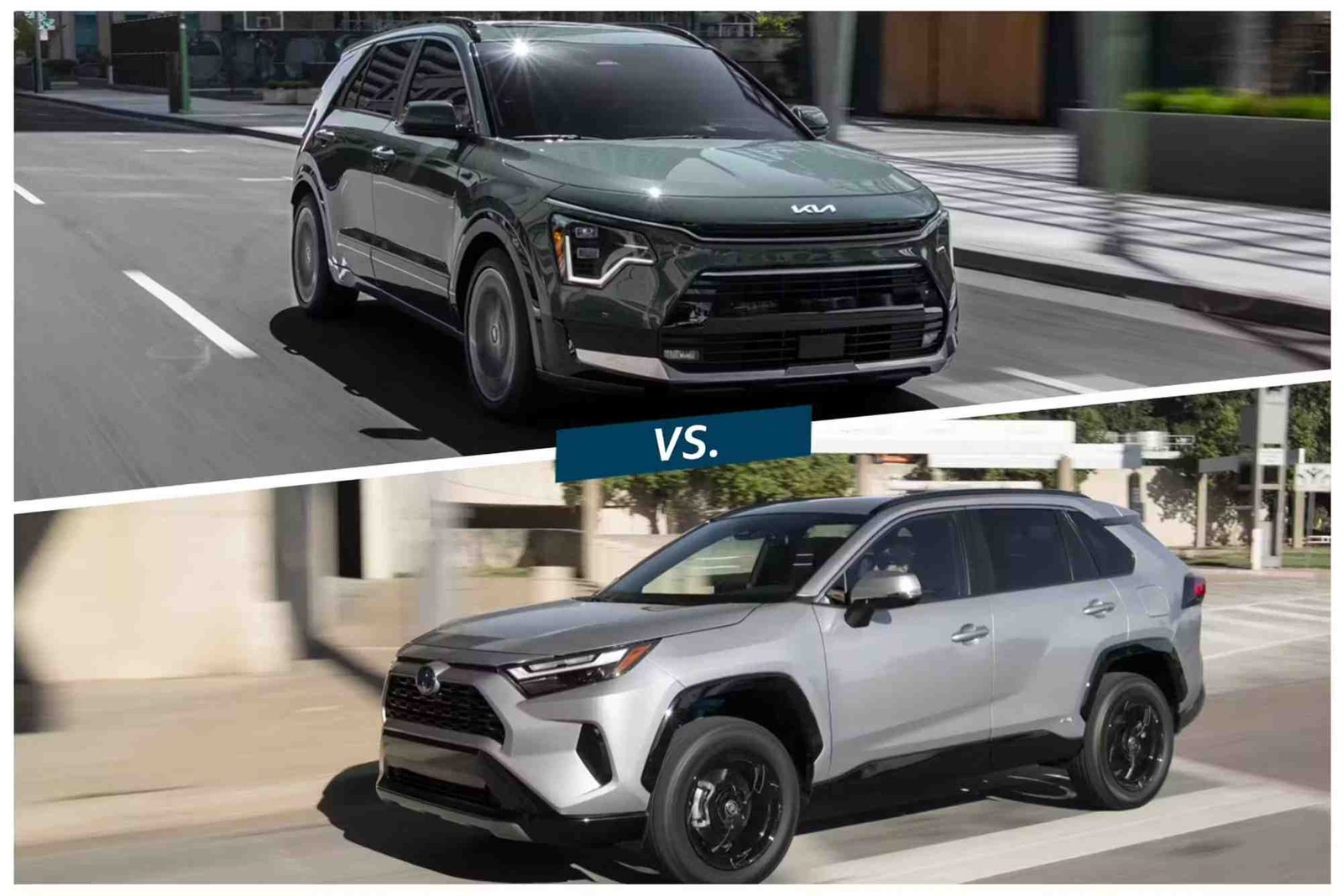
Understanding the differences between electric, hybrid, and plug-in hybrid cars is essential for modern car buyers. Each type offers unique benefits and challenges, impacting cost, convenience, and environmental footprint.
What Are Electric Cars?
Electric cars, or EVs, run entirely on electricity. They have no gasoline engine and rely on battery power.
How Electric Cars Work
EVs use large battery packs that power an electric motor. Drivers charge them via home outlets or public charging stations. Modern EVs can travel 200-400 miles per charge.
Benefits of Electric Cars
- Zero emissions: Electric cars produce no tailpipe pollution.
- Lower operating costs: Electricity is cheaper than gas, and maintenance is minimal.
- Quiet and smooth: EVs offer silent operation and smooth acceleration.
Drawbacks of Electric Cars
- Limited range: Some EVs need frequent charging on long trips.
- Charging time: Full charging can take hours, though fast chargers help.
- Higher upfront cost: EVs tend to be more expensive than gas cars.
What Are Hybrid Cars?
Hybrid cars combine a gasoline engine with a small electric motor. The battery charges automatically through regenerative braking and engine power.
How Hybrid Cars Work
Hybrids switch between gasoline and electric power to improve fuel efficiency. The electric motor assists the engine, reducing fuel consumption.
Benefits of Hybrid Cars
- Fuel efficiency: Hybrids save fuel compared to traditional cars.
- Lower emissions: Reduced reliance on gasoline lowers emissions.
- No charging required: The battery charges itself while driving.
Drawbacks of Hybrid Cars
- Complex systems: Combining electric and gasoline systems can increase maintenance complexity.
- Limited electric-only range: Most hybrids can drive only a few miles on electric power.
- Moderate fuel savings: Not as efficient as plug-in hybrids for long electric trips.
What Are Plug-in Hybrid Cars?
Plug-in hybrids (PHEVs) combine features of hybrids and EVs. They have larger batteries that can be charged via an outlet for extended electric-only driving.
How Plug-in Hybrids Work
PHEVs operate on electric power first, switching to gasoline when the battery depletes. Drivers can recharge at home or public stations.
Benefits of Plug-in Hybrids
- Extended electric range: Typically 20-50 miles of electric-only driving.
- Lower fuel costs: You can use electricity for daily commuting.
- Flexible travel: Gasoline backup removes range anxiety.
Drawbacks of Plug-in Hybrids
- Higher cost: More expensive than standard hybrids.
- Charging needed: To maximize benefits, regular charging is required.
- Heavier vehicles: Extra battery weight can slightly reduce performance.
Key Differences Between Electric, Hybrid, and Plug-in Hybrid Cars
Power Source
- Electric cars: Fully battery-powered.
- Hybrids: Gas engine plus small electric motor.
- Plug-in hybrids: Gas engine plus large rechargeable battery.
Range and Refueling
- EVs: Limited by battery; need charging stations.
- Hybrids: Gas tank allows long trips; no charging needed.
- PHEVs: Short electric range; gasoline extends travel distance.
Environmental Impact
- EVs: Zero tailpipe emissions.
- Hybrids: Lower emissions than gas cars.
- PHEVs: Reduced emissions with frequent electric use.
Cost Considerations
- EVs: High upfront, low operating costs.
- Hybrids: Moderate upfront, better fuel economy.
- PHEVs: Higher upfront than hybrids; moderate fuel savings.
Choosing the Right Option
Daily Commuting
EVs are ideal for short daily drives if charging is convenient. PHEVs offer electric driving with gas backup. Hybrids save fuel without charging.
Long-Distance Travel
Hybrids and PHEVs excel here due to gasoline range. EVs require careful planning or fast charging stops.
Budget and Incentives
Consider total cost of ownership, including incentives for EVs and PHEVs, fuel savings, and maintenance costs.
How to Fix Dim Car Lights – Dim car lights can reduce visibility and safety on the road. To fix them, start by checking and cleaning the headlight lenses, replacing old bulbs with brighter ones, and inspecting the wiring and battery connections. Regular maintenance ensures your headlights shine brightly and keep you safe while driving.
FAQ
What is the main difference between electric and hybrid cars?
Electric cars run entirely on batteries, while hybrids combine a gas engine with a small electric motor.
Can plug-in hybrids drive like electric cars?
Yes, PHEVs can operate solely on electric power for short distances before switching to gasoline.
Are electric cars cheaper to maintain?
Generally, yes. EVs have fewer moving parts, no oil changes, and less frequent maintenance.
Do hybrids need charging?
No, standard hybrids charge their batteries through driving and regenerative braking.
Which car type is most eco-friendly?
Fully electric cars produce zero tailpipe emissions, making them the most environmentally friendly.
Understanding the difference between electric, hybrid, and plug-in hybrid cars helps you make informed choices. Consider daily driving, range needs, budget, and environmental goals. Whether you choose EVs, hybrids, or PHEVs, the right choice can save money and reduce emissions. Explore your options and take the next step toward smarter, cleaner driving.
Compare the latest EV, hybrid, and plug-in hybrid models today and find the one that fits your lifestyle and budget.
