
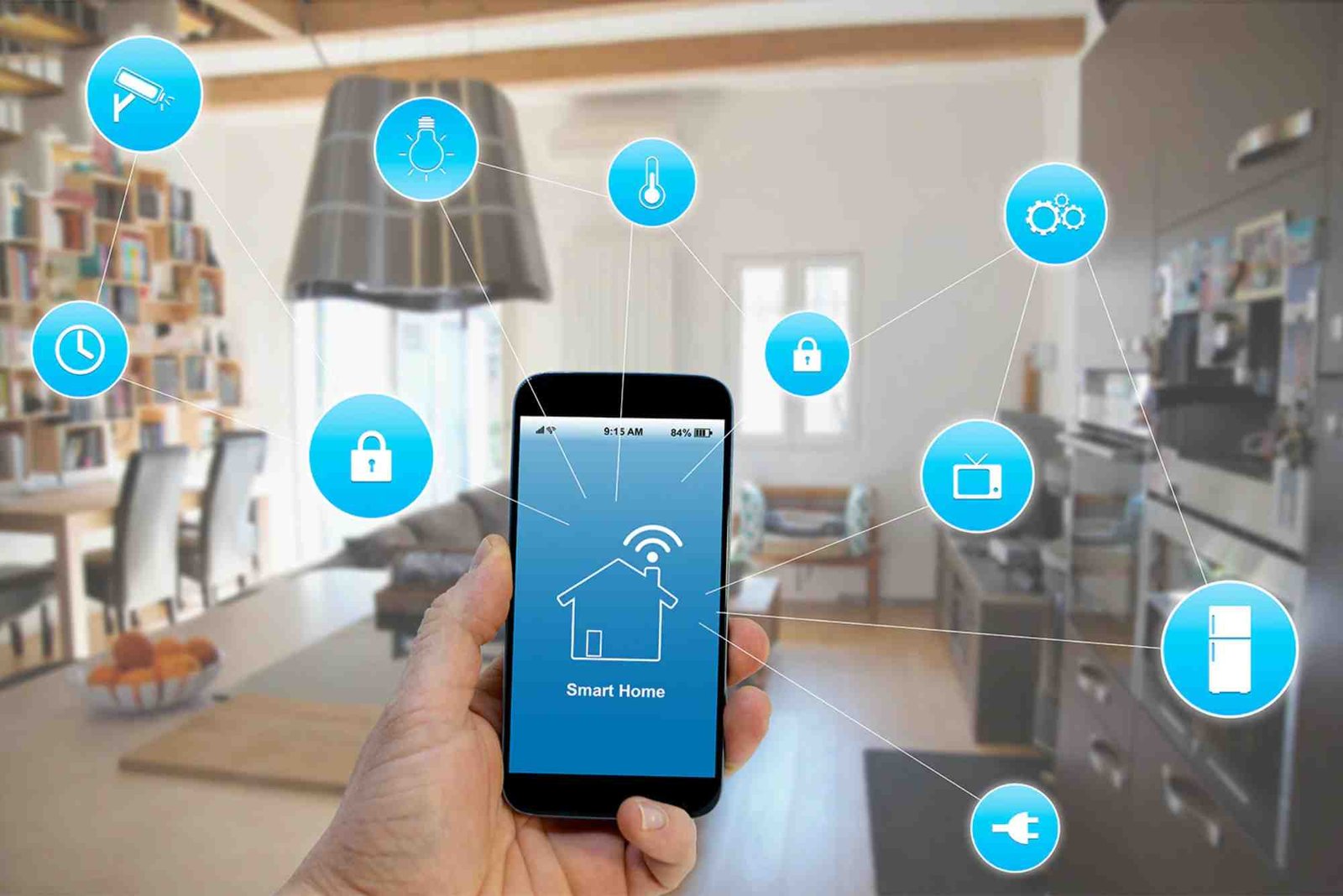
Smart homes are no longer a futuristic concept. With rapid advancements in technology, even beginners can turn their homes into smart hubs. The right devices can simplify daily routines, increase home security, and improve energy efficiency. If you are new to smart home technology, selecting the right devices can feel overwhelming. This guide breaks down the best smart home device recommendations for beginners, ensuring a smooth start without feeling intimidated.
Why Smart Home Devices Are Ideal for Beginners
Smart home devices provide convenience, security, and energy savings. For beginners, the most important factors are ease of use, compatibility, and affordability. Devices that integrate with voice assistants like Amazon Alexa, Google Assistant, or Apple HomeKit offer a seamless experience. Beginners benefit from devices that are easy to install, require minimal setup, and offer immediate value. Investing in beginner-friendly smart home devices ensures you get a positive first experience, encouraging further exploration.
Smart Speakers and Voice Assistants
Voice-controlled smart speakers are often the starting point for any smart home setup. They allow beginners to control devices hands-free and perform daily tasks efficiently. Popular options include Amazon Echo, Google Nest Audio, and Apple HomePod Mini. These devices provide access to weather updates, reminders, music, and smart home control. Beginners appreciate the simplicity of using voice commands to control multiple devices without navigating complicated apps.
Smart Lighting for Easy Automation
Smart lighting is one of the easiest ways to start automating your home. Devices like smart bulbs and smart switches allow you to adjust brightness, color, and schedules from your phone or voice assistant. Beginners can start with a few bulbs in key areas such as the living room or bedroom. Smart lighting offers energy savings, mood enhancement, and home security benefits. Setting schedules to turn lights on and off automatically can make your home appear occupied, reducing the risk of break-ins.
Smart Plugs for Everyday Convenience
Smart plugs are ideal for beginners who want to control traditional devices. They are easy to install and allow you to automate appliances like lamps, coffee makers, or fans. With a smart plug, you can set schedules, monitor energy usage, and control devices remotely. Beginners enjoy the flexibility of adding smart functionality without replacing existing appliances. These devices also provide cost-effective entry points into the smart home ecosystem.
Smart Thermostats for Energy Efficiency
For beginners interested in energy savings, smart thermostats are a practical choice. Devices like the Nest Thermostat or Ecobee adjust heating and cooling based on your schedule and preferences. Beginners can program temperature settings easily through apps or voice commands. These thermostats help reduce energy bills while maintaining comfort. Some smart thermostats even learn your habits over time, optimizing energy usage automatically.
Smart Security Systems for Peace of Mind
Home security is a priority for many beginners entering the smart home world. Smart security devices include cameras, doorbells, and motion sensors. Products such as Ring Doorbell, Arlo cameras, and SimpliSafe kits provide real-time monitoring and alerts. Beginners benefit from systems that are easy to install and integrate with smartphones. With smart security, you can monitor your home remotely, ensuring peace of mind whether at work or on vacation.
Smart Sensors for Safety and Automation
Smart sensors detect movement, temperature changes, or water leaks, providing automated responses. Beginners can use sensors to trigger lights, alerts, or other smart devices. For instance, a door sensor can turn on lights when opened, and water leak sensors can alert you to prevent damage. These devices are small but significantly improve safety and convenience in the home. Beginners appreciate their subtle yet effective contribution to a smarter environment.
Smart Hubs for Unified Control
A smart hub centralizes device management, making it ideal for beginners with multiple devices. Hubs like Samsung SmartThings or Apple HomeKit allow different devices to communicate seamlessly. Beginners benefit from simplified control, scene creation, and automation routines. A hub reduces the need to manage multiple apps and ensures all devices work together efficiently. For beginners, investing in a hub provides long-term flexibility and scalability.
Smart Appliances for Everyday Ease
Smart appliances, including refrigerators, washing machines, and ovens, bring convenience to daily routines. Beginners can start small, with devices like smart coffee makers or robot vacuums. These appliances save time, improve efficiency, and integrate with voice assistants or smartphone apps. For example, a robot vacuum can clean your home on a schedule, while a smart coffee maker can start brewing before you wake up. These practical devices make the smart home lifestyle tangible for beginners.
Smart Entertainment for Modern Living
Smart entertainment devices enhance leisure time and offer convenient control. Smart TVs, streaming devices, and speakers allow beginners to access content, control media with voice commands, and integrate with other smart devices. Products like Amazon Fire TV, Roku, or Apple TV are beginner-friendly. Integration with smart home setups enables routines such as dimming lights and starting a movie simultaneously, creating an immersive experience.
Tips for Beginners Choosing Smart Home Devices
When selecting smart home devices, beginners should prioritize simplicity, compatibility, and support. Choose devices with clear installation guides, reliable customer support, and positive reviews. Start with one category, such as lighting or security, and expand gradually. Avoid devices that require complex configurations initially. Beginners often find success by focusing on devices that offer immediate benefits and enhance daily life.
How to Set Up a Beginner-Friendly Smart Home
Start with a small set of essential devices and integrate them with a voice assistant. Gradually add smart lighting, plugs, and sensors to expand functionality. Create automation routines to simplify daily tasks. For example, set morning routines where lights gradually turn on, coffee brews, and your thermostat adjusts. Beginners should also ensure their Wi-Fi network is strong and secure to maintain device performance. Testing devices individually before integrating them helps prevent frustration.
Common Beginner Mistakes and How to Avoid Them
One common mistake is buying too many devices at once. Beginners may feel overwhelmed by setup and management. Instead, start small and expand gradually. Another mistake is ignoring compatibility. Ensure devices work with your existing smart hub or voice assistant. Finally, beginners often overlook firmware updates, which are crucial for security and performance. Keeping devices updated prevents vulnerabilities and ensures smooth operation.
Benefits of a Smart Home for Beginners
Smart homes enhance convenience, safety, and energy efficiency. Beginners gain control over home functions with simple commands or automated routines. Smart devices save time, reduce energy bills, and provide peace of mind. The learning curve is minimal when starting with beginner-friendly products, and the flexibility allows gradual expansion. Over time, smart homes evolve to meet the unique needs of their users, making life easier and more enjoyable.
Smart home devices provide beginners with an exciting opportunity to simplify life, improve security, and save energy. Starting with essential devices like smart speakers, lighting, plugs, and security systems ensures a smooth and rewarding experience. By prioritizing simplicity, compatibility, and gradual expansion, beginners can create a smart home that meets their needs. Start small, experiment, and enjoy the convenience and efficiency a smart home brings. Transform your home today and experience the future of living.
Slow internet can be frustrating, especially when working or streaming at home. Luckily, there are practical ways to improve your connection. Learn effective tips and tricks to boost your home network performance in this guide on how to optimize internet speed at home. For more details, check out the full steps here.
FAQs
What is the easiest smart home device for beginners?
Smart speakers and voice assistants are ideal starting points due to their simple setup and broad compatibility.
Do I need a hub for a smart home?
Not always, but a hub helps unify multiple devices and simplifies control, especially as your setup grows.
Can smart plugs save energy?
Yes, smart plugs allow you to schedule devices and monitor energy usage, helping reduce electricity costs.
Are smart security devices hard to install?
Most beginner-friendly security devices, like cameras and doorbells, are designed for easy DIY installation.
Which smart home device offers the best convenience?
Smart lighting and smart plugs provide immediate convenience by automating daily routines and enhancing control.
