
Introduction
In today’s fast-paced world, convenience is a top priority for consumers, and the beverage industry has adapted remarkably. One of the fastest-growing segments is RTD, or Ready-to-Drink products. These beverages cater to busy lifestyles, offering both quality and convenience without sacrificing taste or nutrition. From energy drinks to coffee and cocktails, RTD products have captured the attention of people seeking instant refreshment and reliable flavor. The global market for RTD beverages is expanding rapidly, driven by changing consumer habits, urbanization, and an increasing preference for on-the-go options.
The appeal of RTD products lies in their versatility. Whether you need a morning boost, a midday refreshment, or a social drink in the evening, there is an RTD option designed to meet your needs. These products are not only convenient but also often crafted to cater to specific dietary preferences, such as low sugar, vegan, or high-protein formulas. With innovation in flavors, packaging, and functionality, the RTD sector continues to grow and evolve.
Understanding RTD Products
What Are RTD Beverages?
RTD beverages are pre-mixed drinks packaged in bottles, cans, or cartons, ready for immediate consumption. Unlike traditional drinks that require preparation, RTD products are designed for instant use. They include a wide range of beverages, from coffee and tea to soft drinks, juices, alcoholic cocktails, and energy drinks. The RTD format provides convenience without compromising on flavor or quality, making it an appealing choice for consumers with busy routines.
Market Growth and Popularity
The RTD beverage market has experienced remarkable growth over the past decade. According to industry reports, urban populations and the rise of on-the-go lifestyles have significantly contributed to this trend. Consumers increasingly seek beverages that combine health benefits with convenience, such as fortified drinks, functional beverages, and ready-to-drink coffees and teas. Social media and influencer culture have also amplified the visibility of innovative RTD products, making them aspirational yet accessible.
Key Factors Driving RTD Popularity
Convenience
Convenience is the primary driver of RTD beverage popularity. Modern consumers often have little time to prepare drinks, and RTD products provide a hassle-free solution. With ready-to-consume packaging, there’s no need for brewing, blending, or mixing. This is particularly appealing to office-goers, students, travelers, and busy parents.
Health and Functional Benefits
Health-conscious consumers are turning to RTD products that offer more than just hydration. Many RTD beverages are fortified with vitamins, minerals, and other functional ingredients. From protein shakes and antioxidant-rich teas to probiotic drinks and energy boosters, these beverages combine refreshment with wellness benefits, appealing to a wide demographic.
Flavor Variety and Innovation
The RTD market thrives on innovation. Companies continuously introduce new flavors, formulations, and ingredients to attract consumers. Exotic flavors, seasonal editions, and limited-time offerings create excitement and encourage repeat purchases. Unique flavor profiles combined with functional benefits make RTD products highly desirable.
Packaging and Portability
Modern RTD packaging is designed for portability and convenience. Sleek bottles, cans, and cartons are lightweight, easy to store, and environmentally conscious. Many brands also use recyclable or biodegradable packaging, appealing to eco-conscious consumers. Innovative packaging, such as resealable bottles or ready-to-pour cartons, enhances usability and extends shelf life.
Popular Categories of RTD Products
Ready-to-Drink Coffee
Coffee lovers increasingly prefer RTD coffee beverages that deliver café-quality taste without preparation. These include cold brews, lattes, cappuccinos, and specialty flavored coffees. RTD coffee appeals to morning commuters, office workers, and students seeking a quick energy boost.
Ready-to-Drink Tea
RTD teas are another widely consumed segment, offering a healthy and refreshing alternative to carbonated drinks. Options include green tea, black tea, herbal infusions, and functional teas with added vitamins or antioxidants. Sweetened or unsweetened varieties cater to diverse taste preferences.
Energy Drinks
Energy drinks remain a staple in the RTD market, providing quick energy and alertness. Popular among young adults, athletes, and professionals, these drinks often contain caffeine, taurine, or other stimulants. Innovation in flavors and sugar-free options has further expanded their appeal.
Alcoholic RTD Beverages
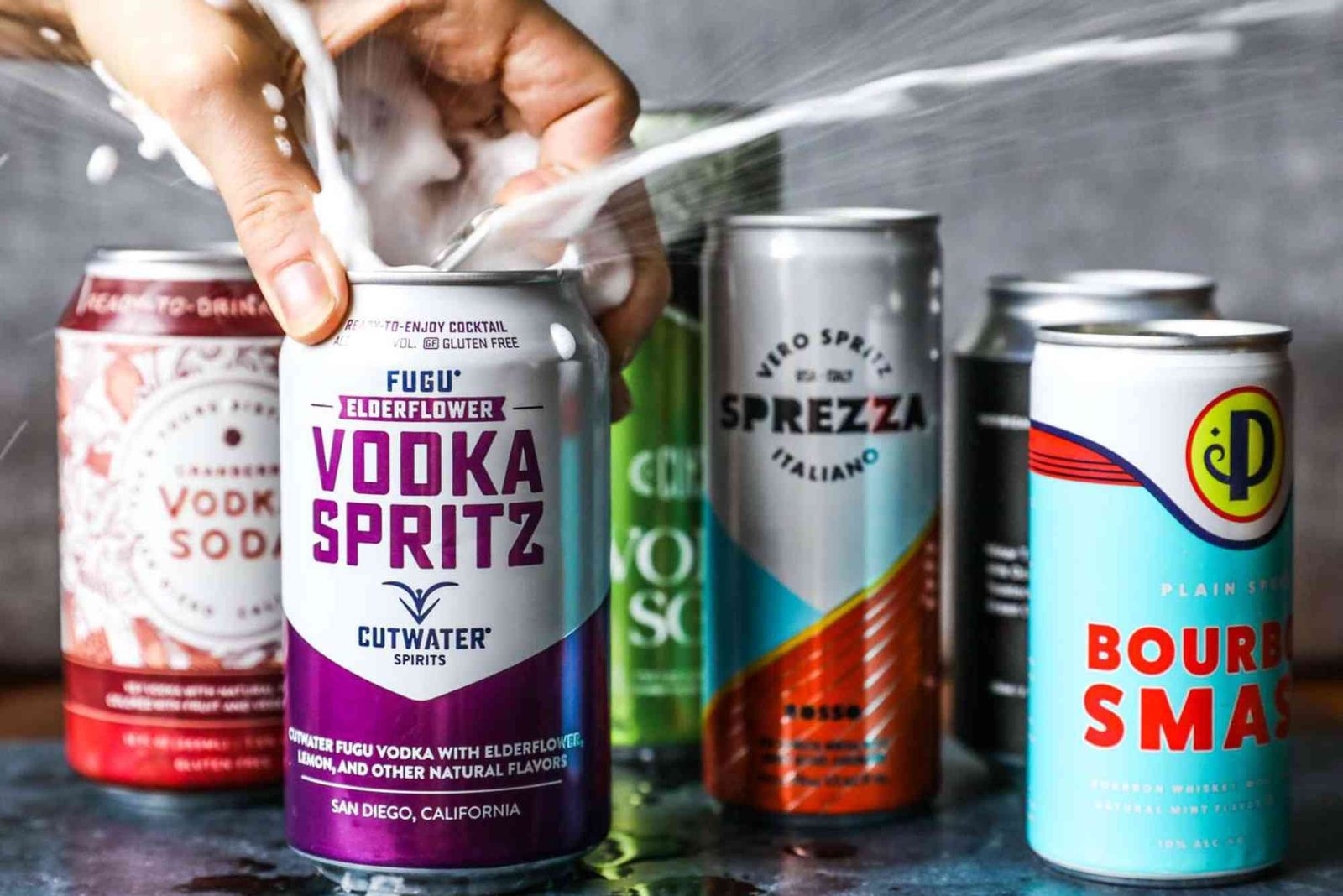
RTD cocktails and alcoholic drinks have gained significant traction in recent years. They offer the convenience of a pre-mixed cocktail without requiring bar tools or professional knowledge. RTD alcoholic products include gin and tonic, vodka-based drinks, hard seltzers, and spiked teas or coffees. These beverages have become popular in social gatherings, outdoor events, and casual home consumption.
Functional and Nutritional Beverages
Health-oriented RTD products are booming, targeting consumers interested in fitness and wellness. These include protein shakes, meal replacement drinks, fortified smoothies, and electrolyte beverages. Functional RTDs cater to specific health needs, such as muscle recovery, immune support, hydration, and mental alertness.
Consumer Trends in RTD Products
On-the-Go Consumption
Urbanization and busy schedules have significantly influenced the consumption patterns of RTD beverages. Consumers prefer grab-and-go options available at convenience stores, cafes, and supermarkets. Ready availability, portability, and fast consumption are key factors driving this trend.
Social Media Influence
Social media has transformed the RTD market by creating trends and increasing brand awareness. Influencers and user-generated content showcase unique beverages, flavors, and packaging. Viral RTD products often see a surge in demand, reflecting the power of digital marketing in shaping consumer choices.
Health and Wellness Focus
Modern consumers prioritize health and nutrition, pushing brands to innovate with natural ingredients, reduced sugar, and functional benefits. Products that emphasize wellness, clean labels, and organic components are increasingly popular.
Sustainability and Ethical Practices
Eco-conscious consumers increasingly evaluate brands based on sustainability practices. Companies using recyclable packaging, ethically sourced ingredients, and environmentally friendly production processes are gaining a competitive edge. Sustainable RTD products attract buyers who want convenience without compromising values.
Advantages of RTD Beverages
Time-Saving
RTD beverages save valuable time, especially for busy professionals, students, and travelers. With no preparation required, consumers can enjoy quality drinks instantly.
Consistency in Quality
Unlike homemade drinks, RTD products offer consistent flavor, formulation, and quality. This ensures a reliable experience with every purchase, building trust among consumers.
Accessibility
RTD products are widely available in supermarkets, cafes, gas stations, and online platforms. Their widespread distribution ensures that consumers can access their favorite drinks anytime, anywhere.
Versatility
The versatility of RTD beverages caters to different occasions and needs. They can serve as morning energy boosters, midday refreshers, workout companions, or social drinks, appealing to diverse consumer segments.
Challenges in the RTD Market
Despite their popularity, RTD beverages face certain challenges. High competition leads to constant innovation pressure, while regulatory compliance can be complex, especially for alcoholic and functional drinks. Additionally, consumer demand for clean labels and natural ingredients requires careful sourcing and production. Balancing convenience, health, taste, and sustainability remains a critical challenge for brands.
Most Popular RTD (Ready-to-Drink) Products have transformed the beverage industry by combining convenience, quality, and innovation. They cater to modern lifestyles, addressing diverse needs such as energy, wellness, refreshment, and social enjoyment. The popularity of RTD products continues to rise due to their versatility, health benefits, and on-the-go convenience. For consumers seeking quick and reliable beverage options, RTD drinks are an ideal choice.
As the market evolves, brands that prioritize flavor innovation, functional benefits, and sustainability will continue to lead the segment. Whether you are looking for a morning pick-me-up, a fitness companion, or a social drink, exploring RTD beverages can enhance your daily routine.
If you haven’t tried an RTD beverage yet, now is the perfect time to discover your favorite. From coffee and tea to functional shakes and cocktails, the options are endless. Embrace convenience without compromising on taste and health today.
Understanding FMCG market trends is crucial for businesses to stay competitive. By analyzing consumer behavior, sales data, and emerging product patterns, companies can identify opportunities and make informed decisions. Tracking seasonal shifts, competitor strategies, and digital engagement helps predict demand and optimize marketing efforts. Learning how to analyze FMCG market trends empowers brands to innovate, improve product offerings, and maximize growth effectively.
FAQ
What does RTD stand for in beverages?
RTD stands for Ready-to-Drink, referring to beverages that are pre-mixed and packaged for immediate consumption.
Are RTD drinks healthier than homemade drinks?
RTD drinks vary in health benefits. Many are fortified with vitamins, protein, or antioxidants, but sugar content should be checked.
Can I find alcoholic RTD beverages easily?
Yes, RTD alcoholic drinks like pre-mixed cocktails and hard seltzers are widely available in stores and online.
Why are RTD drinks so popular?
Convenience, portability, flavor variety, and functional benefits make RTD beverages highly popular among modern consumers.
Are RTD products environmentally friendly?
Many brands now use recyclable or biodegradable packaging, appealing to eco-conscious consumers.
