
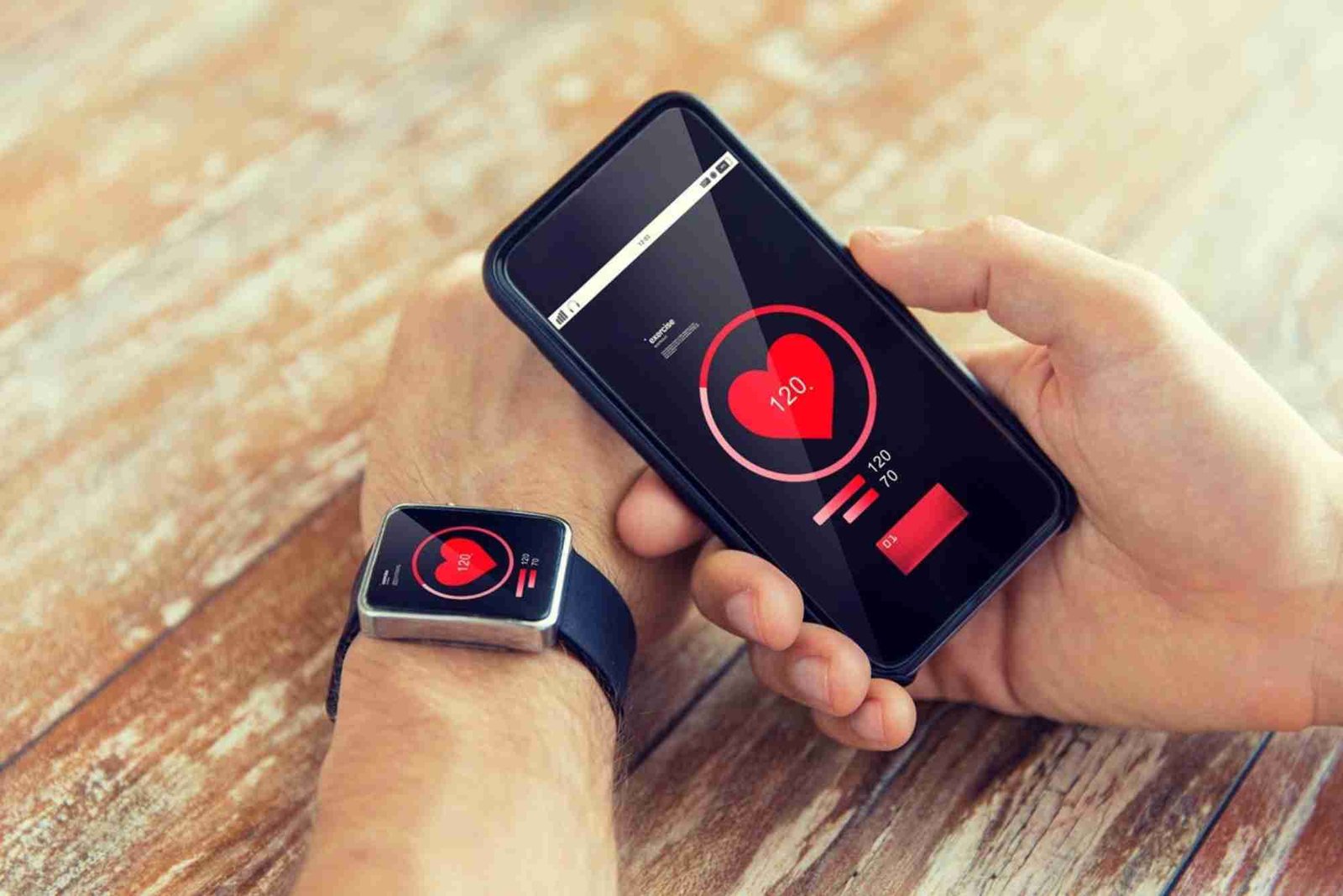
The development of wearable technology in the world has transformed how we interact with digital devices and monitor our daily activities. From fitness trackers to smart glasses, wearable devices have become an integral part of modern life. This technology blends convenience, health monitoring, and communication, creating a seamless connection between the physical and digital worlds. Over the years, wearable technology has evolved rapidly, driven by innovations in sensors, connectivity, and artificial intelligence.
History of Wearable Technology
Early Innovations
Wearable technology started as simple devices designed to assist humans in daily tasks. Early examples include wristwatches in the 20th century and calculators worn on the wrist. These devices were limited in function but laid the groundwork for more complex wearable solutions.
Introduction of Fitness Trackers
The early 2000s saw the emergence of wearable fitness trackers. Devices like pedometers and heart rate monitors became popular for personal health tracking. These devices collected basic data on steps, distance, and calories burned, helping users adopt healthier lifestyles.
Smartwatches and Multifunctional Devices
Smartwatches revolutionized wearable technology by integrating multiple functions, including notifications, music control, and fitness tracking. Brands like Apple and Samsung introduced devices that combined style with technology, expanding wearables beyond niche users.
Current Trends in Wearable Technology
Health and Fitness Monitoring
Modern wearables provide advanced health tracking. Devices can monitor heart rate, blood pressure, sleep patterns, and even detect irregular heart rhythms. This technology empowers users to manage their health proactively.
Augmented and Virtual Reality Wearables
AR and VR devices have redefined wearable technology in entertainment and professional applications. Smart glasses and VR headsets offer immersive experiences for gaming, training, and virtual collaboration.
Integration with Smartphones and IoT
Wearables are increasingly connected to smartphones and IoT ecosystems. This integration enables real-time notifications, remote control of smart home devices, and seamless data sharing between devices.
Fashion Meets Technology
Wearable devices are no longer purely functional; they are fashion statements. Designers collaborate with tech companies to create stylish wearables that complement daily outfits, proving that technology can be both functional and aesthetic.
Benefits of Wearable Technology
Health and Wellness
Wearables encourage healthier habits by providing personalized feedback and reminders. They support preventive healthcare, helping users detect early signs of health issues.
Productivity and Convenience
Wearable devices streamline daily routines by offering quick access to notifications, reminders, and communication tools without needing to check a phone.
Safety and Security
Some wearables enhance personal safety, offering GPS tracking, fall detection, and emergency alerts. This is particularly useful for children, elderly individuals, and outdoor enthusiasts.
Data-Driven Insights
Wearables generate valuable data that can inform healthcare providers, improve fitness programs, and optimize lifestyle choices. The continuous collection of data enhances personal and professional decision-making.
Challenges in Wearable Technology
Privacy and Data Security
The collection of personal health and activity data raises privacy concerns. Ensuring secure storage and responsible use of data remains a top priority for manufacturers.
Battery Life and Performance
Wearables require long-lasting batteries for continuous monitoring. Developers face the challenge of balancing device size, performance, and battery efficiency.
Compatibility and Standardization
With numerous devices and platforms, ensuring compatibility between wearables and other technology systems is essential for a seamless user experience.
Cost and Accessibility
High-end wearable devices can be expensive, limiting access for some users. Affordable alternatives are necessary to expand adoption globally.
Future of Wearable Technology
Enhanced Health Monitoring
Future wearables may include non-invasive glucose monitoring, hydration tracking, and advanced cardiovascular analysis. These devices could revolutionize chronic disease management.
AI and Machine Learning Integration
Artificial intelligence will enable wearables to provide predictive insights, personalized recommendations, and adaptive functionality tailored to individual users.
Smart Clothing and Embedded Technology
Clothing with embedded sensors will track movement, posture, and environmental exposure. This innovation merges fashion with functionality in a more integrated form.
Expanding Applications in Industry and Education
Wearables are finding applications in industries like manufacturing, logistics, and education. AR glasses can guide workers through complex tasks, and wearable devices can facilitate interactive learning experiences.
Impact of Wearable Technology on Society
Wearable technology has reshaped how people interact with their environment and manage their health. Increased awareness of personal health metrics has led to lifestyle changes and improved wellbeing. Additionally, wearables have transformed communication and work, promoting efficiency and real-time connectivity. As adoption grows, wearable technology is likely to influence public health policies, workplace standards, and entertainment trends.
The development of wearable technology in the world continues to accelerate, bridging the gap between the digital and physical worlds. From health monitoring to immersive AR experiences, wearables offer convenience, insight, and innovation. Embracing this technology can enhance personal wellbeing, productivity, and lifestyle. Stay updated with wearable innovations to harness their full potential in daily life.
Take the next step by exploring the latest wearable devices and integrating them into your routine today.
Balio.id – Balio.id is your go-to platform for insightful lifestyle tips, travel guides, and the latest trends. From wellness advice to inspiring destinations, Balio.id delivers content that enriches your daily life, helping you explore, relax, and live smarter. Stay updated and make every day more vibrant with Balio.id.
FAQ
What is wearable technology?
Wearable technology refers to electronic devices worn on the body that monitor, track, or enhance user activities. Examples include smartwatches and fitness trackers.
How has wearable technology evolved over the years?
Wearables evolved from simple devices like wristwatches to multifunctional smartwatches and advanced health-monitoring devices. Integration with AI and IoT has accelerated this growth.
Are wearable devices safe for health monitoring?
Most wearables are safe for daily use and provide valuable health insights. However, users should consult healthcare professionals for critical health decisions.
What industries benefit from wearable technology?
Healthcare, fitness, education, manufacturing, and entertainment benefit from wearables, improving efficiency, safety, and user engagement.
What is the future of wearable technology?
The future includes advanced health monitoring, AI-driven personalization, smart clothing, and wider adoption across industries for productivity and safety.
Can wearable technology replace smartphones?
While wearables complement smartphones, they are not a full replacement. They provide quick access and monitoring but rely on smartphones for more complex tasks.
