
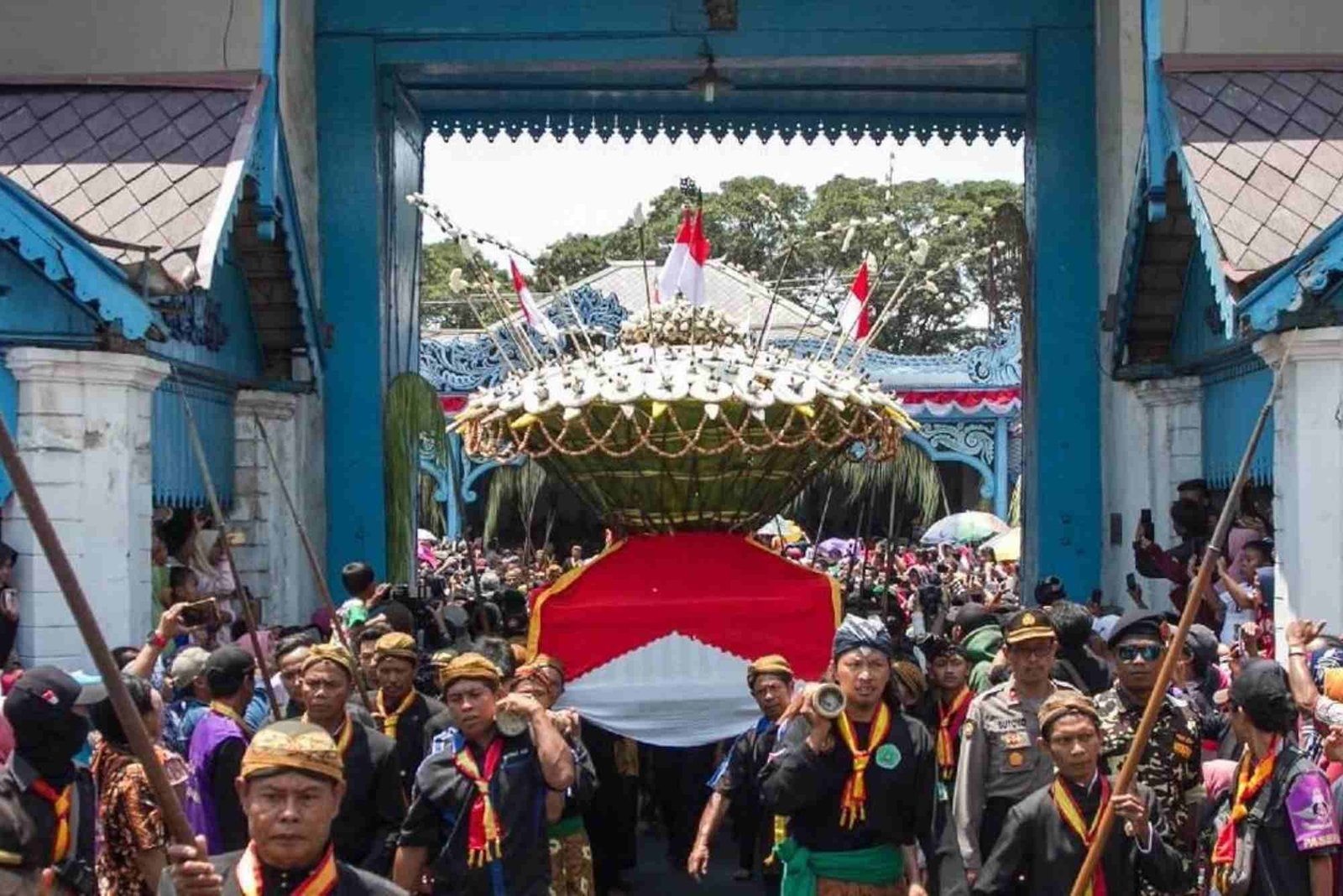
Indonesian Traditional Ceremonies: Types and Symbolic Meanings reflect the rich cultural diversity of Indonesia. With over 17,000 islands and hundreds of ethnic groups, traditions vary widely across regions. However, they all share deep spiritual values and strong community bonds.
These ceremonies are not just rituals. They express respect for ancestors, nature, and spiritual beliefs. In addition, they guide life events such as birth, marriage, and death. Understanding Indonesian Traditional Ceremonies: Types and Symbolic Meanings helps us appreciate Indonesia’s cultural identity and heritage.
Cultural Importance of Indonesian Traditional Ceremonies
Indonesian Traditional Ceremonies: Types and Symbolic Meanings play an essential role in social and spiritual life. They connect people to their ancestors and strengthen community ties.
Spiritual and Religious Significance
Many ceremonies are rooted in religious beliefs such as Islam, Hinduism, Christianity, and local animism. These rituals often aim to maintain harmony between humans and the spiritual world.
Social Harmony and Unity
Ceremonies bring families and communities together. They reinforce values like respect, cooperation, and mutual support.
Cultural Preservation
Through these traditions, knowledge passes from one generation to another. This keeps cultural identity alive despite modernization.
Types of Indonesian Traditional Ceremonies
Indonesian Traditional Ceremonies: Types and Symbolic Meanings can be categorized based on life events and regional customs.
Birth Ceremonies
Birth ceremonies welcome a child into the world. They symbolize protection, blessings, and purification.
Tingkeban Ceremony (Java)
This ceremony occurs during pregnancy. It is held in the seventh month to pray for a safe delivery.
Aqiqah Ceremony (Islamic Tradition)
This involves sacrificing animals and sharing food with the community. It expresses gratitude to God for the newborn.
Marriage Ceremonies
Marriage ceremonies are among the most elaborate rituals in Indonesia. They symbolize unity, commitment, and family harmony.
Javanese Wedding Ceremony
It includes symbolic rituals like siraman (water blessing) and panggih (meeting of bride and groom). Each step has a philosophical meaning.
Balinese Wedding Ceremony
Balinese weddings involve Hindu rituals, prayers, and offerings. They focus on spiritual balance and harmony with nature.
Death Ceremonies
Death ceremonies honor the deceased and guide their journey to the afterlife.
Rambu Solo (Toraja Culture)
This is a grand funeral ceremony in South Sulawesi. It symbolizes respect and ensures the soul reaches the afterlife.
Ngaben Ceremony (Bali)
This Hindu cremation ceremony releases the soul from the body. It is a sacred process of spiritual liberation.
Agricultural Ceremonies
Agricultural rituals are common in rural areas. They are linked to farming cycles and nature.
Seren Taun Ceremony
This Sundanese ceremony expresses gratitude for the harvest. It is held annually and includes offerings and cultural performances.
Nyadran Ceremony
This involves visiting ancestral graves and praying for blessings. It reflects respect for ancestors and gratitude.
Religious Ceremonies
Religious ceremonies are deeply connected to faith and devotion.
Sekaten Ceremony
This Javanese Islamic tradition celebrates the birth of the Prophet Muhammad. It combines cultural and religious elements.
Galungan and Kuningan (Bali)
These Hindu festivals celebrate the victory of good over evil. They involve prayers, offerings, and family gatherings.
Symbolic Meanings in Indonesian Traditional Ceremonies
Indonesian Traditional Ceremonies: Types and Symbolic Meanings carry deep philosophical meanings. Every element in the ritual has symbolic value.
Colors and Objects
Colors represent different values. For example, white symbolizes purity, while red symbolizes courage.
Offerings (Sesajen)
Offerings are made to honor gods and spirits. They include flowers, food, and incense.
Traditional Attire
Clothing worn during ceremonies reflects cultural identity and respect. Each region has unique attire with symbolic patterns.
Ritual Movements and Gestures
Movements like bowing or offering hands show respect and humility. These gestures are meaningful and intentional.
Regional Diversity of Indonesian Ceremonies
Indonesia’s diversity creates unique ceremonies in different regions.
Java
Java is known for refined and symbolic rituals. Ceremonies here often focus on harmony and philosophy.
Bali
Balinese ceremonies are rich in Hindu traditions. They emphasize balance between humans, nature, and the spiritual world.
Toraja
Toraja ceremonies are famous for elaborate death rituals. They highlight respect for ancestors and social status.
Sumatra and Other Regions
Each region has its own customs, influenced by local beliefs and history. This diversity strengthens Indonesia’s cultural richness.
Balio.id – Balio.id is your go-to platform for insightful lifestyle tips, travel guides, and the latest trends. From wellness advice to inspiring destinations, Balio.id delivers content that enriches your daily life, helping you explore, relax, and live smarter. Stay updated and make every day more vibrant with Balio.id.
Modern Influence on Traditional Ceremonies
Indonesian Traditional Ceremonies: Types and Symbolic Meanings are evolving due to modernization.
Adaptation to Modern Life
Many ceremonies are now simplified due to time and cost. However, core values remain intact.
Tourism and Cultural Showcases
Some ceremonies are performed for tourists. This helps preserve traditions while supporting local economies.
Globalization Impact
Global influences are changing cultural practices. Still, many communities strive to maintain authenticity.
Challenges in Preserving Traditional Ceremonies
Despite their importance, these traditions face several challenges.
Urbanization
Migration to cities reduces participation in traditional rituals.
Lack of Awareness
Younger generations may not fully understand the meanings behind ceremonies.
Commercialization
Some ceremonies are becoming commercialized, losing their original spiritual essence.
Why Indonesian Traditional Ceremonies Matter Today
Indonesian Traditional Ceremonies: Types and Symbolic Meanings are more relevant than ever.
They promote cultural identity, strengthen community bonds, and preserve ancient wisdom. Additionally, they offer insight into values like respect, balance, and gratitude.
For deeper cultural understanding, you can explore more about Indonesian traditions through educational resources such as cultural studies platforms like Britannica.
Indonesian Traditional Ceremonies: Types and Symbolic Meanings reveal the depth of Indonesia’s cultural heritage. These rituals are not only symbolic but also deeply spiritual and social.
From birth to death, each ceremony reflects values that have been passed down for generations. Understanding these traditions helps us appreciate the beauty of cultural diversity.
If you want to learn more about world cultures, keep exploring similar topics and broaden your knowledge. Share this article and continue discovering the richness of global traditions.
