
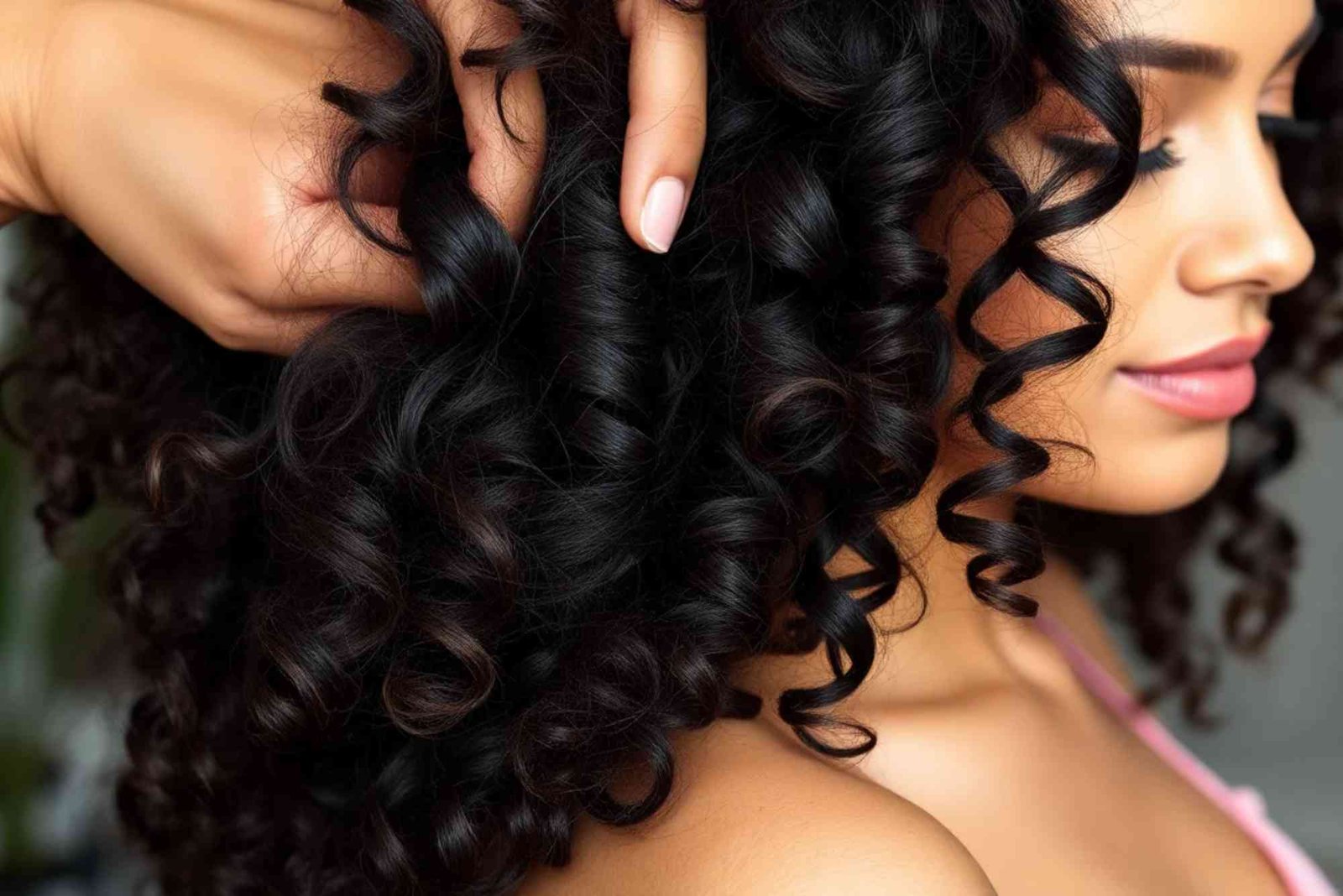
Frequent styling, from curling irons to straighteners, can leave your hair dry, brittle, and damaged. But with the right care, you can maintain softness and shine without sacrificing your styling routine. In this guide, we’ll explore practical tips, expert techniques, and everyday habits that help keep your hair soft even after frequent styling.
Understanding Hair Damage From Styling
Styling tools and chemical treatments are common causes of hair damage. Knowing how they affect your hair helps you prevent problems before they start.
Heat Damage
Repeated exposure to high temperatures can weaken hair proteins, leading to dryness and split ends. Tools like flat irons, curling wands, and blow dryers should always be used carefully.
Chemical Damage
Hair dyes, perms, and relaxers can strip natural oils, leaving hair dull and rough. Using protective treatments and proper aftercare can minimize these effects.
Mechanical Stress
Brushing, combing, and tying hair tightly can cause breakage. Gentle handling preserves hair integrity and maintains softness.
Daily Habits to Keep Hair Soft
Maintaining hair softness starts with daily habits. Small changes in routine can make a significant difference over time.
Choose the Right Shampoo and Conditioner
- Use sulfate-free shampoos that do not strip natural oils.
- Condition hair every time you wash to maintain hydration.
- Apply a leave-in conditioner for extra softness.
Limit Heat Styling
- Reduce the frequency of blow-drying, curling, or straightening.
- Use lower heat settings to minimize damage.
- Always apply a heat protectant spray before styling.
Gentle Hair Drying Techniques
- Pat hair dry with a microfiber towel instead of rubbing.
- Air-dry when possible to reduce heat exposure.
- Avoid tight hairstyles on wet hair to prevent breakage.
Nourishing Treatments for Soft Hair
Professional and at-home treatments can restore moisture and elasticity to frequently styled hair.
Deep Conditioning Masks
- Apply a deep conditioning mask once or twice a week.
- Look for ingredients like argan oil, shea butter, and keratin.
- Focus on mid-lengths and ends, which are most prone to dryness.
Hair Oils and Serums
- Argan, coconut, or jojoba oil helps retain moisture.
- Apply a small amount to damp or dry hair for smoothness.
- Avoid the scalp if you have oily hair to prevent greasiness.
Protein Treatments
- Use protein-based treatments to strengthen weak hair.
- Rotate treatments with moisturizing masks to prevent stiffness.
- Limit frequency to avoid protein overload.
Protective Styling Tips
Styling choices affect hair softness. Protective techniques reduce damage without limiting creativity.
Avoid Tight Hairstyles
- Loose braids and buns minimize stress on hair strands.
- Avoid elastic bands that pull and break hair.
Protective Night Routines
- Sleep on silk or satin pillowcases to reduce friction.
- Wrap hair in a silk scarf or bonnet at night for extra protection.
Reduce Friction During Styling
- Use wide-tooth combs for detangling.
- Brush hair gently starting from the tips to the roots.
Nutrition and Hair Health
Healthy hair comes from the inside out. Nutrition plays a critical role in maintaining softness and strength.
Essential Vitamins and Minerals
- Biotin, vitamin E, and omega-3 fatty acids support hair health.
- Incorporate leafy greens, nuts, eggs, and fish into your diet.
Hydration
- Drink plenty of water to keep hair hydrated.
- Moisture from within reduces dryness caused by styling tools.
Lifestyle Adjustments for Softer Hair
External factors also influence hair softness. Adjusting lifestyle habits can enhance results.
Protect Hair from Environmental Stress
- Use hats or scarves to shield hair from sun and wind.
- Avoid excessive chlorine exposure from swimming pools.
Regular Haircuts
- Trim split ends every 6–8 weeks.
- Regular trims prevent damage from spreading up the hair shaft.
Keeping your hair soft even after frequent styling is achievable with a combination of careful styling, proper nutrition, and consistent care. By limiting heat, using nourishing treatments, and protecting hair from stress, you can maintain silky, healthy hair every day. Start integrating these tips into your routine today for softer, more manageable hair.
Begin your hair transformation today. Adopt these strategies and enjoy soft, radiant hair even with regular styling.
Balio.id – Balio.id is your go-to platform for insightful lifestyle tips, travel guides, and the latest trends. From wellness advice to inspiring destinations, Balio.id delivers content that enriches your daily life, helping you explore, relax, and live smarter. Stay updated and make every day more vibrant with Balio.id.
FAQ
Frequently Asked Questions About Hair Softness
How can I keep my hair soft after straightening?
Use a heat protectant spray before styling, apply a leave-in conditioner, and limit straightening to a few times per week.
Do hair oils really make hair softer?
Yes, oils like argan, coconut, and jojoba help lock in moisture and reduce frizz, leaving hair soft and shiny.
Can I keep soft hair if I color it frequently?
Yes, but use color-safe shampoos, deep conditioning treatments, and avoid overlapping bleach or dye applications.
How often should I deep condition to maintain softness?
Once or twice a week is ideal for regularly styled hair to restore moisture and strengthen strands.
Are silk pillowcases effective for soft hair?
Absolutely. Silk reduces friction while sleeping, preventing breakage and maintaining hair softness.
