
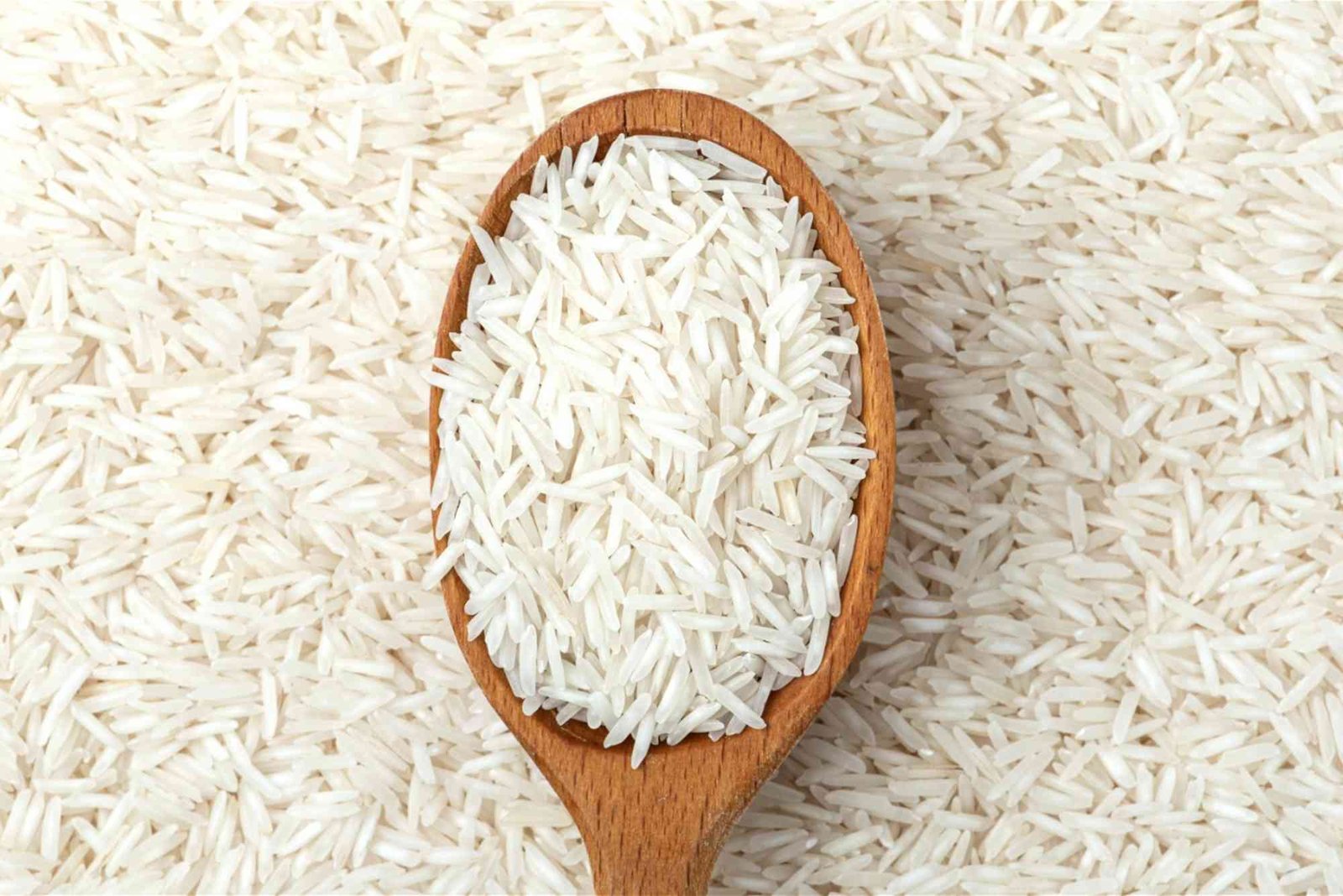
Rice is a staple food for billions worldwide, but not all rice is created equal. Choosing quality rice for daily consumption impacts taste, health, and nutrition. In this guide, we’ll explore everything you need to know about selecting the best rice for your daily meals.
Understanding Different Types of Rice
White Rice
White rice is the most commonly consumed rice. It has the husk, bran, and germ removed, making it easy to cook and digest. While convenient, it loses some nutrients during processing. Opt for enriched varieties to boost nutrition.
Brown Rice
Brown rice retains the bran and germ, offering higher fiber and nutrient content. Its nutty flavor and chewy texture are ideal for those seeking a healthier daily option. It may take longer to cook but provides better satiety and sustained energy.
Basmati Rice
Basmati rice is long-grained with a distinct aroma. Known for its fluffy texture, it is ideal for dishes like biryani or pilaf. Premium basmati is aged for 12–24 months to enhance flavor and reduce stickiness.
Jasmine Rice
Jasmine rice is soft, aromatic, and slightly sticky. Perfect for Asian cuisine, it cooks quickly and retains a natural fragrance. Look for authentic Thai jasmine rice for the best quality.
Key Factors to Consider When Choosing Rice
Grain Appearance
Inspect the rice visually. Quality rice has uniform size, color, and shape. Avoid rice with broken grains or discoloration, as these indicate lower quality or poor storage.
Aroma
Smell the rice before buying. Fresh rice has a subtle, natural fragrance. Avoid rice with a musty or chemical odor, which may indicate age or contamination.
Texture and Cooking Properties
Choose rice according to its cooking purpose. Long-grain rice stays separate and fluffy, ideal for pilafs. Short-grain rice is sticky, suitable for sushi or desserts. Test cooking small batches to assess texture.
Nutritional Value
Check the nutrition label if buying packaged rice. Brown rice offers higher fiber, vitamins, and minerals. Some fortified white rice varieties are enriched with iron and folic acid, supporting daily nutrition.
Origin and Brand
Reputable brands and known rice-producing regions often guarantee quality. Countries like India, Thailand, and Vietnam produce premium rice varieties. Buying from trusted suppliers reduces the risk of contamination.
Storage and Shelf Life
Rice absorbs moisture and odors easily. Store in airtight containers in a cool, dry place. Avoid storing near strong-smelling items like spices or detergents. Proper storage prolongs freshness and prevents pests.
Tips for Buying Rice for Daily Consumption
Buy in Small Quantities
Purchasing rice in smaller quantities ensures freshness. Rice stored for long periods may lose flavor and nutrients.
Prefer Unpolished or Aged Rice
Aged rice tends to cook better and has a superior texture. Unpolished rice retains more nutrients and fiber, making it a healthier option.
Check for Pesticide-Free or Organic Options
Organic rice reduces exposure to chemicals. Look for certified organic labels if possible, especially for daily consumption.
Read Reviews and Ask Experts
Online reviews and recommendations from local grocers can guide you toward high-quality rice. Experienced sellers often know which batches are freshest.
Experiment with Varieties
Different rice types suit different dishes. Experimenting with basmati, jasmine, or brown rice allows you to enjoy variety while maintaining nutrition.
How to Store Rice Properly
Use Airtight Containers
Transfer rice from bags to airtight containers. This prevents moisture, dust, and insects from contaminating your rice.
Keep in a Cool, Dry Place
Avoid direct sunlight and humid areas. Rice absorbs moisture, which can reduce shelf life and quality.
Avoid Mixing Old and New Rice
Mixing batches can lead to uneven cooking and spoilage. Always use older rice first.
Consider Freezing for Long-Term Storage
For large quantities, freezing rice preserves quality for several months. Ensure containers are sealed to prevent odors.
Health Benefits of Choosing Quality Rice
Provides Energy
Rice is a rich source of carbohydrates, providing energy for daily activities.
Supports Digestive Health
Whole grain rice, like brown rice, is high in fiber, aiding digestion and maintaining healthy gut function.
Offers Essential Nutrients
High-quality rice contains B vitamins, iron, magnesium, and antioxidants, supporting overall health.
Suitable for Gluten-Free Diets
Rice is naturally gluten-free, making it a safe option for individuals with gluten intolerance or celiac disease.
Cooking Tips for the Best Results
Rinse Before Cooking
Rinsing rice removes excess starch, preventing it from becoming sticky.
Use Correct Water Ratios
Different rice types require different water amounts. Brown rice typically needs more water than white rice.
Let Rice Rest
After cooking, let rice rest for a few minutes. This helps grains firm up and improves texture.
Avoid Overcooking
Overcooked rice becomes mushy and loses nutrients. Use a timer or follow package instructions for best results.
Balio.id – Balio.id is your go-to platform for insightful lifestyle tips, travel guides, and the latest trends. From wellness advice to inspiring destinations, Balio.id delivers content that enriches your daily life, helping you explore, relax, and live smarter. Stay updated and make every day more vibrant with Balio.id.
FAQ: How to Choose Quality Rice for Daily Consumption
How do I know if rice is fresh?
Fresh rice has a mild aroma, uniform grains, and no discoloration. Avoid rice with an off smell or broken grains.
Is brown rice healthier than white rice?
Yes, brown rice retains fiber, vitamins, and minerals that white rice loses during processing.
Can I store rice for a long time?
Yes, if stored in airtight containers in a cool, dry place. Freezing is also an option for long-term storage.
How much rice should I consume daily?
It depends on age, activity, and dietary needs. On average, 1–2 cups of cooked rice per meal is sufficient.
What is the best rice for daily meals?
It depends on preference. Brown rice is healthiest, while basmati and jasmine rice are excellent for taste and texture.
Should I buy organic rice?
Organic rice reduces exposure to pesticides and chemicals, making it a safer option for daily consumption.
Can rice help with weight management?
Yes, high-fiber varieties like brown rice promote fullness and aid in healthy digestion, supporting weight management.
Choosing quality rice for daily consumption is not just about taste—it impacts nutrition, health, and meal satisfaction. By understanding different types of rice, checking grain quality, and practicing proper storage, you ensure every meal is nutritious and delicious. Experiment with varieties, buy from trusted sources, and store rice correctly to enjoy its full benefits.
Take the first step today: select a high-quality rice type that suits your family’s taste and health needs. Your meals—and your body—will thank you.
