
Introduction
Government programs for children and youth play a vital role in shaping healthy, educated, and empowered generations. Around the world, public institutions invest in policies and services that protect young people and help them reach their full potential. These initiatives support families, improve access to education and healthcare, and create opportunities for social and economic mobility. As societies evolve, governments continue to adapt programs to meet changing needs and ensure no child or young person is left behind.
Understanding government programs for children and youth helps parents, educators, and community leaders make better decisions. It also empowers young people to access resources that support their development. From early childhood education to youth employment initiatives, these programs create a foundation for lifelong success. When implemented effectively, they strengthen communities and contribute to national development.
The Importance of Government Programs for Children and Youth
Government programs for children and youth are designed to address critical stages of development. Early childhood support ensures proper nutrition, healthcare, and education. These early investments have long-term benefits for cognitive and emotional growth. As children grow into adolescents, programs shift focus to education quality, mental health, and skill-building opportunities.
Public programs also help reduce inequality. Many families face financial barriers that limit access to quality education or healthcare. Government programs for children and youth bridge this gap by offering free or subsidized services. As a result, children from diverse backgrounds gain equal opportunities to succeed. This approach promotes social stability and long-term economic growth.
Moreover, youth-focused initiatives encourage civic engagement and leadership. When young people participate in community programs, they develop confidence and responsibility. Governments often collaborate with schools and local organizations to create safe spaces where youth can learn and grow. These partnerships strengthen the social fabric and encourage positive outcomes.
Education-Focused Government Programs
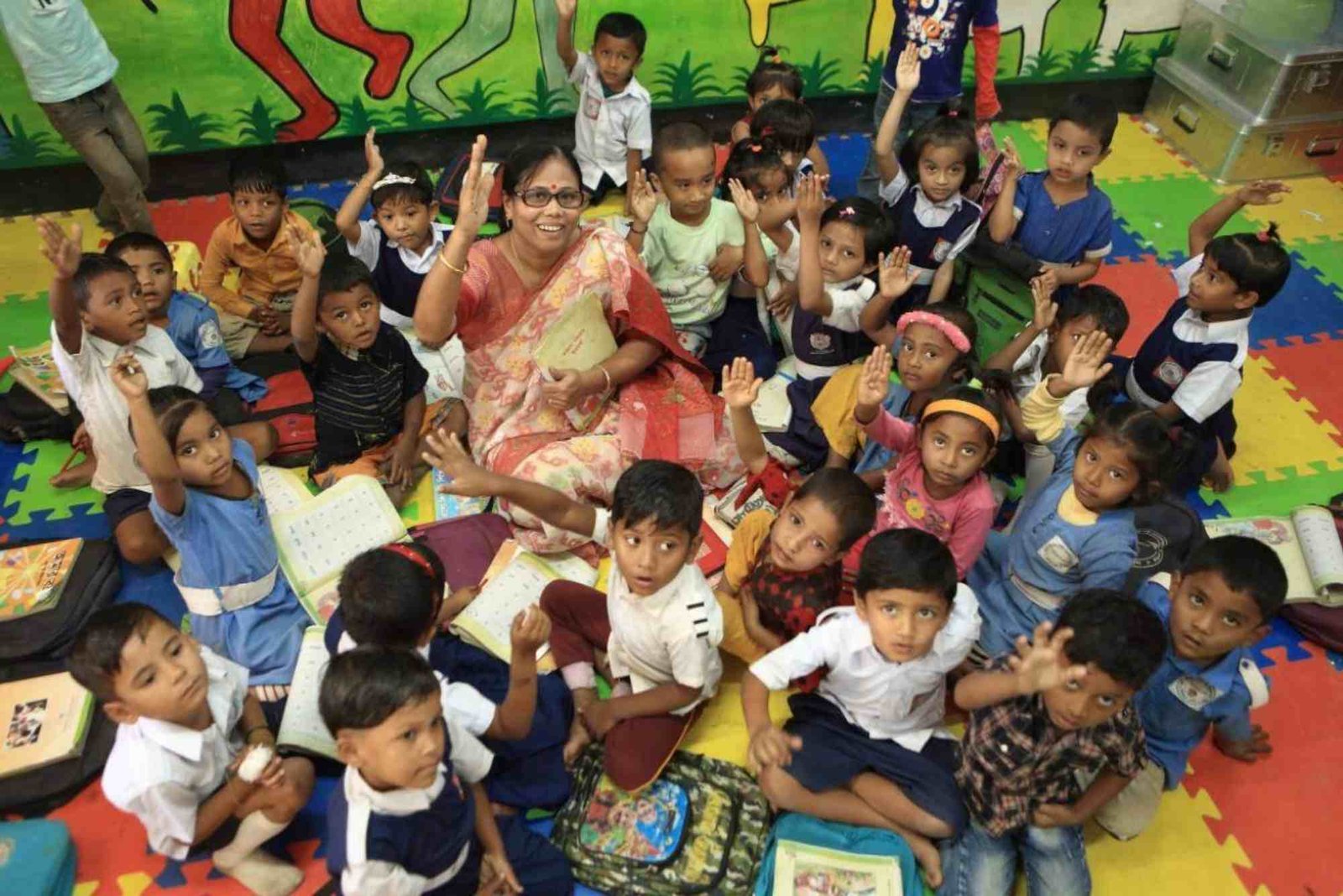
Education remains a central pillar of government programs for children and youth. Public schooling systems aim to provide accessible and quality education for all. Many governments invest in early childhood education centers to prepare children for primary school. These programs focus on literacy, numeracy, and social skills.
Scholarships and financial assistance programs also support students from low-income families. By covering tuition and school supplies, governments help reduce dropout rates. In addition, digital learning initiatives have expanded in recent years. Many countries now provide online resources and devices to ensure students can continue learning during disruptions.
Vocational training programs are another key component. They prepare youth for employment by teaching practical skills. Governments partner with industries to align training with labor market needs. This approach helps young people transition smoothly from education to employment. It also strengthens the workforce and boosts economic productivity.
Health and Nutrition Support for Young People
Health services are essential within government programs for children and youth. Many countries offer free or low-cost healthcare for children. These services include vaccinations, regular checkups, and emergency care. Early access to healthcare prevents long-term health issues and supports physical development.
Nutrition programs also play a significant role. School meal initiatives ensure children receive balanced meals each day. Proper nutrition improves concentration and academic performance. It also supports overall well-being. Governments often collaborate with local communities to distribute food to families in need.
Mental health services have become a growing focus. Adolescents face increasing pressure from academic, social, and digital environments. Government programs for children and youth now include counseling and support services. Schools and community centers often provide mental health resources. This support helps young people manage stress and build resilience.
Social Protection and Welfare Initiatives
Social protection is another important area within government programs for children and youth. Cash transfer programs support families with limited income. These funds help cover basic needs such as food, clothing, and education expenses. By reducing financial stress, families can focus on their children’s well-being.
Child protection services aim to prevent abuse and neglect. Governments establish reporting systems and support networks for vulnerable children. Social workers and community organizations work together to provide safe environments. These programs ensure that children grow up in secure and supportive conditions.
Youth welfare initiatives often address issues like homelessness and unemployment. Shelters, job training programs, and mentorship opportunities help young people build stable lives. Governments collaborate with nonprofits and local agencies to deliver these services effectively. This collective approach creates stronger safety nets for young people.
Youth Development and Skill-Building Programs
Skill development is a major focus of government programs for children and youth. Leadership programs encourage young people to participate in community projects. These initiatives build confidence and teamwork skills. They also help youth understand civic responsibilities.
Sports and arts programs contribute to holistic development. Governments fund community centers and extracurricular activities. Participation in sports improves physical health and discipline. Arts programs foster creativity and emotional expression. Together, these activities support balanced growth.
Entrepreneurship initiatives are also expanding. Many governments provide training and small grants for young entrepreneurs. These programs encourage innovation and self-reliance. By supporting youth-led businesses, governments create opportunities for economic growth and job creation.
Technology and Digital Inclusion
Digital access is increasingly important in modern government programs for children and youth. Many countries invest in technology to support education and communication. Providing devices and internet access helps bridge the digital divide. It ensures that all children can participate in online learning and development programs.
Digital literacy initiatives teach young people how to use technology responsibly. These programs focus on online safety, critical thinking, and digital skills. As technology becomes central to daily life, digital inclusion remains a priority. Governments continue to adapt programs to meet technological advancements.
Challenges and Opportunities
Despite progress, government programs for children and youth face challenges. Funding limitations and administrative barriers can affect implementation. Some communities lack awareness of available services. Governments must invest in outreach and transparency to ensure programs reach those in need.
However, opportunities for improvement continue to grow. Partnerships with private organizations and nonprofits enhance program effectiveness. Data-driven policies help governments identify gaps and measure success. By listening to young people’s voices, policymakers can design more relevant initiatives.
Community involvement is also essential. Parents, educators, and local leaders play a role in supporting government programs for children and youth. When communities actively participate, programs become more effective and sustainable. This collaborative approach ensures lasting impact.
The Future of Government Programs for Children and Youth
The future of government programs for children and youth depends on innovation and adaptability. Governments must respond to emerging issues such as climate change, digital transformation, and global economic shifts. Programs that focus on resilience and adaptability will prepare young people for future challenges.
Investing in youth today creates stronger societies tomorrow. When governments prioritize children and youth, they build a foundation for sustainable development. Education, health, and social support remain key pillars. As programs evolve, they must remain inclusive and accessible to all.
New Regulations For The Energy Sector are shaping how companies produce, distribute, and manage energy in a rapidly changing world. Governments are focusing on sustainability, cleaner resources, and improved efficiency to meet future demand. Businesses and consumers must stay informed about policy updates, compliance requirements, and new opportunities created by evolving energy laws and environmental standards worldwide.
Frequently Asked Questions
What are government programs for children and youth?
Government programs for children and youth are public initiatives designed to support education, health, safety, and development. They provide resources that help young people grow and succeed.
Why are government programs for children and youth important?
These programs ensure equal opportunities for all children and young people. They reduce inequality and promote long-term social and economic stability.
How can families access government programs for children and youth?
Families can access services through schools, community centers, and government agencies. Many programs offer online information and registration options.
What types of services are included in government programs for children and youth?
Services often include education support, healthcare, nutrition programs, and skill development initiatives. They also include mental health and social protection services.
How do government programs for children and youth benefit society?
They create healthier, educated, and skilled citizens. This leads to stronger communities and sustainable national development.
Government programs for children and youth are essential for building inclusive and prosperous societies. They provide the support young people need to grow into confident and capable adults. By investing in education, health, and skill development, governments create opportunities that benefit individuals and communities. These initiatives also strengthen social stability and economic progress.
As challenges continue to evolve, the importance of government programs for children and youth remains clear. Families, educators, and community leaders should stay informed and engaged. Supporting these programs ensures that every child and young person has the chance to thrive. Explore available initiatives in your area and encourage participation. When communities and governments work together, the future becomes brighter for the next generation.
