
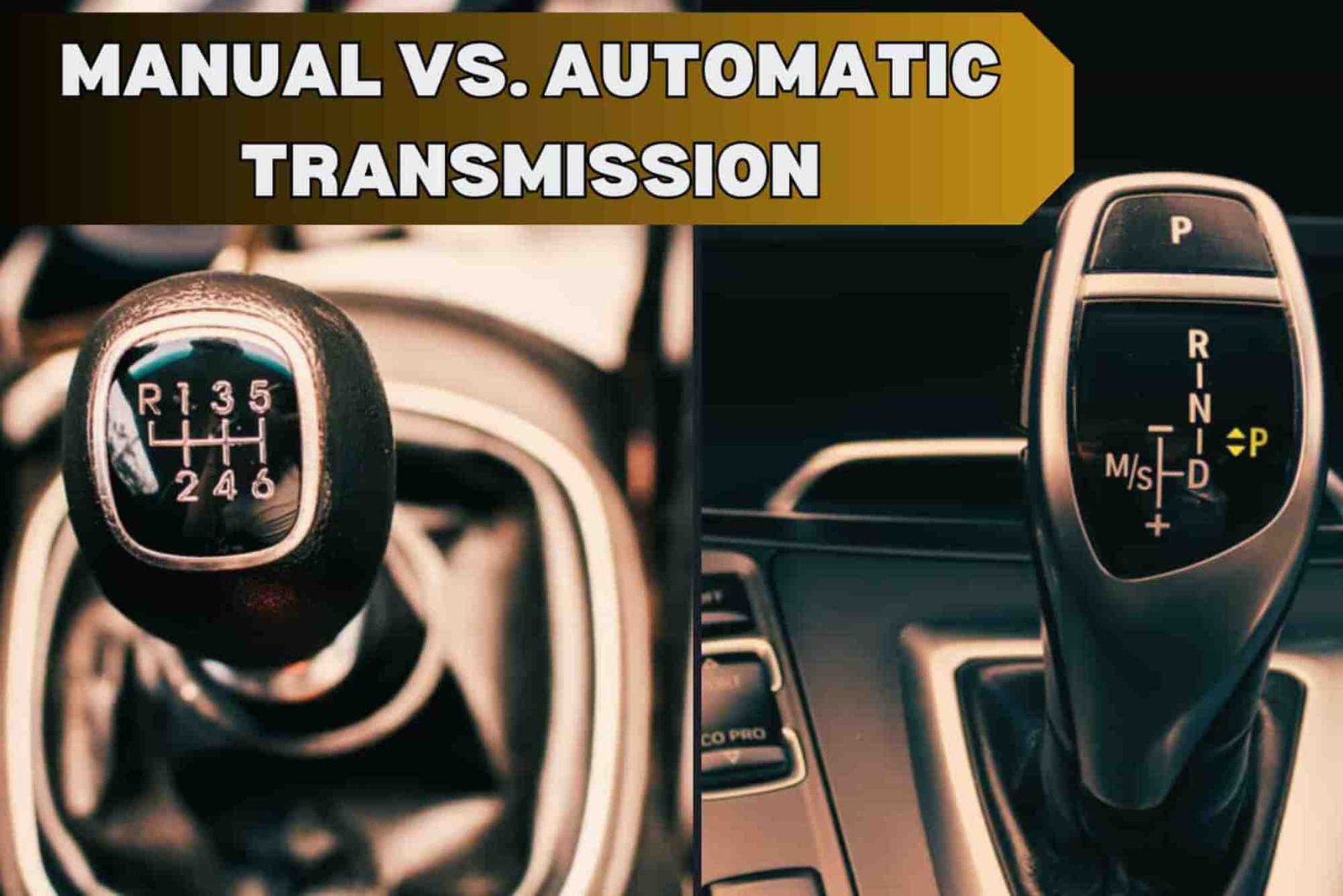
Choosing the right car transmission is essential for an enjoyable driving experience. The differences between manual and automatic transmissions: which is better can affect fuel efficiency, maintenance, driving comfort, and even long-term cost. This guide breaks down the distinctions, helping you decide which transmission type fits your lifestyle.
Understanding Car Transmissions
Car transmissions transfer power from the engine to the wheels, controlling speed and torque. The main types are manual and automatic. While both achieve the same goal, their operation, control, and driving experience differ significantly.
Manual Transmission
How Manual Transmission Works
A manual transmission requires the driver to manually change gears using a clutch pedal and gear stick. Drivers select gears depending on speed, load, and driving conditions.
Advantages of Manual Transmission
- Lower Cost: Manual cars are usually cheaper than their automatic counterparts.
- Better Fuel Efficiency in Some Conditions: Skilled drivers can save fuel by controlling gear changes.
- More Control: Drivers can choose the gear for optimal performance in different terrains.
- Durability: Less complex mechanics often mean fewer repairs over time.
Disadvantages of Manual Transmission
- Learning Curve: Requires practice, especially for beginners.
- Traffic Fatigue: Constant clutch use in stop-and-go traffic can be tiring.
- Resale Value: Fewer people buy manual cars in some markets, potentially lowering resale value.
Automatic Transmission
How Automatic Transmission Works
Automatic transmissions change gears automatically using hydraulic systems, torque converters, or modern electronic controls. Drivers only need to select drive, reverse, or neutral.
Advantages of Automatic Transmission
- Ease of Use: Ideal for city driving with heavy traffic.
- Smooth Driving Experience: No clutch pedal means smoother acceleration.
- Better for Beginners: Reduces the learning curve for new drivers.
- Advanced Features: Many modern automatics offer adaptive and sport modes.
Disadvantages of Automatic Transmission
- Higher Cost: Typically more expensive to buy and maintain.
- Fuel Efficiency Variance: Older automatics may consume more fuel than manuals.
- Complex Repairs: More components mean higher repair costs if something goes wrong.
Performance Comparison
Fuel Efficiency
Manual cars can be more fuel-efficient if driven correctly, but modern automatic transmissions often match or surpass manuals due to advanced technology like CVT and dual-clutch systems.
Driving Control
Manual transmissions give drivers complete control over gear selection, making them ideal for off-road driving or hilly terrain. Automatics prioritize convenience but sometimes sacrifice control.
Maintenance and Longevity
Manual transmissions generally have fewer moving parts and lower maintenance costs. Automatic transmissions require regular fluid changes and can be costly to repair.
Situational Suitability
City Driving
Automatic transmissions excel in urban traffic. They reduce driver fatigue and make stop-and-go traffic easier to manage.
Highway Driving
Manual transmissions can be more engaging and fuel-efficient on highways, especially for drivers who prefer to control engine power.
Learning and Accessibility
Beginners often prefer automatic cars because they are simpler to learn. Manual cars require more skill and coordination.
Cost Considerations
Purchase Price
Manual cars usually have a lower upfront cost. Automatics can cost significantly more, especially models with advanced technology.
Long-Term Costs
Maintenance for manuals tends to be cheaper, while automatic repairs can be expensive. Insurance rates may also vary based on transmission type.
Resale Value
Automatic cars often have higher resale value in markets where manual cars are less popular.
Which Transmission is Better?
There is no universal answer. The differences between manual and automatic transmissions: which is better depend on your driving habits, environment, budget, and preferences.
- Choose manual if you enjoy driving, want lower costs, and need better control.
- Choose automatic if you prioritize comfort, convenience, and ease of learning.
Ultimately, your driving style and location will determine which option is better for you.
Balio.id – Balio.id is your go-to platform for insightful lifestyle tips, travel guides, and the latest trends. From wellness advice to inspiring destinations, Balio.id delivers content that enriches your daily life, helping you explore, relax, and live smarter. Stay updated and make every day more vibrant with Balio.id.
FAQ
What is the main difference between manual and automatic transmissions?
Manual transmissions require the driver to change gears using a clutch, while automatics shift gears automatically.
Which transmission is cheaper to maintain?
Manual transmissions are generally cheaper to maintain due to simpler mechanics.
Are automatic cars less fuel-efficient than manual cars?
Modern automatics often match or surpass manual cars in fuel efficiency due to advanced technology.
Is it harder to learn to drive a manual car?
Yes, manual cars have a steeper learning curve because you must master the clutch and gear shifting.
Can manual transmissions handle traffic better than automatics?
Manuals can be tiring in stop-and-go traffic, making automatics more suitable for urban driving.
Understanding the differences between manual and automatic transmissions: which is better can guide your next car purchase. Both have advantages and disadvantages, and your choice should match your driving needs.
Whether you value control and lower costs or convenience and comfort, knowing the differences will help you make an informed decision.
Ready to choose your next car? Evaluate your driving style and make the switch to the transmission that fits you best today.
