
Introduction
Entertainment has always been a reflection of society, capturing culture, emotions, and human creativity. Over the past few decades, technology has dramatically transformed the ways people experience entertainment. From traditional cinema to virtual reality, digital streaming, and interactive gaming, the landscape has shifted in ways previously unimaginable. These changes in entertainment trends due to technology not only influence consumer behavior but also redefine how creators, distributors, and audiences interact. Understanding these trends offers valuable insight into the future of media consumption, audience engagement, and content creation.
The Evolution of Entertainment Platforms
From Analog to Digital
Historically, entertainment was largely dependent on physical formats and face-to-face experiences. Radio, vinyl records, and television dominated households, offering limited choices. The digital revolution changed this dynamic. The introduction of streaming platforms, online video content, and digital music libraries allowed audiences to access content on-demand. Unlike traditional mediums, digital platforms provide personalized experiences, real-time engagement, and instant access to vast libraries of entertainment. The convenience of streaming has also altered consumption patterns, with binge-watching and playlist curation becoming the norm.
Rise of Streaming Services
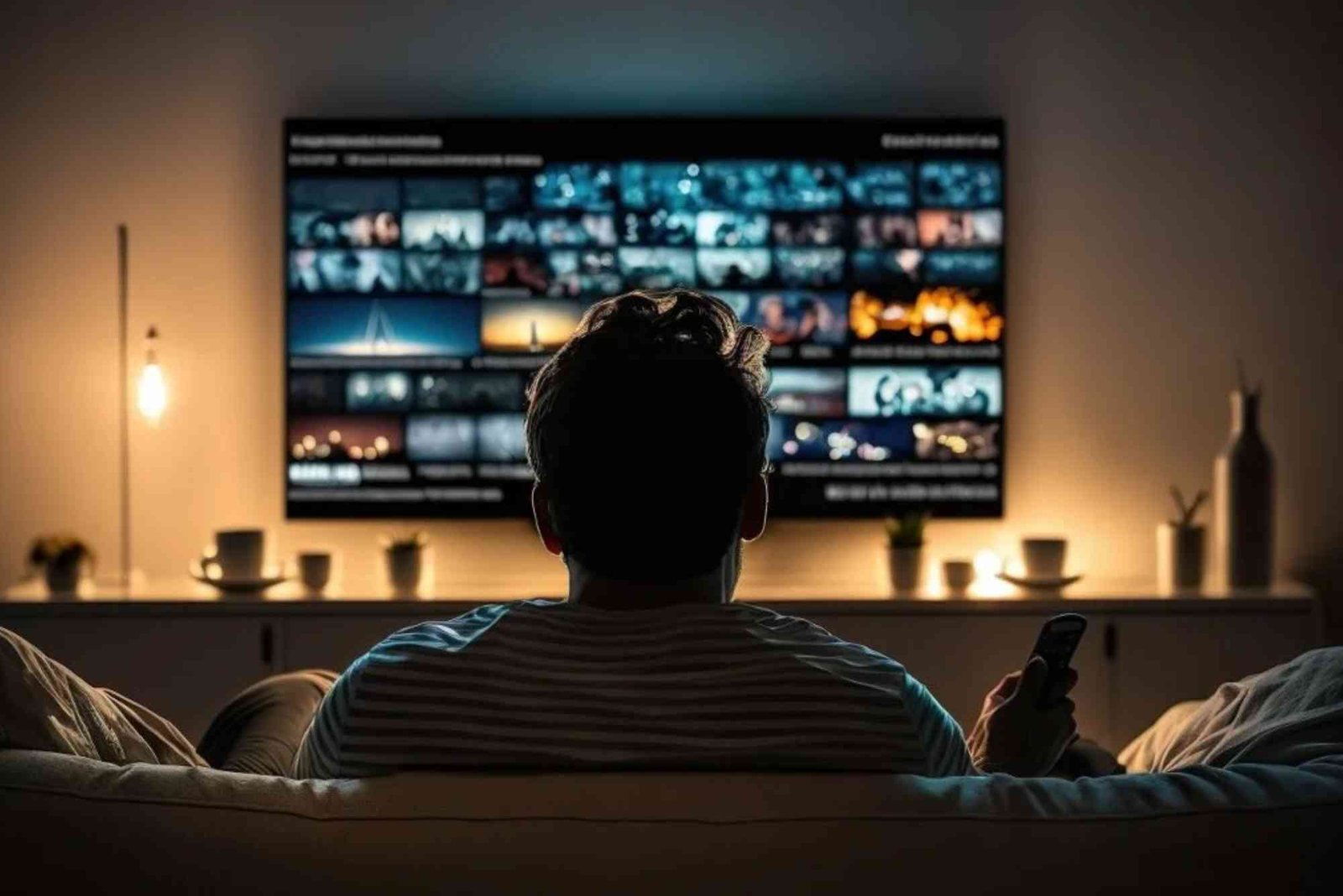
One of the most significant changes in entertainment trends due to technology is the rise of streaming services. Platforms like Netflix, Disney+, and Spotify have disrupted traditional broadcasting and music industries. These services offer unlimited content at flexible prices, eliminating the need for physical media or scheduled programming. Streaming has shifted the power balance from broadcasters to consumers, empowering them to select content according to personal preferences. This transformation has led to a surge in original content production, as platforms compete for audience attention with exclusive shows, movies, and albums.
The Impact on Cinema and Television
While streaming has revolutionized accessibility, traditional cinema and television have adapted by embracing technology. Movie theaters now offer immersive experiences with 3D and IMAX formats, aiming to compete with home viewing. Television has evolved into smart platforms with integrated apps and on-demand services. High-definition content, smart TVs, and multi-screen integration have made watching television more interactive and engaging. These developments demonstrate how technology encourages innovation, even in long-established entertainment forms.
Interactive Entertainment Experiences
Video Gaming Transformation
Gaming represents one of the most dynamic sectors in entertainment. Technological advancements in graphics, artificial intelligence, and virtual reality have elevated gaming from simple pixel-based systems to lifelike simulations. Online multiplayer platforms allow players to interact with others worldwide, creating social communities around gaming. Cloud gaming services now eliminate hardware constraints, enabling high-quality experiences across devices. These trends illustrate how technology has transformed gaming into a central entertainment hub for millions.
Virtual and Augmented Reality
Virtual reality (VR) and augmented reality (AR) have introduced a new dimension to entertainment. VR immerses users in fully interactive digital worlds, offering experiences ranging from concerts to storytelling adventures. AR overlays digital elements onto the real world, enhancing live events, gaming, and social media interactions. These innovations are changing audience expectations by emphasizing participation and interactivity rather than passive consumption. They also create opportunities for businesses to design unique experiences that blend technology with entertainment seamlessly.
Social Media and Content Creation
Social media platforms have revolutionized content creation and distribution. Platforms like TikTok, Instagram, and YouTube empower individuals to become content creators, reaching global audiences instantly. Short-form videos, live streaming, and interactive challenges encourage active participation and engagement. The democratization of content creation has diversified entertainment, enabling niche communities to flourish. Technology facilitates rapid trends, virality, and audience feedback, driving creators to innovate continuously to capture attention.
Personalization and Data-Driven Entertainment
AI and Recommendation Algorithms
Artificial intelligence plays a pivotal role in shaping modern entertainment. Streaming platforms, social media apps, and gaming services leverage algorithms to provide personalized recommendations. By analyzing user behavior, preferences, and engagement patterns, these systems deliver tailored content, increasing user satisfaction and retention. The ability to predict what audiences want has shifted content production strategies, with creators designing media that aligns with algorithmic trends. Personalized entertainment enhances accessibility, relevance, and engagement.
Immersive Storytelling
Technology has enabled creators to craft stories that adapt to audience choices. Interactive storytelling in games, apps, and streaming platforms allows viewers to influence narratives. This participatory approach fosters deeper connections with characters and plots, resulting in highly engaging experiences. Entertainment is no longer linear; audiences now have agency, making them active participants rather than passive consumers. Changes in entertainment trends due to technology have thus expanded the boundaries of creativity, blending traditional storytelling with interactive elements.
The Influence of Mobile Devices
Entertainment on the Go
Smartphones and tablets have transformed how people access entertainment. Mobile devices allow instant access to streaming platforms, social media, games, and podcasts from anywhere. This mobility has shifted entertainment consumption from scheduled to spontaneous, fitting into everyday routines. People can watch episodes during commutes, play games during breaks, and share content in real-time. Mobile technology has created a highly accessible entertainment ecosystem, where convenience and immediacy are critical factors.
Apps and Micro-Content
The rise of mobile apps has also popularized micro-content, designed for brief, engaging consumption. Short videos, interactive quizzes, and social media snippets cater to reduced attention spans and fast-paced lifestyles. This trend has influenced creators and platforms to adapt formats, emphasizing visually appealing, concise, and shareable content. Mobile-first entertainment strategies ensure that content reaches audiences effectively, keeping pace with evolving consumption habits.
Cultural and Social Impacts
Globalization of Entertainment
Technology has blurred geographical boundaries, enabling the global exchange of entertainment. Streaming platforms, social media, and online communities allow people to access international content effortlessly. K-pop, anime, and global cinema have gained worldwide audiences, fostering cultural appreciation and cross-border collaboration. This globalization has expanded creative possibilities, exposing audiences to diverse narratives and styles, and influencing local productions to integrate international trends.
Changes in Audience Behavior
Audience behavior has shifted significantly with technological advancements. Viewers now prefer interactive, personalized, and on-demand content. Social media trends influence consumption, with users seeking entertainment that is shareable and engaging. The shift from passive consumption to active participation has reshaped marketing, production, and distribution strategies. Creators must balance quality, accessibility, and interactivity to stay relevant in this fast-paced digital era.
The Future of Entertainment Trends
Emerging Technologies
The entertainment industry continues to evolve alongside technology. Artificial intelligence, virtual production, blockchain, and the metaverse are poised to redefine experiences further. AI-generated content, virtual concerts, and digital collectibles provide new avenues for creativity and monetization. As technology advances, entertainment will become increasingly immersive, interactive, and personalized, offering experiences that were once unimaginable.
Challenges and Opportunities
While technology offers immense opportunities, it also presents challenges. Content saturation, privacy concerns, and algorithmic biases can affect audience experience. Additionally, rapid technological changes require continuous adaptation from creators and businesses. Nevertheless, the integration of innovation and creativity ensures that entertainment will remain a dynamic, evolving field. Those who embrace technology strategically will thrive in the ever-changing landscape.
The entertainment industry has undergone profound transformations due to technological advancements. Streaming platforms, interactive gaming, virtual reality, AI personalization, and mobile access have reshaped consumption habits and creative processes. These changes in entertainment trends due to technology emphasize engagement, personalization, and global connectivity. As innovation continues, the line between creator and audience, reality and digital experience, will continue to blur. Embracing these shifts allows both creators and consumers to enjoy richer, more immersive entertainment. Stay informed, explore new platforms, and experience the future of entertainment today.
If you are passionate about entertainment and technology, now is the perfect time to explore new platforms, interactive experiences, and innovative content. Share your favorite digital entertainment experiences and join the conversation about the future of media.
If you love exploring world cinema, “The Best Indonesian Movies You Must Watch” offers a curated list of must-see films from Indonesia. From gripping dramas to thrilling action and heartfelt stories, these movies showcase the rich culture, talent, and storytelling of Indonesian filmmakers. Whether you’re a film enthusiast or just curious about Indonesian cinema, this list will guide you to unforgettable cinematic experiences.
FAQ
How has technology changed entertainment consumption?
Technology has made entertainment accessible anytime, anywhere. Streaming, mobile apps, and personalized recommendations allow viewers to engage with content on their terms.
What are some emerging entertainment technologies?
Virtual reality, augmented reality, AI-driven content, blockchain-based collectibles, and interactive platforms are shaping the future of entertainment.
Are traditional cinemas still relevant in the digital age?
Yes. Cinemas offer immersive experiences, such as 3D and IMAX formats, that cannot be fully replicated at home, attracting audiences seeking unique experiences.
How has mobile technology influenced entertainment?
Mobile devices enable on-the-go access to games, streaming platforms, and social media. Micro-content, short videos, and apps cater to fast-paced lifestyles and reduced attention spans.
Will AI replace human creativity in entertainment?
AI assists in personalization, content analysis, and efficiency but does not replace human creativity. Storytelling, emotion, and originality remain human-driven.
