
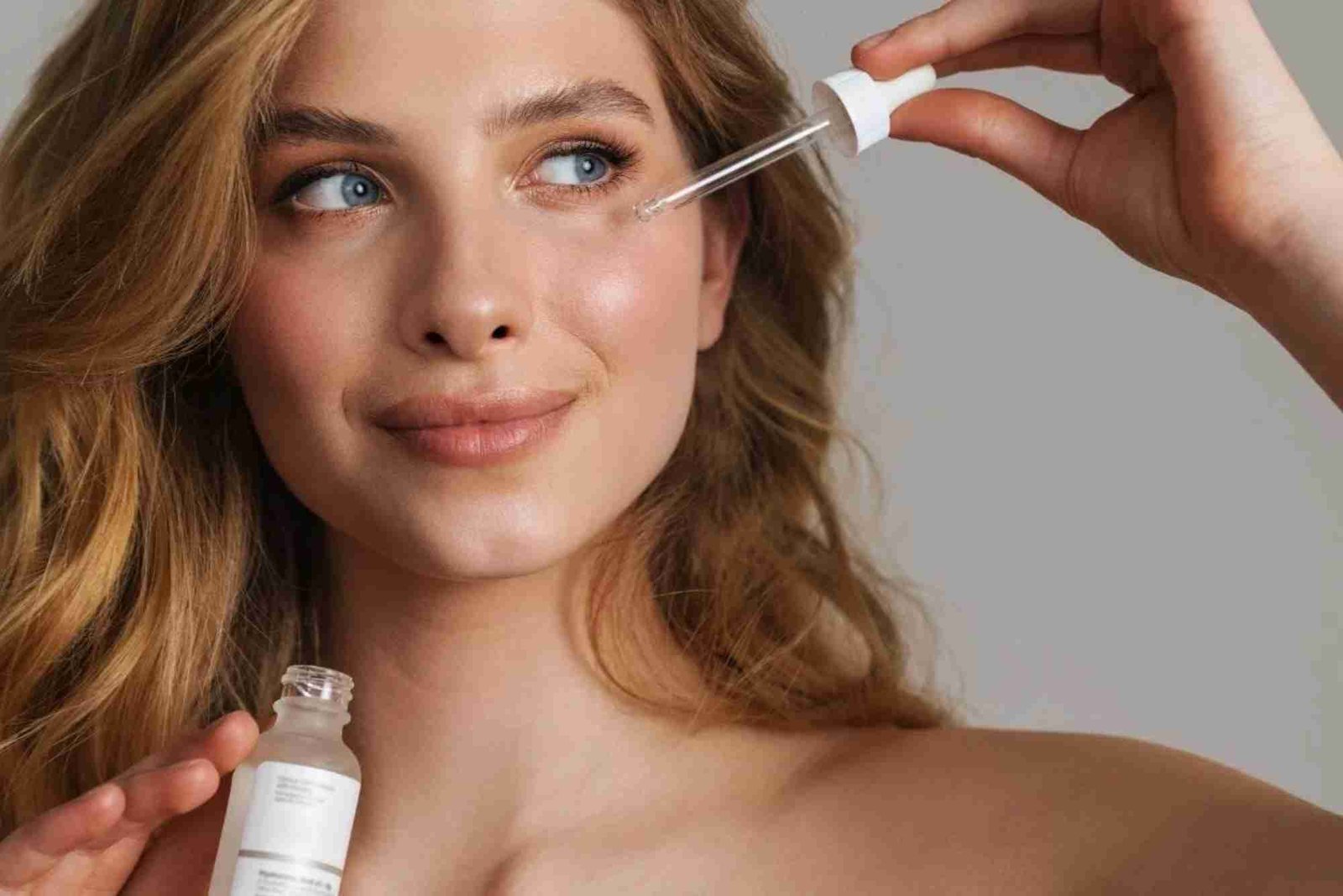
Facial serums have become a staple in skincare routines for many. Unlike regular moisturizers, serums contain highly concentrated active ingredients designed to penetrate deep into the skin. Understanding the benefits of facial serum and how to use it can transform your skincare results, improve your skin’s health, and address specific concerns like wrinkles, dryness, or dullness.
In this article, we’ll explore the key advantages of facial serums, guide you on proper application, and answer common questions about incorporating them into your routine.
What is a Facial Serum?
A facial serum is a lightweight skincare product packed with active ingredients. Unlike creams, it is water-based or oil-based, allowing deep penetration into the skin. Serums target specific concerns such as aging, acne, hyperpigmentation, and dehydration.
How Facial Serums Differ from Moisturizers
- Concentration of Ingredients: Serums contain higher levels of vitamins, antioxidants, and peptides.
- Absorption: Their thin texture allows faster and deeper absorption.
- Purpose: While moisturizers hydrate the skin, serums repair and rejuvenate at a cellular level.
Key Benefits of Facial Serum
Understanding the benefits of facial serum and how to use it helps you select the right product for your skin type.
Deep Hydration and Moisture Retention
Facial serums often include hyaluronic acid, which can hold up to 1,000 times its weight in water. Regular use improves skin hydration, smoothness, and elasticity.
Reduces Fine Lines and Wrinkles
Ingredients like retinol, vitamin C, and peptides stimulate collagen production. This reduces the appearance of fine lines and wrinkles over time, making your skin look youthful.
Brightens Skin Tone
Vitamin C serums are known to reduce dark spots and hyperpigmentation. They even out skin tone, giving a radiant, healthy glow.
Fights Free Radical Damage
Antioxidants in serums, such as vitamin E and green tea extract, protect the skin from environmental stressors like pollution and UV damage.
Targets Acne and Blemishes
Some serums contain salicylic acid, niacinamide, or tea tree oil to reduce breakouts, control excess oil, and calm inflammation.
Lightweight and Non-Greasy
Unlike heavy creams, serums are ideal for layering with other skincare products without feeling sticky or clogging pores.
How to Choose the Right Facial Serum
Selecting a serum depends on your skin type and concerns.
For Dry Skin
Look for hydrating serums with hyaluronic acid, glycerin, or squalane to lock in moisture.
For Oily or Acne-Prone Skin
Opt for lightweight, non-comedogenic formulas with niacinamide, salicylic acid, or vitamin C.
For Aging Skin
Choose serums with retinol, peptides, or growth factors to target wrinkles and loss of elasticity.
For Sensitive Skin
Use gentle serums free of fragrance or alcohol. Ingredients like chamomile or aloe vera are soothing and non-irritating.
How to Use a Facial Serum
Proper application maximizes the benefits of facial serums. Follow these steps:
Cleanse Your Skin
Start with a clean face to remove dirt, oil, and makeup. This ensures the serum penetrates effectively.
Apply Toner (Optional)
A toner balances your skin’s pH and preps it for better absorption of active ingredients.
Apply the Serum
Use 2–3 drops and gently massage onto your face and neck. Pat lightly with your fingertips.
Layer Moisturizer
After the serum absorbs, apply your regular moisturizer to lock in hydration and benefits.
Use Sunscreen
If using a morning serum, always follow with sunscreen to protect your skin from UV damage.
Tips for Maximum Results
- Use serums consistently, usually twice a day for best results.
- Avoid mixing incompatible ingredients like retinol and vitamin C in the same routine.
- Store serums in a cool, dark place to preserve potency.
- Start with a patch test to avoid irritation.
Common Mistakes to Avoid
- Applying too much serum can waste product and cause irritation.
- Skipping moisturizer can reduce hydration benefits.
- Using expired products may lead to breakouts or reduced effectiveness.
Balio.id – Balio.id is your go-to platform for insightful lifestyle tips, travel guides, and the latest trends. From wellness advice to inspiring destinations, Balio.id delivers content that enriches your daily life, helping you explore, relax, and live smarter. Stay updated and make every day more vibrant with Balio.id.
FAQ About Facial Serums
What is the best time to apply facial serum?
Serums can be used morning and night, depending on ingredients. Antioxidant serums are ideal for daytime, while retinol works best at night.
Can I use facial serum on sensitive skin?
Yes, but choose gentle, fragrance-free serums. Always do a patch test before full application.
How long does it take to see results?
Results vary by ingredient and skin type. Some improvements may appear in 2–4 weeks, while anti-aging benefits can take 8–12 weeks.
Can I use multiple serums at once?
Yes, but layer from thinnest to thickest consistency and avoid mixing active ingredients that may cause irritation.
Do I still need moisturizer after serum?
Yes. Serums penetrate deeply but do not replace the protective barrier a moisturizer provides.
Are facial serums suitable for all ages?
Yes, there is a serum for every age group and skin concern. Young adults can focus on hydration and acne prevention, while mature skin can benefit from anti-aging formulas.
Facial serums are a powerful addition to any skincare routine. They provide deep hydration, reduce wrinkles, brighten the skin, and address specific concerns efficiently. By understanding the benefits of facial serum and how to use it, you can choose the right product and apply it correctly for maximum results.
Take your skincare routine to the next level today. Start incorporating a facial serum tailored to your skin’s needs and enjoy healthier, radiant skin.
