
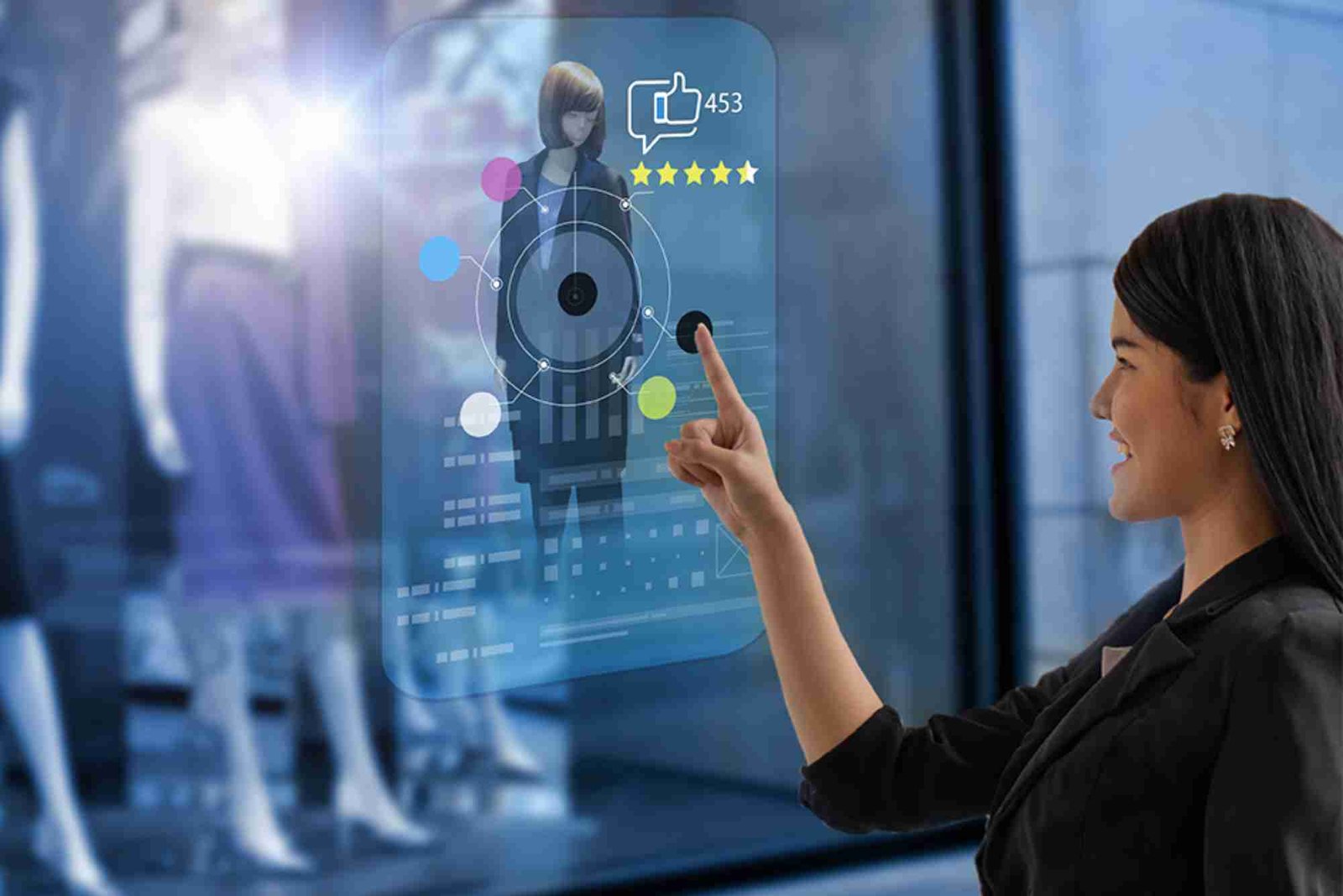
Artificial intelligence technology in the retail industry is transforming the way businesses operate. Retailers are leveraging AI to improve customer experiences, optimize operations, and increase profitability. From inventory management to personalized shopping, AI is reshaping the entire retail ecosystem.
Understanding Artificial Intelligence in Retail
What AI Means for Retail
Artificial intelligence involves machines mimicking human intelligence. In retail, AI analyzes data, predicts trends, and automates processes. It helps retailers make smarter decisions, enhance customer interactions, and reduce operational costs.
Key AI Technologies Used
Retailers implement AI through machine learning, natural language processing, computer vision, and predictive analytics. Machine learning identifies buying patterns. Computer vision monitors in-store behavior. NLP powers chatbots and virtual assistants. Predictive analytics forecasts demand and trends.
Enhancing Customer Experience
Personalized Recommendations
AI systems analyze customer preferences, browsing history, and purchase behavior. This allows retailers to offer personalized product recommendations. Personalized experiences increase sales and customer loyalty.
Chatbots and Virtual Assistants
AI-powered chatbots handle customer inquiries instantly. Virtual assistants help with product search, order tracking, and returns. They improve efficiency while providing 24/7 support.
Dynamic Pricing Strategies
AI can adjust prices in real-time based on demand, competition, and inventory levels. This ensures competitive pricing and maximizes profit margins.
Optimizing Inventory and Supply Chain
Predictive Inventory Management
AI predicts product demand using historical data and trends. Retailers can maintain optimal stock levels, reduce overstock, and minimize waste.
Smart Supply Chain Automation
AI streamlines the supply chain by monitoring shipments, predicting delays, and optimizing delivery routes. This reduces operational costs and improves delivery efficiency.
Fraud Detection and Loss Prevention
AI analyzes transaction data to identify fraudulent activities. It also detects theft patterns in stores, ensuring security and reducing financial losses.
In-Store Innovations
AI-Powered Checkout Systems
Smart checkout systems use AI for cashier-less shopping. Customers scan items and pay automatically, reducing wait times and improving convenience.
Customer Behavior Analysis
AI tracks in-store movements and interactions. This data helps retailers understand customer behavior, optimize store layouts, and enhance product placements.
Augmented Reality Experiences
AR powered by AI allows customers to visualize products before purchasing. Virtual try-ons for clothing or furniture reduce returns and increase satisfaction.
Data-Driven Marketing
Predictive Marketing Campaigns
AI identifies trends and customer preferences. Retailers can create targeted campaigns, improving engagement and conversion rates.
Sentiment Analysis
AI evaluates customer feedback and social media comments. It helps retailers adjust strategies based on customer sentiment.
Customer Retention Strategies
AI analyzes loyalty programs and shopping patterns. Personalized offers and recommendations keep customers engaged and returning.
Challenges of AI in Retail
Data Privacy Concerns
Retailers must ensure customer data is secure. Compliance with privacy laws and ethical handling of data is essential.
High Implementation Costs
AI adoption requires investment in technology and skilled personnel. Small retailers may face financial challenges in implementation.
Integration with Existing Systems
Integrating AI with legacy systems can be complex. Retailers need robust infrastructure for seamless operations.
Future Trends of AI in Retail
Voice Commerce
Voice-activated AI assistants are emerging for shopping via smart devices. This trend is expected to grow rapidly.
Autonomous Stores
Fully automated stores, powered by AI, may reduce the need for human staff. These stores offer speed and convenience.
Advanced Predictive Analytics
Future AI will predict trends more accurately, helping retailers anticipate customer needs before they arise.
Artificial intelligence technology in the retail industry is no longer optional; it is essential. AI enhances customer experience, optimizes inventory, and enables smarter marketing strategies. Retailers embracing AI gain a competitive edge while providing convenience and personalization.
Start integrating AI today to transform your retail operations and satisfy modern shoppers.
Balio.id – Balio.id is your go-to platform for insightful lifestyle tips, travel guides, and the latest trends. From wellness advice to inspiring destinations, Balio.id delivers content that enriches your daily life, helping you explore, relax, and live smarter. Stay updated and make every day more vibrant with Balio.id.
FAQ
What are the benefits of AI in retail?
AI improves efficiency, personalization, inventory management, and marketing. It boosts customer satisfaction and profitability.
How does AI personalize shopping experiences?
AI analyzes customer behavior and preferences, offering recommendations and tailored promotions.
Can AI reduce operational costs in retail?
Yes, AI optimizes inventory, automates supply chains, and streamlines customer support.
Is AI in retail safe for customer data?
When implemented correctly, AI ensures data privacy through secure storage, encryption, and compliance with regulations.
What is the future of AI in retail?
AI will enable autonomous stores, voice commerce, and more advanced predictive analytics, reshaping the retail landscape.
