
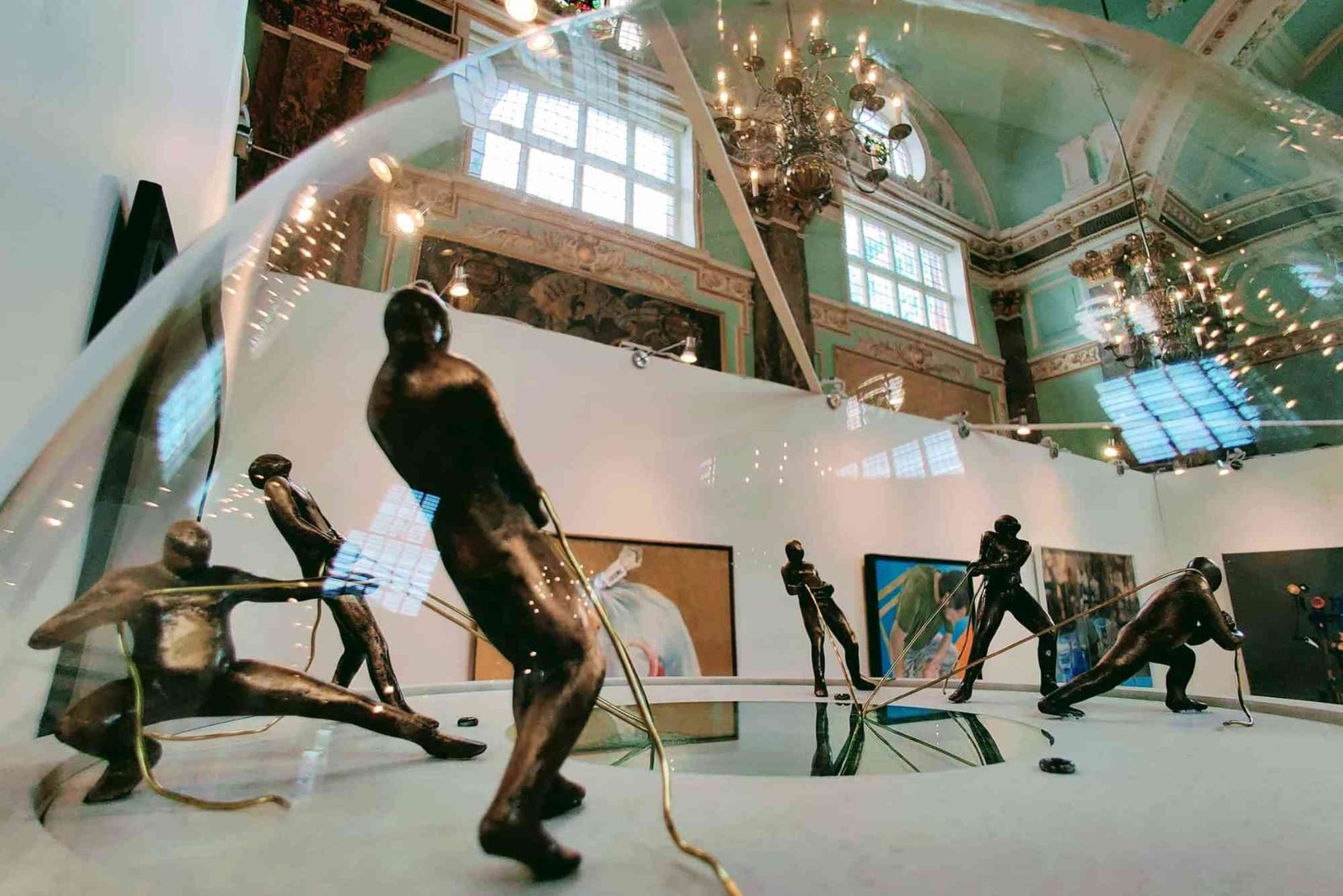
Contemporary art exhibitions have become dynamic spaces where creativity, innovation, and cultural commentary converge. They offer visitors a chance to experience art that challenges perceptions, evokes emotions, and inspires new ideas. Unlike traditional galleries, contemporary art exhibitions emphasize interaction, diversity, and experimentation. Whether through multimedia installations, digital art, or performance pieces, these exhibitions provide immersive experiences that linger long after you leave. For anyone passionate about art or seeking cultural enrichment, knowing which contemporary art exhibitions are worth visiting can make a significant difference in your creative journey.
The Transformative Power of Contemporary Art
Contemporary art exhibitions offer more than visual stimulation. They provide a platform for artists to engage with social, political, and environmental issues. Through thought-provoking installations and innovative approaches, these exhibitions encourage viewers to question their surroundings and reflect on global and local realities. For instance, immersive light installations or interactive sculptures invite audiences to participate in the art itself. This level of engagement transforms passive observation into an active dialogue, making the exhibition experience more meaningful and memorable.
Experiencing contemporary art can also have a personal impact. Visitors often report a heightened sense of creativity and inspiration after attending exhibitions that challenge conventional forms and ideas. By confronting unfamiliar perspectives and mediums, audiences can develop a deeper appreciation for artistic expression while also reflecting on their own lives and experiences.
Global Contemporary Art Hubs
Major cities around the world have become hubs for contemporary art exhibitions, attracting both established and emerging artists. These cities offer unique opportunities to engage with cutting-edge works that redefine what art can be. Institutions like the Museum of Modern Art in New York, Tate Modern in London, and the Centre Pompidou in Paris host groundbreaking exhibitions that showcase a wide spectrum of contemporary practices. The diversity of these exhibitions allows visitors to explore different artistic languages and cultural narratives, providing a comprehensive view of the global contemporary art scene.
In addition to these renowned institutions, smaller galleries and alternative spaces play a critical role in shaping contemporary art. These venues often focus on experimental work, providing a platform for emerging artists to explore unconventional themes. Visiting both large institutions and independent spaces ensures a well-rounded experience, highlighting both the established and experimental facets of contemporary art.
Experiencing Contemporary Art Exhibitions
Visiting a contemporary art exhibition is an experience that engages all senses. Many exhibitions now incorporate multimedia elements, such as virtual reality, soundscapes, and interactive components, allowing visitors to engage with art in new and exciting ways. This immersive approach helps audiences connect with the work on a deeper level, making the experience both memorable and educational.
Contemporary exhibitions also emphasize storytelling. Each installation or artwork is often curated to communicate a narrative, whether it is personal, social, or political. Visitors can explore themes ranging from identity and technology to environmental issues and cultural heritage. The narrative approach transforms the exhibition into a journey, guiding audiences through a series of visual and conceptual experiences that challenge and inspire.
Moreover, many exhibitions host artist talks, workshops, and guided tours, further enhancing visitor engagement. These interactive programs offer unique insights into the creative process and provide opportunities to ask questions, discuss ideas, and gain a deeper understanding of the artworks on display. Participating in these events ensures a richer, more connected experience.
Notable Trends in Contemporary Exhibitions
Contemporary art exhibitions are constantly evolving, reflecting current trends in artistic practice. One prominent trend is the use of technology and digital media. Artists are increasingly incorporating augmented reality, virtual reality, and digital installations to create interactive experiences. These technological approaches blur the boundaries between the physical and digital realms, offering visitors innovative ways to engage with art.
Sustainability and environmental themes are also prevalent in contemporary exhibitions. Many artists use recycled materials or focus on ecological concerns, addressing urgent global challenges through their work. These exhibitions encourage viewers to think critically about their impact on the planet and inspire conversations about environmental responsibility.
Diversity and inclusivity have become central to contemporary art practices. Exhibitions now prioritize voices from marginalized communities, ensuring a broader range of perspectives and experiences. This approach enriches the cultural dialogue, allowing audiences to engage with stories and ideas that were previously underrepresented in mainstream art.
The Emotional and Intellectual Impact
Visiting contemporary art exhibitions is both an emotional and intellectual journey. Art has the power to evoke feelings of awe, curiosity, or introspection. By interacting with innovative works, visitors may experience moments of personal reflection or inspiration. These exhibitions often encourage audiences to reconsider familiar concepts and explore new ways of thinking.
Intellectually, contemporary art exhibitions challenge traditional notions of aesthetics and meaning. They prompt critical thinking and foster a deeper understanding of cultural, social, and political contexts. Engaging with contemporary art can sharpen analytical skills and broaden one’s perspective on both art and life, making it a valuable educational experience for all visitors.
Tips for Visiting Contemporary Art Exhibitions
To maximize the experience, it is helpful to approach exhibitions with an open mind and a sense of curiosity. Take the time to read accompanying materials, listen to audio guides, and participate in interactive components. Engaging fully with the art allows for a more meaningful and memorable visit.
Timing is also important. Many exhibitions have peak periods that can be crowded, while visiting during quieter hours allows for deeper reflection and observation. Additionally, exploring a mix of large museums and smaller galleries ensures exposure to a wide variety of artistic styles and approaches.
Photographs and social media can enhance the experience, but it is equally important to spend time observing art without distractions. Immersing oneself fully in the exhibition allows for genuine emotional and intellectual engagement.
Why Contemporary Art Exhibitions Matter
Contemporary art exhibitions are essential for cultural enrichment and creative growth. They provide platforms for artistic experimentation, challenge societal norms, and foster dialogue between artists and audiences. These exhibitions bridge the gap between tradition and innovation, offering fresh perspectives on both art and life.
Moreover, contemporary exhibitions contribute to local and global cultural economies. They attract tourism, support artists and creative communities, and promote cultural exchange. By visiting these exhibitions, audiences not only enrich their own understanding but also support the sustainability and growth of the arts sector.
Contemporary art exhibitions are more than displays of creativity—they are immersive experiences that educate, inspire, and challenge. They allow audiences to engage with diverse artistic voices and explore innovative practices. Whether through interactive installations, digital art, or multimedia performances, visiting these exhibitions is a unique opportunity to expand cultural knowledge and foster personal growth. To truly appreciate the evolving world of art, make it a priority to explore contemporary exhibitions whenever possible. Each visit promises a new perspective, a fresh idea, and a memorable journey into creativity.
Discover how popular culture influences modern films and shapes storytelling in today’s cinema. From iconic music to viral trends, cultural elements inspire filmmakers worldwide. Explore the full insights on this fascinating topic here.
FAQs
What is a contemporary art exhibition?
A contemporary art exhibition showcases modern works by living artists, often emphasizing innovative techniques and current cultural themes.
Why should I visit contemporary art exhibitions?
They offer immersive, thought-provoking experiences that inspire creativity, critical thinking, and cultural understanding.
How can I prepare for visiting a contemporary art exhibition?
Research the exhibition, engage with any audio guides or workshops, and approach the art with an open mind.
Are contemporary art exhibitions suitable for all ages?
Yes, many exhibitions are family-friendly, though some may include themes better suited for older audiences.
What makes contemporary art exhibitions different from traditional art galleries?
Contemporary exhibitions often emphasize interactivity, technology, and current social issues, while traditional galleries focus on historical or classical art.
How often do contemporary art exhibitions change?
Exhibitions are frequently updated, with major museums and galleries hosting new shows multiple times a year.
Can visiting contemporary art exhibitions enhance creativity?
Absolutely, exposure to diverse artistic perspectives and innovative techniques can inspire new ideas and creative thinking.
