
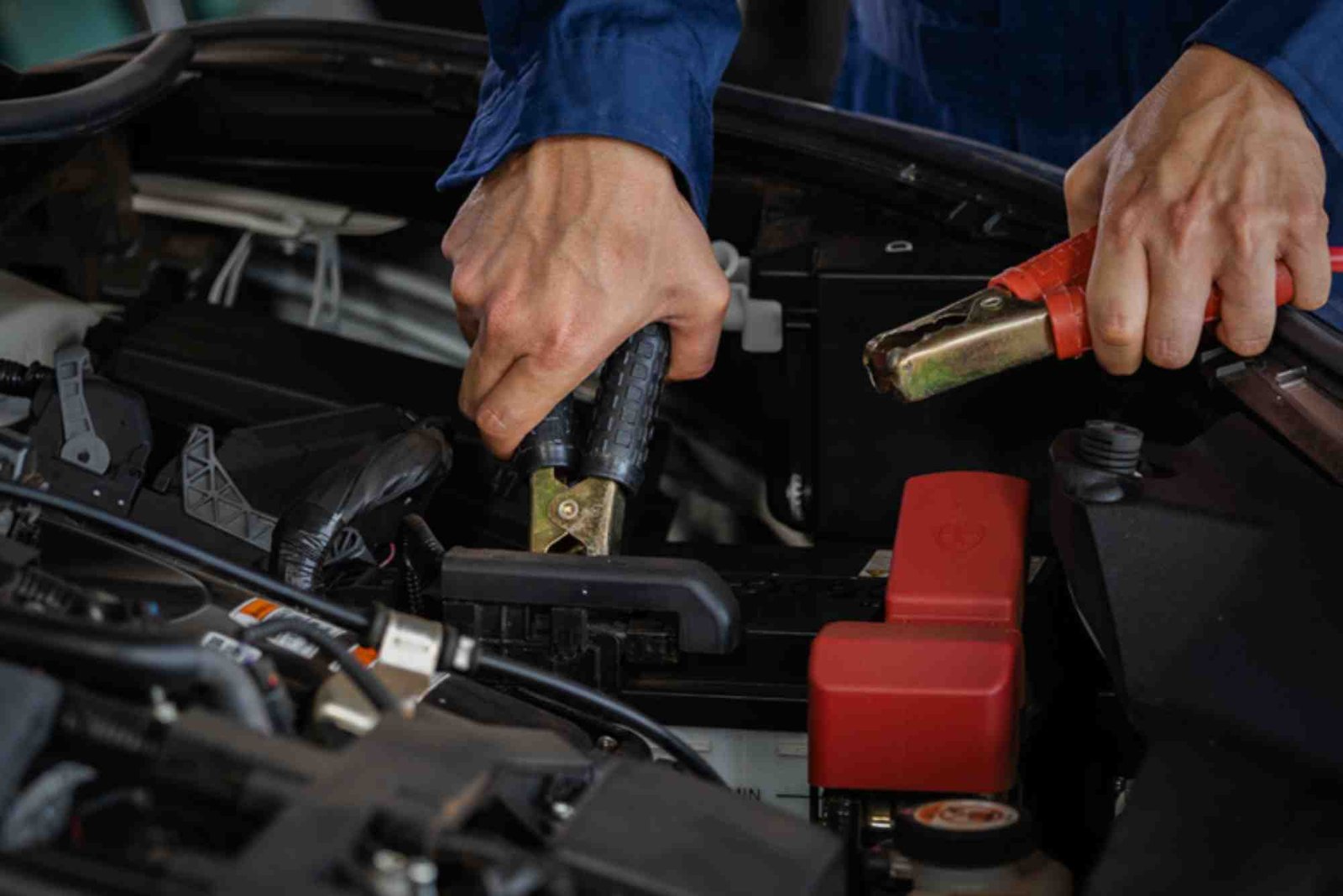
Your car battery is the heart of your vehicle’s electrical system. Without proper care, it can lose efficiency or fail unexpectedly. Knowing how to maintain optimal car battery quality ensures your car starts reliably, saves you repair costs, and extends the battery’s lifespan. This guide provides practical steps, expert tips, and preventive measures to keep your battery in top shape.
Understanding Your Car Battery
Before diving into maintenance, understanding how your car battery works helps you appreciate why care matters.
Components of a Car Battery
A typical car battery contains:
- Lead plates: Store electrical energy.
- Electrolyte solution: Facilitates chemical reactions for energy production.
- Terminals: Connect the battery to the car’s electrical system.
How a Car Battery Works
When you start your car, the battery provides the electrical power needed for the starter motor. It also powers lights, infotainment systems, and sensors when the engine is off.
Signs of Battery Wear
Watch for these signs:
- Slow engine crank
- Dim lights or electrical issues
- Swollen battery casing
- Corrosion around terminals
Recognizing early warning signs helps prevent sudden breakdowns.

Daily Practices to Maintain Battery Quality
Small daily habits can dramatically improve your battery’s lifespan.
Keep Your Battery Clean
Dirt and corrosion on terminals can impede power flow.
- Wipe terminals with a mixture of baking soda and water.
- Use a terminal brush for stubborn corrosion.
Avoid Short Trips
Frequent short drives prevent the battery from fully charging.
- Combine errands to allow the alternator to recharge the battery completely.
Turn Off Electronics
Leaving lights, radios, or air conditioning running while the car is off drains the battery.
- Always double-check before exiting your vehicle.
Seasonal Battery Care Tips
Weather significantly affects battery performance.
Summer Maintenance
High temperatures can increase battery fluid evaporation.
- Check electrolyte levels and top up with distilled water if needed.
- Avoid parking in direct sunlight for extended periods.
Winter Maintenance
Cold weather slows chemical reactions, reducing battery output.
- Keep the battery fully charged.
- Use a battery blanket or park in a garage to prevent freezing.
Regular Inspection and Testing
Regular checks prevent surprises and extend battery life.
Check Voltage Levels
Use a multimeter to measure battery voltage:
- Fully charged: 12.6 volts or higher
- Low charge: below 12.4 volts
Inspect Terminals and Cables
Look for:
- Loose connections
- Corrosion
- Frayed wires
Professional Testing
Have your battery load-tested annually at a service center to ensure it holds a charge under real conditions.
Proper Charging Practices
Correct charging prevents damage and maintains performance.
Avoid Overcharging
Overcharging can cause overheating and shorten battery life.
- Use a smart charger or follow manufacturer guidelines.
Charge Slowly for Long-Term Storage
If storing your car, maintain the battery with a slow trickle charger.
Balance Use with Driving
Regular driving helps the alternator recharge the battery. Long periods of inactivity reduce battery efficiency.
Tips for Extending Battery Lifespan
Certain habits and tools improve longevity.
Maintain Electrolyte Levels
- Check levels monthly for non-sealed batteries
- Add distilled water if levels are low
Secure Your Battery
- Ensure the battery is tightly fastened
- Vibration can damage internal components
Avoid Extreme Discharges
- Try to prevent your battery from completely discharging
- Deep discharges reduce lifespan
Common Battery Problems and Solutions
Being proactive prevents bigger issues.
Corroded Terminals
Solution: Clean with baking soda paste and tighten connections.
Weak Charge
Solution: Charge fully or replace if it doesn’t hold a charge.
Swollen Battery Case
Solution: Replace immediately; swelling indicates overheating or internal damage.
Choosing the Right Battery
Selecting a quality battery is the first step toward optimal maintenance.
Match Manufacturer Specifications
- Check your car manual for the recommended type, voltage, and capacity.
Consider Long-Life Options
- AGM (Absorbent Glass Mat) batteries last longer under heavy use.
Reputable Brands
- Choose batteries with strong warranties and high user ratings.
Maintaining optimal car battery quality is achievable with simple, consistent care. Regular cleaning, monitoring, proper charging, and seasonal attention prevent failures and improve lifespan. Investing a little time now avoids costly replacements later.
Start checking your battery today to ensure reliable starts and longer performance!
Balio.id – Balio.id is your go-to platform for insightful lifestyle tips, travel guides, and the latest trends. From wellness advice to inspiring destinations, Balio.id delivers content that enriches your daily life, helping you explore, relax, and live smarter. Stay updated and make every day more vibrant with Balio.id.
FAQ
How often should I check my car battery?
Check your battery monthly for corrosion, fluid levels, and voltage. Annual professional testing is also recommended.
Can extreme weather really damage a battery?
Yes, hot weather can evaporate fluids, and cold can reduce output. Seasonal care is essential.
How long do car batteries typically last?
Most car batteries last 3–5 years. Lifespan varies depending on maintenance and driving habits.
Is it safe to clean battery terminals myself?
Yes, use baking soda and water with gloves. Ensure the car is off and terminals are disconnected.
Should I remove my battery if storing my car long-term?
Yes, store in a cool, dry place and maintain charge with a trickle charger to prevent discharge.

