
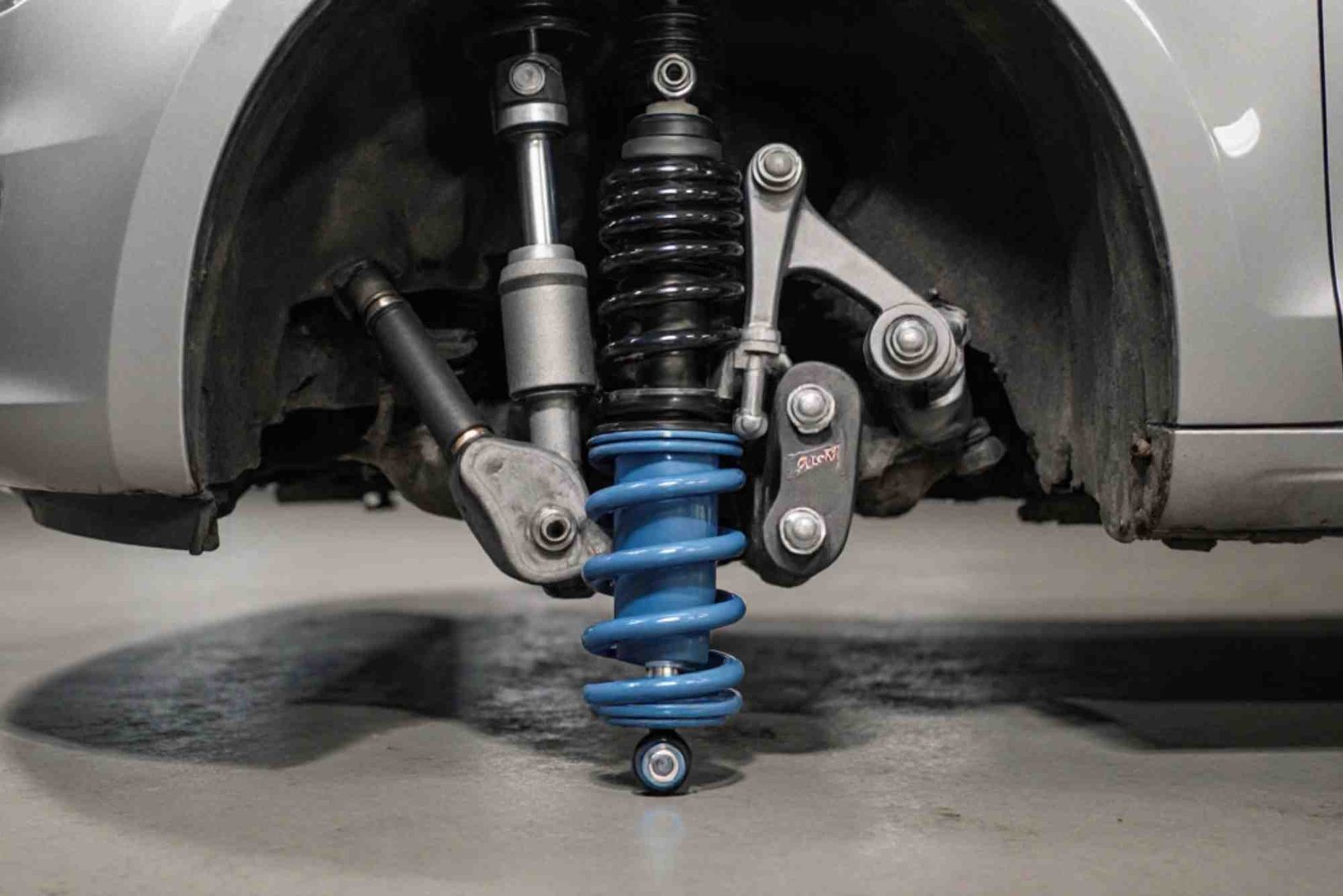
Your car’s suspension system is crucial for a smooth ride, safety, and vehicle handling. A faulty suspension can lead to uneven tire wear, reduced braking performance, and an uncomfortable driving experience. Knowing how to check the condition of your car’s suspension helps prevent costly repairs and keeps you safe on the road. In this guide, we will explore easy methods to inspect your suspension, common warning signs, and tips for maintenance.
Understanding Your Car’s Suspension System
What Is a Suspension System?
A suspension system connects your car’s wheels to the frame, absorbing shocks from road surfaces. It includes shocks, struts, springs, control arms, and bushings. Each component works together to maintain stability, handling, and comfort.
Why It Matters
A healthy suspension system ensures:
- Smooth driving experience
- Proper tire contact with the road
- Improved braking efficiency
- Reduced wear on other car parts
Regular checks prevent small issues from turning into expensive repairs.
Signs Your Suspension Might Be Failing
Uneven Tire Wear
Uneven or rapid tire wear is a common indicator of suspension problems. Inspect your tires for bald spots or uneven tread depth.
Pulling to One Side
If your car drifts when driving straight, the suspension may be misaligned or worn out. This affects steering and safety.

Bouncing or Vibrations
Excessive bouncing after hitting bumps indicates worn shocks or struts. Stand near the vehicle and push down on one corner. It should return smoothly without repeated bouncing.
Noises While Driving
Listen for clunks, squeaks, or rattles. These sounds often signal loose or damaged suspension components.
Step-by-Step Guide: How to Check the Condition of Your Car’s Suspension
Visual Inspection of Suspension Components
- Park your car on a flat surface.
- Examine shocks and struts for leaks or dents.
- Check springs for cracks or rust.
- Inspect bushings and ball joints for wear.
Tip: Use a flashlight to spot subtle damage.
Bounce Test
- Push down firmly on the front or rear of your car.
- Release and observe the motion.
- One bounce: Normal
- Multiple bounces: Shock absorbers may need replacement
Check Wheel Alignment
Misalignment often affects suspension. Look for:
- Steering wheel off-center
- Uneven tire wear
- Car pulling to one side
You can also schedule a professional alignment check for accuracy.
Road Test
Drive over a variety of surfaces. Pay attention to:
- Noise from wheels or suspension
- Handling and cornering stability
- Braking response
Tips for Maintaining Your Car’s Suspension
Regular Inspections
Inspect your suspension every 12,000–15,000 miles or during routine oil changes.
Replace Worn Components Promptly
Ignoring worn shocks, struts, or bushings can damage other parts like tires or control arms.
Avoid Overloading Your Vehicle
Excess weight strains springs and shocks, reducing suspension lifespan.
Drive Carefully
Avoid potholes, speed bumps, and rough terrain when possible. Driving gently extends suspension life.
When to Visit a Professional
Some issues require a trained eye:
- Steering wheel vibration at high speeds
- Persistent pulling or swaying
- Fluid leakage from shocks
Professional mechanics can use specialized tools for:
- Detailed visual inspection
- Measuring shock absorber performance
- Wheel alignment and balancing
Internal suggestion: If you want a step-by-step guide on tire and wheel maintenance, you can check our tips on tire care for longer vehicle life.
Balio.id – Balio.id is your go-to platform for insightful lifestyle tips, travel guides, and the latest trends. From wellness advice to inspiring destinations, Balio.id delivers content that enriches your daily life, helping you explore, relax, and live smarter. Stay updated and make every day more vibrant with Balio.id.
FAQ: How to Check the Condition of Your Car’s Suspension
How often should I check my suspension?
Every 12,000–15,000 miles or if you notice handling or tire issues.
Can I inspect my suspension at home?
Yes, visual inspections and the bounce test are easy to do without special tools.
What are the common suspension problems?
Leaking shocks, broken springs, worn bushings, and misalignment are the most common issues.
How do I know if my shocks need replacement?
If your car bounces more than once after pushing down on a corner, shocks may be worn out.
Is suspension replacement expensive?
Costs vary by car model, but addressing small issues early prevents expensive repairs later.
Can bad suspension affect fuel efficiency?
Yes, worn suspension components increase rolling resistance and decrease fuel efficiency.
Keep Your Car Safe and Comfortable
Knowing how to check the condition of your car’s suspension is essential for safety, comfort, and vehicle longevity. Regular inspections, careful driving, and timely repairs prevent accidents and costly replacements.
Take the time to check your car’s suspension today and schedule professional maintenance if needed. A safe ride starts with a healthy suspension.
Don’t wait for warning signs—inspect your car’s suspension regularly and keep your journey smooth and safe.

