
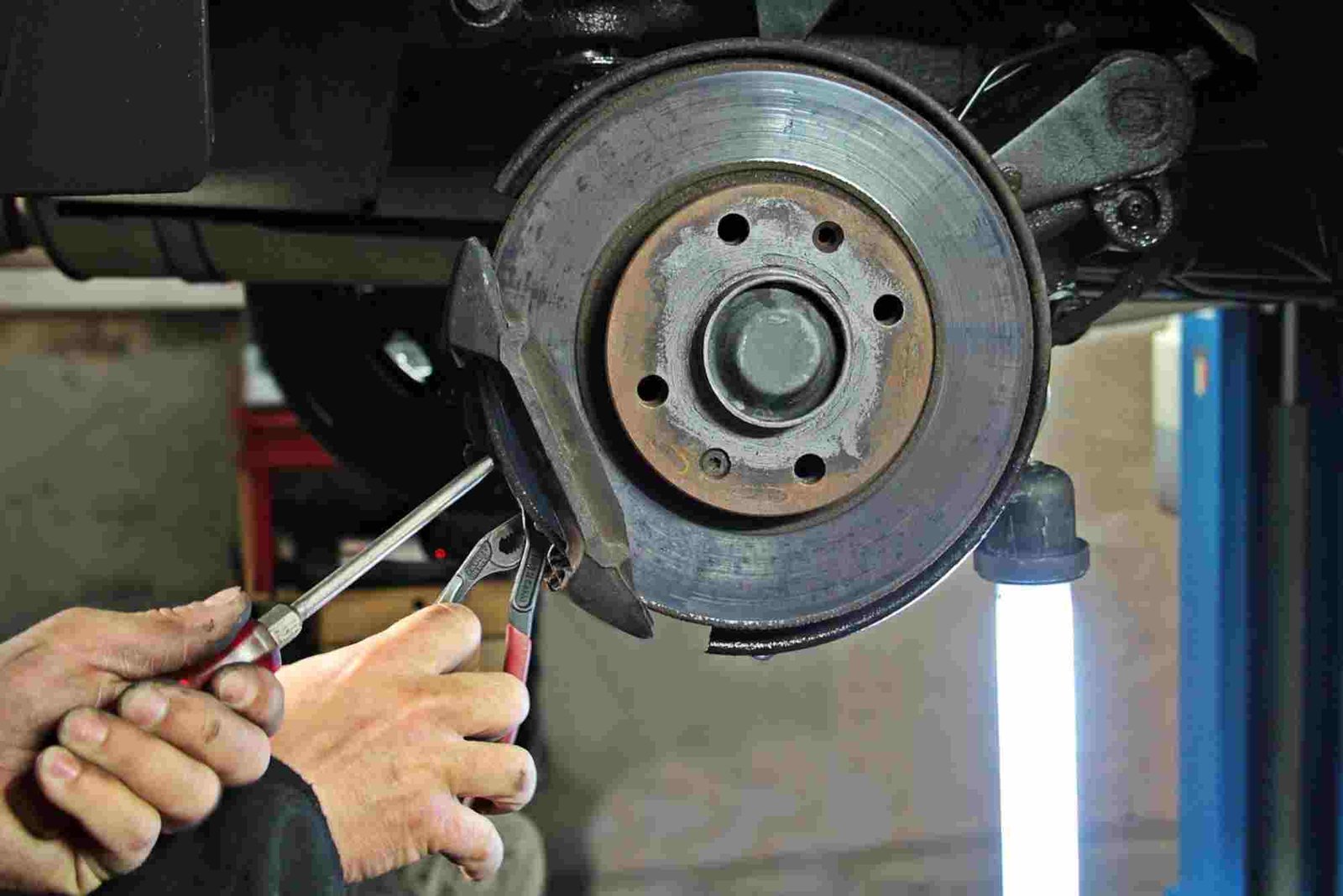
Brakes are one of the most essential safety systems on your vehicle. When you first notice how to fix car brakes that feel less effective, it can be alarming. Less effective brakes can lead to longer stopping distances and unsafe driving conditions. Thankfully, many causes of poor brake performance can be diagnosed and fixed with the right knowledge and tools.
In this article, you will learn step-by-step how to fix car brakes that feel less effective. We explain symptoms, common problems, and practical solutions. We also include safety tips, tools you need, and when to call a professional.
Understanding Why Brakes Feel Less Effective
Before you start fixing brakes, it’s important to understand why they feel weak or less responsive. Knowing the root causes helps you target the right repair.
Worn Brake Pads
Brake pads are designed to wear over time. When they wear too thin, braking power drops. You may hear squealing or grinding noises when braking.
Low Brake Fluid
Brake fluid transmits pressure from the pedal to the calipers. Low fluid can cause a spongy brake pedal and reduced braking force.
Air in Brake Lines
If air enters the brake lines, the pedal feels soft. This reduces the ability to stop quickly. Bleeding the brakes removes trapped air.
Brake Rotor Issues
Warped or worn rotors can make braking feel uneven. You might feel vibration in the brake pedal or steering wheel.
Caliper Problems
Sticking calipers can make your car pull to one side. This also decreases braking effectiveness.
Tools and Safety Gear You Need
Before tackling brake repairs, gather the right tools. Having everything ready makes the process smoother.
Essential Tools
- Jack and jack stands
- Lug wrench
- C-clamp or brake caliper tool
- Wrench set
- Brake cleaner spray
- Container for old brake fluid
Safety Gear
- Safety glasses
- Gloves
- Wheel chocks
Working on brakes can be dirty and dangerous if done incorrectly. Always wear proper protective gear.
Step-by-Step Guide: How to Fix Car Brakes That Feel Less Effective
Now that you know common causes and tools, let’s walk through how to fix car brakes that feel less effective.
Check Brake Fluid Level
Start with the simplest fix. A low brake fluid level is a common reason brakes feel weak.
- Open your hood and locate the brake fluid reservoir.
- Check the fluid level against the markings.
- If low, top up with the type of brake fluid specified in your owner’s manual.
Remember that brake fluid absorbs moisture over time. It may be time for a full brake fluid flush.
Inspect Brake Pads
Worn pads reduce braking power significantly.
- Loosen lug nuts slightly while the car is on the ground.
- Jack up the vehicle and place it on stands.
- Remove the wheel and inspect the brake pads.
If the pad material is less than a quarter-inch thick, it’s time to replace them.
Replacing pads typically restores braking performance quickly.
Bleed the Brake Lines
Air in the brake lines can make the pedal feel soft and spongy.
- Have a partner press the brake pedal slowly.
- Open the bleeder valve on the caliper to let fluid and air escape.
- Close the valve and repeat until only clear fluid flows.
Properly bleeding brakes ensures that pressure is transmitted efficiently.
Check and Resurface Rotors
Warped rotors make brakes vibrate and feel weak.
- Remove the wheel and brake pads.
- Inspect rotor surface for grooves or warping.
- If minor damage is present, have them resurfaced.
- If severe, replace the rotors entirely.
Good rotors paired with new pads dramatically improve stopping power.
Inspect and Fix Caliper Issues
Sticking calipers can restrict brake movement.
- Remove the caliper and check for smooth piston movement.
- If the piston is seized, it may need rebuilding or replacement.
- Clean the guide pins and lubricate them.
Caliper repair restores balanced braking on all wheels.
Additional Checks to Improve Braking
Brakes don’t work alone. Other systems affect how brakes feel.
Check Wheel Bearings
Bad wheel bearings can make braking feel sloppy. If you hear grinding noise when spinning the wheel by hand, bearings may need service.
Check ABS System
Anti-lock braking system faults can cause less effective braking. Have a scan tool read ABS codes if the ABS light is on.
Proper Tire Maintenance
Tire type, condition, and pressure change braking distance. Always maintain proper tire pressure and tread depth.
Preventive Maintenance Tips
Prevention keeps your brakes effective longer. Follow these tips to avoid frequent repairs.
Regular Inspections
Have your brakes inspected every 6,000 to 10,000 miles. Early detection prevents major failures.
Change Brake Fluid Periodically
Over time, moisture enters brake fluid, reducing boiling point and performance. Follow your vehicle’s maintenance schedule for fluid changes.
Drive Smoothly
Hard braking increases wear. Maintain a safe distance and brake gently when possible.
When to Call a Professional Mechanic
While many fixes are DIY-friendly, some issues need expert care.
Complex ABS Problems
ABS systems are complex and require specialized tools. If the ABS light stays on, visit a professional.
Deep Rotor Damage
If rotors are cracked or severely worn, professionals can ensure proper fitment and safety.
Brake Line Damage
Rusted or leaking brake lines are dangerous. Only trained mechanics should repair or replace lines.
Balio.id – Balio.id is your go-to platform for insightful lifestyle tips, travel guides, and the latest trends. From wellness advice to inspiring destinations, Balio.id delivers content that enriches your daily life, helping you explore, relax, and live smarter. Stay updated and make every day more vibrant with Balio.id.
FAQ: Common Questions About Fixing Car Brakes
Here are answers to real user questions about how to fix car brakes that feel less effective.
Why Do My Brakes Suddenly Feel Less Effective?
Brakes can feel weak due to low brake fluid, worn pads, or air in the brake lines. Inspect each component to find the cause.
Can I Drive With Less Effective Brakes?
It is unsafe to drive with weak brakes. Reduced braking power increases stopping distance and can cause accidents. Fix the issue before driving.
How Often Should Brake Pads Be Replaced?
Brake pad life depends on driving habits and conditions. Most pads last between 30,000 and 70,000 miles.
What Happens If I Don’t Fix Weak Brakes?
Ignoring less effective brakes can lead to failure during emergency stops. This puts you and others at risk.
Is Bleeding Brakes Hard to Do?
Brake bleeding is manageable with a partner and correct tools. However, mistakes can trap air and worsen performance.
Learning how to fix car brakes that feel less effective can save money and improve safety. Start with simple checks like brake fluid level and pad wear. Progress to bleeding lines, inspecting rotors, and servicing calipers. Always use proper tools and safety gear. If you encounter complex problems, consult a professional mechanic.
If you want reliable brake repair advice or parts recommendations, contact a trusted auto shop today. Safe driving starts with brakes you can trust.
Without listing without html Without links use real descriptions and clear instructions to help you feel confident under the hood.
