
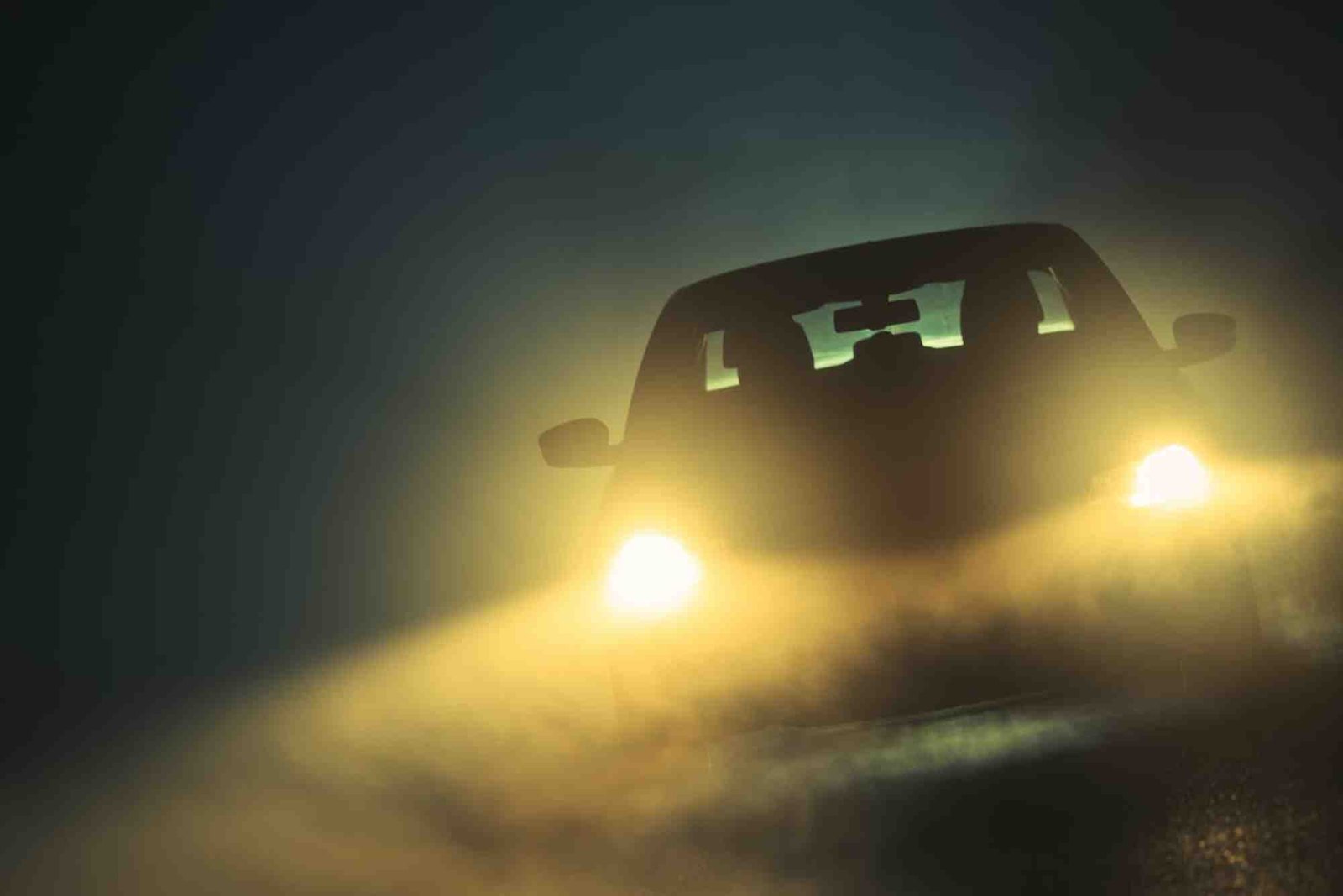
Dim car lights can be more than an inconvenience—they pose a real safety risk. If your headlights or tail lights seem weak, it’s crucial to address the problem promptly. In this guide, we’ll explain how to fix dim car lights step by step, including common causes and professional tips to keep your car lighting in top condition.
Understanding the Causes of Dim Car Lights
Before attempting any fixes, it’s essential to understand why your lights may be dim. Several factors can contribute:
Weak or Old Bulbs
Car bulbs lose brightness over time. Halogen bulbs dim gradually, while LED and HID lights can experience failure or flickering.
Dirty or Cloudy Headlight Lenses
Headlights accumulate dirt, grime, and oxidation. Cloudy lenses reduce light output by scattering the beam.
Electrical Problems
Corroded wiring, loose connections, or a failing alternator can prevent proper voltage from reaching your lights.
Low Battery Voltage
A weak car battery can reduce electrical power, causing lights to appear dim.
Faulty Ground Connections
Improper grounding can interfere with electrical flow, reducing headlight performance.
Step-by-Step Guide on How to Fix Dim Car Lights
Now that we know the causes, let’s explore actionable steps to fix dim car lights.
Check and Replace Old Bulbs
- Inspect Bulbs
Turn on your headlights and examine them closely. Look for blackened or cloudy bulbs. - Replace if Necessary
If bulbs are old or damaged, replace them with new ones that match your car’s specifications. Always check the manual for the correct bulb type.
Clean or Restore Headlight Lenses
- Wash Lenses
Use soap and water to remove surface dirt. Dry thoroughly. - Apply a Headlight Restoration Kit
For cloudy or oxidized lenses, a restoration kit can polish the surface, improving light output. - DIY Alternatives
A mixture of baking soda and vinegar can lightly polish and remove minor oxidation.
Check Electrical Connections
- Inspect Wiring
Look for frayed wires, corrosion, or loose connections behind the headlights. - Tighten Connections
Ensure all wires are firmly connected to prevent power loss. - Replace Damaged Wires
Any damaged wiring should be replaced immediately to restore proper function.
Test Your Car Battery and Alternator
- Check Battery Voltage
A healthy battery should have around 12.6 volts when the car is off. Low voltage may cause dim lights. - Test the Alternator
The alternator should provide 13.5–14.5 volts while running. If not, a failing alternator may need replacement.
Improve Ground Connections
- Locate the Ground Wires
Typically attached to the car body near the headlights. - Clean the Contact Points
Remove corrosion or rust for a solid electrical connection. - Secure the Connection
Tighten the ground wire to ensure consistent power flow.
Upgrade Your Headlights
If your lights are still dim after troubleshooting, consider upgrading:
- LED or HID Kits
These offer brighter, more efficient light than traditional halogen bulbs. - Check Compatibility
Ensure the upgrade is compatible with your car’s electrical system to prevent overheating.
Preventing Dim Car Lights in the Future
Maintaining bright car lights is easier than fixing them repeatedly. Here’s how:
Regular Cleaning
Clean your headlights at least once a month to prevent dirt buildup.
Routine Bulb Checks
Inspect bulbs every 6–12 months and replace before they dim significantly.
Battery and Alternator Maintenance
Check electrical systems periodically to prevent low voltage issues.
Protect Lenses
Apply a UV-protective coating to headlights to slow oxidation.
Signs Your Car Lights Need Immediate Attention
Even minor dimming can signal bigger problems. Look out for:
- Flickering or uneven light output
- One headlight significantly dimmer than the other
- Electrical issues such as dashboard warning lights
- Battery warning light or repeated electrical faults
Addressing these issues promptly can prevent accidents and costly repairs.
Recommended Family Cars with Complete Features – Choosing the right family car means balancing safety, comfort, and convenience. Recommended models offer spacious interiors, advanced safety systems, fuel efficiency, and entertainment features, ensuring every journey is smooth and enjoyable for all family members. Perfect for daily drives and long trips.
FAQs About How to Fix Dim Car Lights
Why are my car lights dim at night?
Dim lights at night often result from weak bulbs, dirty lenses, or low battery voltage.
Can a dirty headlight lens really reduce visibility?
Yes, cloudy or dirty lenses can scatter light, reducing brightness and beam clarity.
Is it safe to drive with dim headlights?
Driving with dim headlights is unsafe, especially at night or in bad weather. Fix the issue promptly.
How much does it cost to fix dim headlights?
Replacing bulbs may cost $20–$50, while a restoration kit ranges $10–$30. Electrical repairs vary by complexity.
Can LED lights make my car headlights brighter?
Yes, LED lights are typically brighter and more energy-efficient than halogen bulbs.
How often should I check my car’s headlights?
Check headlights every 6–12 months, or more frequently if you notice dimming.
Dim car lights are more than a nuisance—they affect your safety and driving visibility. By checking bulbs, cleaning lenses, inspecting electrical systems, and upgrading lighting when needed, you can restore your headlights to peak performance. Regular maintenance ensures your car lights remain bright for years.
Take control of your car’s lighting today and drive safely. Inspect your headlights, test your battery, and enjoy clear visibility on every journey.
