
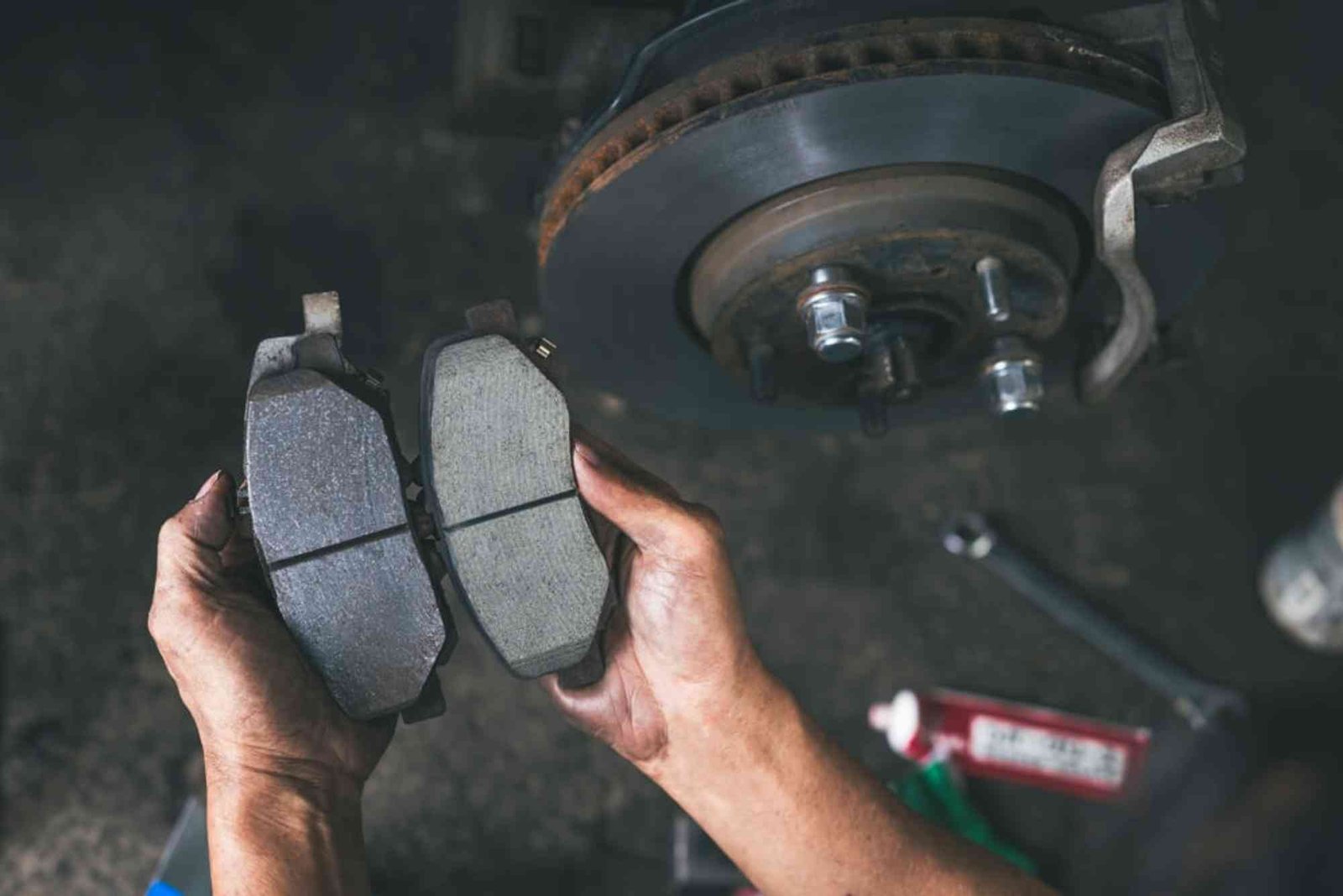
Squeaky brakes are more than an annoyance—they can signal underlying issues with your vehicle’s braking system. If left unchecked, squeaking can reduce braking efficiency and lead to costly repairs. Knowing how to fix squeaking noises in car brakes helps you maintain safety and avoid unnecessary expenses. This guide provides practical steps and professional advice to address this common automotive problem.
Understanding Why Car Brakes Squeak
Worn Brake Pads
Brake pads are designed to wear over time. Thin or unevenly worn pads can produce a high-pitched squeal when they rub against the rotor.
Glazed Brake Pads or Rotors
Excessive heat from frequent braking can glaze the surface of pads or rotors. Glazing reduces friction and causes a metallic squeak during braking.
Lack of Lubrication
Brake components, including caliper slides and pad contact points, need proper lubrication. Dry or corroded parts can create squeaking noises.
Debris Between Pad and Rotor
Small stones, dirt, or rust buildup can lodge between the pad and rotor, leading to intermittent squeaking during braking.
Environmental Factors
Moisture from rain or washing your car can temporarily cause brake noise. This is usually minor and resolves after the brakes warm up.

Tools and Materials Needed
Before starting any brake work, gather these essentials:
- Jack and jack stands
- Lug wrench
- C-clamp or brake piston tool
- Brake cleaner
- Wire brush
- Anti-squeal brake lubricant
- Safety gloves and glasses
Having the right tools ensures a smooth and safe process.
How to Fix Squeaking Noises in Car Brakes
Inspect the Brake System
Check Brake Pads and Rotors
Remove the wheel and visually inspect the pads for thickness. Pads thinner than a quarter-inch may need replacement. Examine the rotor surface for grooves or rust.
Look for Debris
Clean any stones, dirt, or rust lodged in the brake assembly. A wire brush or compressed air works well for removing debris.
Clean and Lubricate
Use Brake Cleaner
Spray brake cleaner on pads, rotors, and calipers to remove brake dust. Brake cleaner prevents residue from causing squeaks.
Apply Anti-Squeal Lubricant
Use high-temperature brake grease on caliper slides, pad backing plates, and contact points. Avoid getting lubricant on the rotor surface.
Replace Worn Components
Change Brake Pads
If pads are thin or glazed, replace them. Always choose high-quality pads suitable for your vehicle type.
Resurface or Replace Rotors
Grooved or warped rotors may require resurfacing or replacement. This ensures smooth contact and eliminates squeaks.
Adjust Brake Hardware
Check Caliper Function
Ensure calipers move freely. Sticking calipers can cause uneven pad wear and noise.
Tighten Loose Components
Inspect mounting bolts and hardware. Loose or rattling parts can amplify brake squeaks.
Test Your Brakes
Perform a Controlled Test Drive
After reassembling, drive slowly in a safe area. Listen for noise during braking and ensure smooth stopping.
Monitor Performance
Brake squeaks should be minimal after proper maintenance. Persistent noise may indicate deeper issues requiring professional inspection.
Tips to Prevent Squeaking Brakes
- Use high-quality brake pads suited to your vehicle.
- Avoid sudden heavy braking when possible.
- Regularly clean brakes to prevent dust buildup.
- Inspect brakes every 10,000 miles or during tire rotations.
Common Mistakes to Avoid
- Applying lubricant directly on the rotor
- Ignoring uneven wear signs
- Using low-quality or incompatible pads
- Delaying brake inspection despite squeaks
Addressing squeaks early prevents costly repairs and improves braking safety.
Balio.id – Balio.id is your go-to platform for insightful lifestyle tips, travel guides, and the latest trends. From wellness advice to inspiring destinations, Balio.id delivers content that enriches your daily life, helping you explore, relax, and live smarter. Stay updated and make every day more vibrant with Balio.id.
fAQ: How to Fix Squeaking Noises in Car Brakes
Why do my brakes squeak only in the morning?
Morning moisture or dew can temporarily cause brake pads to squeak. This usually disappears after the brakes warm up.
Can I drive with squeaky brakes?
Minor squeaks are not immediately dangerous, but persistent noise may indicate worn pads or other issues requiring attention.
Will replacing brake pads stop the squeaking?
Yes, new pads often eliminate squeaks, especially if the old pads were thin or glazed. Proper installation is key.
How often should I check my brakes?
Brake inspection every 10,000 to 15,000 miles or during tire rotation helps catch issues before they cause squeaks or failure.
Are ceramic brake pads quieter than metallic ones?
Ceramic pads produce less noise and dust than metallic pads, but cost more. They are ideal for quiet daily driving.
Can I fix squeaky brakes myself?
Basic maintenance like cleaning, lubricating, or replacing pads is DIY-friendly. Complex issues like warped rotors may require professional help.
Squeaky brakes can be alarming, but most causes are easy to fix with the right tools and knowledge. By inspecting, cleaning, lubricating, and replacing worn components, you can restore quiet and efficient braking. Regular maintenance prevents further damage and ensures your vehicle remains safe on the road.
Take action today: inspect your brakes, address squeaks early, and enjoy smoother, safer driving. For professional help, consult a trusted mechanic or brake service to handle complex issues efficiently.

