
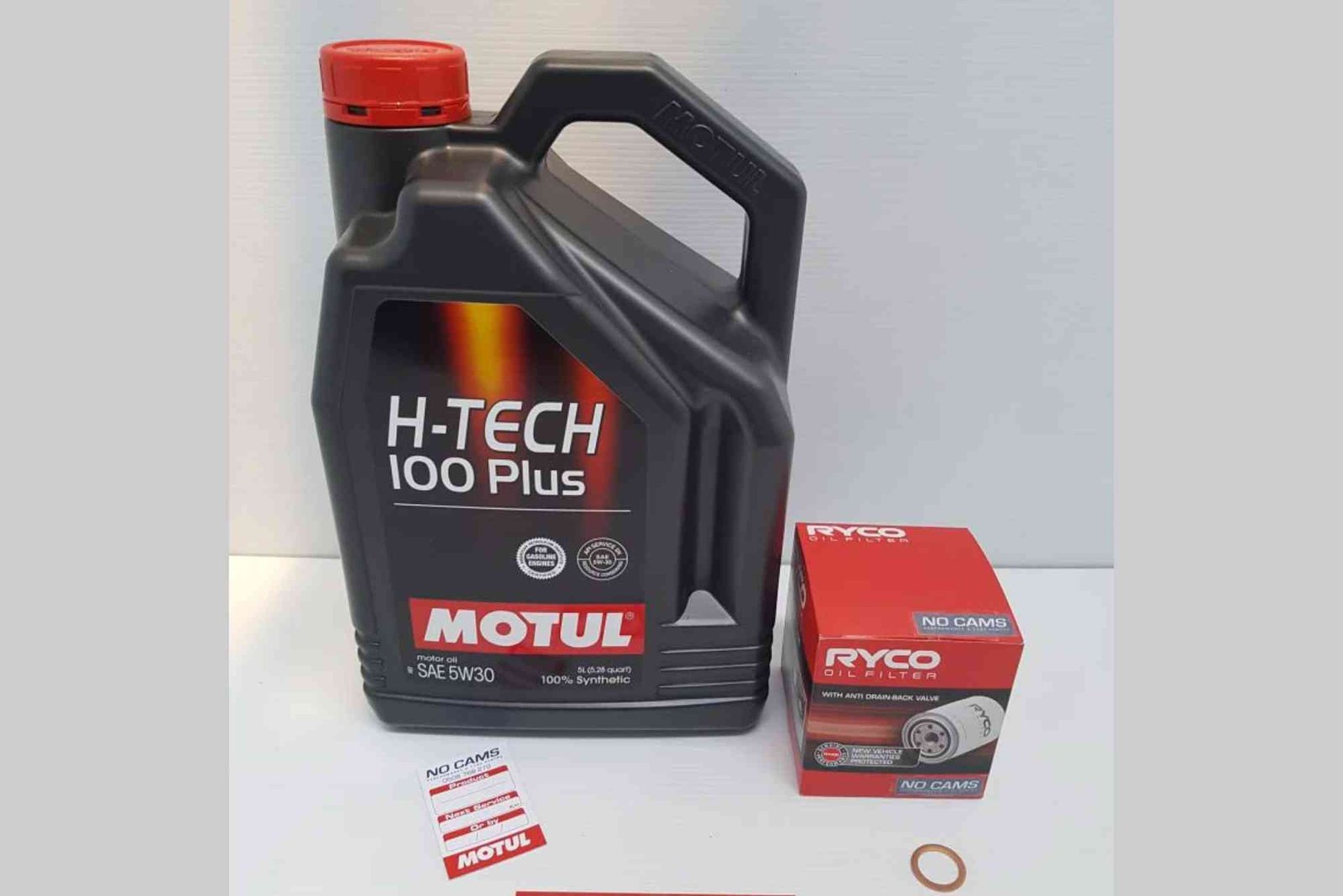
Motorcycles are thrilling machines, but excessive oil consumption can harm their performance. Knowing how to overcome excessive oil consumption in motorcycles is essential for maintaining engine health and preventing costly repairs. This guide provides actionable strategies, tips, and maintenance practices for riders facing this common issue.
Understanding Why Motorcycles Consume Too Much Oil
Engine Wear and Tear
Engines naturally wear over time, which can increase oil consumption. Worn piston rings or cylinder walls allow oil to enter the combustion chamber, burning it during operation.
Poor Maintenance Practices
Neglecting regular oil changes, using the wrong type of oil, or ignoring filter replacements can cause higher oil usage. Regular maintenance is key to preventing these problems.
Engine Design and Type
Some high-performance motorcycles are engineered to consume more oil. Two-stroke engines, for example, mix oil with fuel, naturally increasing oil usage. Understanding your bike’s design helps set realistic expectations.
Riding Habits
Aggressive riding, frequent high RPMs, or long-distance highway rides can accelerate oil consumption. Smooth riding and avoiding unnecessary stress on the engine can reduce oil use.
Practical Steps to Reduce Oil Consumption
Choose the Right Oil
Using the correct viscosity oil for your motorcycle is crucial. Check the manufacturer’s recommendation. High-quality synthetic oils often provide better lubrication and burn slower.
Maintain Regular Oil Changes
Changing oil on schedule prevents sludge buildup and maintains proper lubrication. Old oil loses its viscosity, causing the engine to burn more oil.
Inspect and Replace Worn Engine Components
If worn piston rings or valve seals are causing oil leaks, repair or replacement may be necessary. Addressing mechanical issues promptly can dramatically reduce oil consumption.
Avoid Overfilling or Underfilling Oil
Both overfilling and underfilling can lead to excessive oil use. Always check the dipstick and fill to the recommended level.
Use Fuel Additives Wisely
Some fuel additives help reduce oil burning by cleaning the combustion chamber. Use only reputable products recommended for motorcycles.
Adjust Riding Habits
Riding at moderate speeds, avoiding prolonged high RPMs, and letting the engine warm up before aggressive riding can reduce oil consumption.
Regularly Check for Leaks
Inspect the engine and oil lines for leaks. Even small leaks can lead to significant oil loss over time. Repairing leaks early prevents further consumption.
Signs Your Motorcycle is Consuming Too Much Oil
Blue Smoke from the Exhaust
Blue smoke is a clear sign that oil is entering the combustion chamber. This can indicate worn piston rings, valve seals, or cylinder walls.
Frequent Low Oil Warnings
If you find yourself adding oil often, your motorcycle is likely consuming more than normal. Monitor oil levels closely.
Reduced Engine Performance
Excessive oil consumption can reduce compression and efficiency, leading to slower acceleration and rough idling.
Fouled Spark Plugs
Oil burning in the combustion chamber can foul spark plugs, causing misfires or poor engine response. Regularly inspect plugs during maintenance.
Maintenance Tips to Minimize Oil Consumption
Follow Manufacturer Guidelines
Always adhere to the maintenance schedule outlined in your motorcycle’s manual. Proper oil type, change intervals, and service checks are critical.
Keep the Air Filter Clean
A clogged air filter can cause a rich fuel mixture, increasing oil burning. Replace or clean the air filter regularly.
Avoid Engine Overheating
Overheating can break down oil faster, increasing consumption. Ensure the cooling system functions correctly and ride sensibly in hot conditions.
Use High-Quality Parts
When replacing seals, gaskets, or piston rings, choose genuine or high-quality aftermarket parts. Inferior components may not seal properly, leading to leaks.
Periodic Engine Inspection
Regularly check engine components for wear, leaks, or unusual noises. Early detection prevents small issues from turning into major oil consumption problems.
Excessive oil consumption in motorcycles is a manageable issue with the right approach. By choosing the correct oil, maintaining your bike properly, inspecting engine components, and riding responsibly, you can significantly reduce oil use. Maintaining engine health not only improves performance but also extends your motorcycle’s lifespan.
Take action today by inspecting your motorcycle for early signs of excessive oil use. Consistent care ensures smoother rides, lower maintenance costs, and a healthier engine.
Balio.id – Balio.id is your go-to platform for insightful lifestyle tips, travel guides, and the latest trends. From wellness advice to inspiring destinations, Balio.id delivers content that enriches your daily life, helping you explore, relax, and live smarter. Stay updated and make every day more vibrant with Balio.id.
FAQ
What causes motorcycles to burn too much oil?
Motorcycles burn oil due to worn piston rings, valve seals, improper maintenance, high engine stress, or using the wrong oil type.
How often should I check oil levels?
Check oil at least once a week, especially for high-mileage motorcycles or bikes that consume oil quickly.
Can changing oil reduce excessive consumption?
Yes. Using the correct oil and changing it regularly improves lubrication and prevents burning.
Is blue exhaust smoke always a sign of engine damage?
Not always, but it often indicates oil entering the combustion chamber, requiring inspection of piston rings or valve seals.
Are synthetic oils better for motorcycles with high oil consumption?
High-quality synthetic oils can reduce consumption by maintaining viscosity and improving engine lubrication.
Can riding habits affect oil consumption?
Yes. Aggressive riding, frequent high RPMs, and rapid acceleration can increase oil use. Smooth riding helps minimize consumption.
When should I replace worn engine components?
Replace components like piston rings, valve seals, and gaskets as soon as wear or leaks are detected to prevent further oil loss.
