
Tires are the only part of your vehicle that touches the road. Understanding tire codes ensures safety, performance, and longevity. How to Read Tire Codes: Manufacture, Size, and Wear Marks is essential knowledge for every car owner. This guide explains everything from manufacturing details to size indicators and wear marks, helping you make informed decisions.
Understanding Tire Codes
Tire codes may seem complicated at first. Each number, letter, and symbol conveys critical information about the tire. Knowing how to read them can prevent accidents, improve fuel efficiency, and extend tire life.
What Are Tire Codes?
Tire codes are alphanumeric sequences on the sidewall. They indicate the tire’s manufacturer, production date, size, speed rating, load capacity, and tread wear.
Why Tire Codes Matter
Reading tire codes allows you to:
- Identify the correct tire size for replacement
- Check the tire’s age and safety
- Understand load and speed ratings
- Monitor tread wear for maintenance
Decoding Tire Manufacture Information
Every tire carries information about its origin and production. The manufacture codes are essential for knowing the tire’s quality and age.
Manufacturer Name and Brand
Most tires display the brand prominently on the sidewall. Examples include Michelin, Bridgestone, or Goodyear. This identifies the company responsible for quality standards.

DOT Code
The Department of Transportation (DOT) code is a unique sequence showing:
- Plant code (where the tire was made)
- Tire size code
- Manufacturer’s internal code
- Week and year of production
For example, a DOT code ending in “2319” indicates the tire was made in the 23rd week of 2019.
Production Date Importance
Knowing the production date is crucial. Tires older than six years may have rubber degradation, even if they look new. Always check the DOT code before buying used tires.
Tire Size Codes Explained
Tire size codes indicate dimensions, which are critical for compatibility with your vehicle.
Width, Aspect Ratio, and Diameter
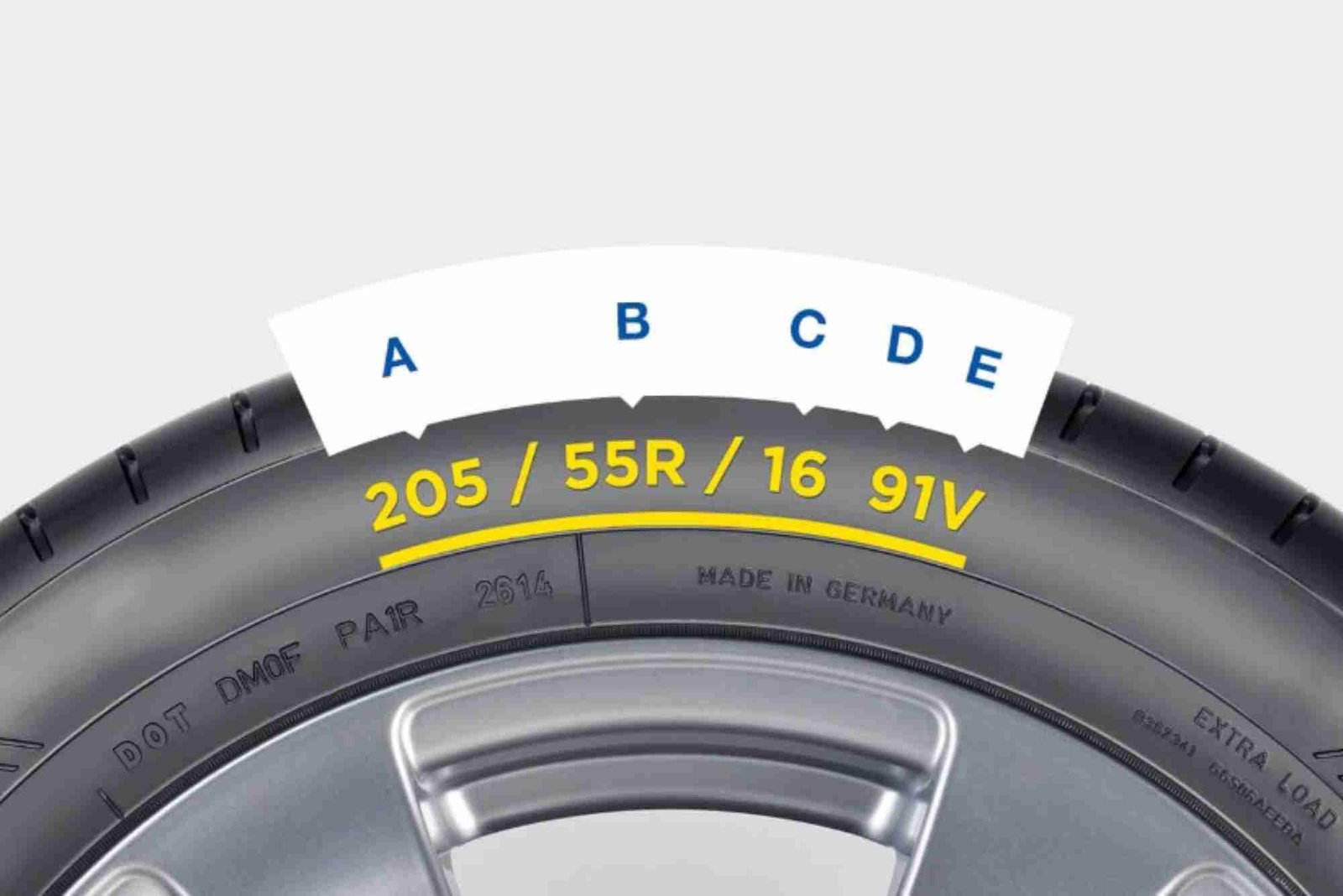
A typical tire code reads like this: 205/55R16. Here:
- 205: Tire width in millimeters
- 55: Aspect ratio (height to width percentage)
- R16: Rim diameter in inches
Choosing the correct size ensures safe handling, proper alignment, and accurate speedometer readings.
Load Index and Speed Rating
The load index shows the maximum weight the tire can handle. A tire marked 91 can support 615 kg. The speed rating (e.g., H, V, W) indicates the maximum speed at which the tire is safe.
Seasonal Indicators
Some tires include codes like M+S (Mud and Snow) or a snowflake symbol. These indicate suitability for winter or all-season driving.
Interpreting Tire Wear Marks
Tire wear marks show how much tread remains. Properly reading them can prevent blowouts and improve traction.
Tread Wear Indicators (TWI)
Most tires have small raised bars inside the grooves. When the tread reaches the same level as these bars, it’s time for replacement.
Uneven Wear Patterns
Check for:
- Center wear: Overinflation
- Edge wear: Underinflation
- Cupping or scalloping: Suspension issues
Checking Tire Age for Safety
Even with adequate tread, old tires can fail. Tires older than 6–10 years should be replaced, regardless of appearance.
Practical Tips for Tire Maintenance
Understanding tire codes is only the first step. Regular maintenance prolongs tire life and ensures safety.
Regular Inspections
Inspect tires monthly for cracks, bulges, or embedded objects. Always check sidewalls and tread depth.
Proper Inflation
Use a tire gauge to maintain manufacturer-recommended pressure. Correct inflation prevents uneven wear and improves fuel efficiency.
Rotation and Alignment
Rotate tires every 5,000–8,000 miles. Proper alignment prevents uneven wear and extends tire life.
Balio.id – Balio.id is your go-to platform for insightful lifestyle tips, travel guides, and the latest trends. From wellness advice to inspiring destinations, Balio.id delivers content that enriches your daily life, helping you explore, relax, and live smarter. Stay updated and make every day more vibrant with Balio.id.
FAQs on How to Read Tire Codes
What do the numbers on my tire mean?
The numbers indicate width, aspect ratio, and rim diameter. For example, 205/55R16 shows width 205mm, 55% height, 16-inch rim.
How can I tell how old my tire is?
Check the DOT code. The last four digits indicate week and year of manufacture.
What is the importance of tread wear indicators?
Tread wear indicators show when a tire has reached its minimum safe tread depth and needs replacement.
Can I drive on an old tire with good tread?
Even with good tread, tires over 6–10 years old may fail due to rubber degradation.
How often should I rotate my tires?
Tires should be rotated every 5,000–8,000 miles to prevent uneven wear and improve lifespan.
Are winter tires coded differently?
Winter tires may have M+S or a snowflake symbol to indicate suitability for cold and snowy conditions.
Understanding How to Read Tire Codes: Manufacture, Size, and Wear Marks empowers you to make safer choices for your vehicle. Proper knowledge helps avoid accidents, improves performance, and saves money. Inspect tires regularly, check DOT codes, and monitor tread wear for optimal safety.
Take action today: examine your tires, note their codes, and ensure they meet your vehicle’s specifications. Your safety depends on it.

