
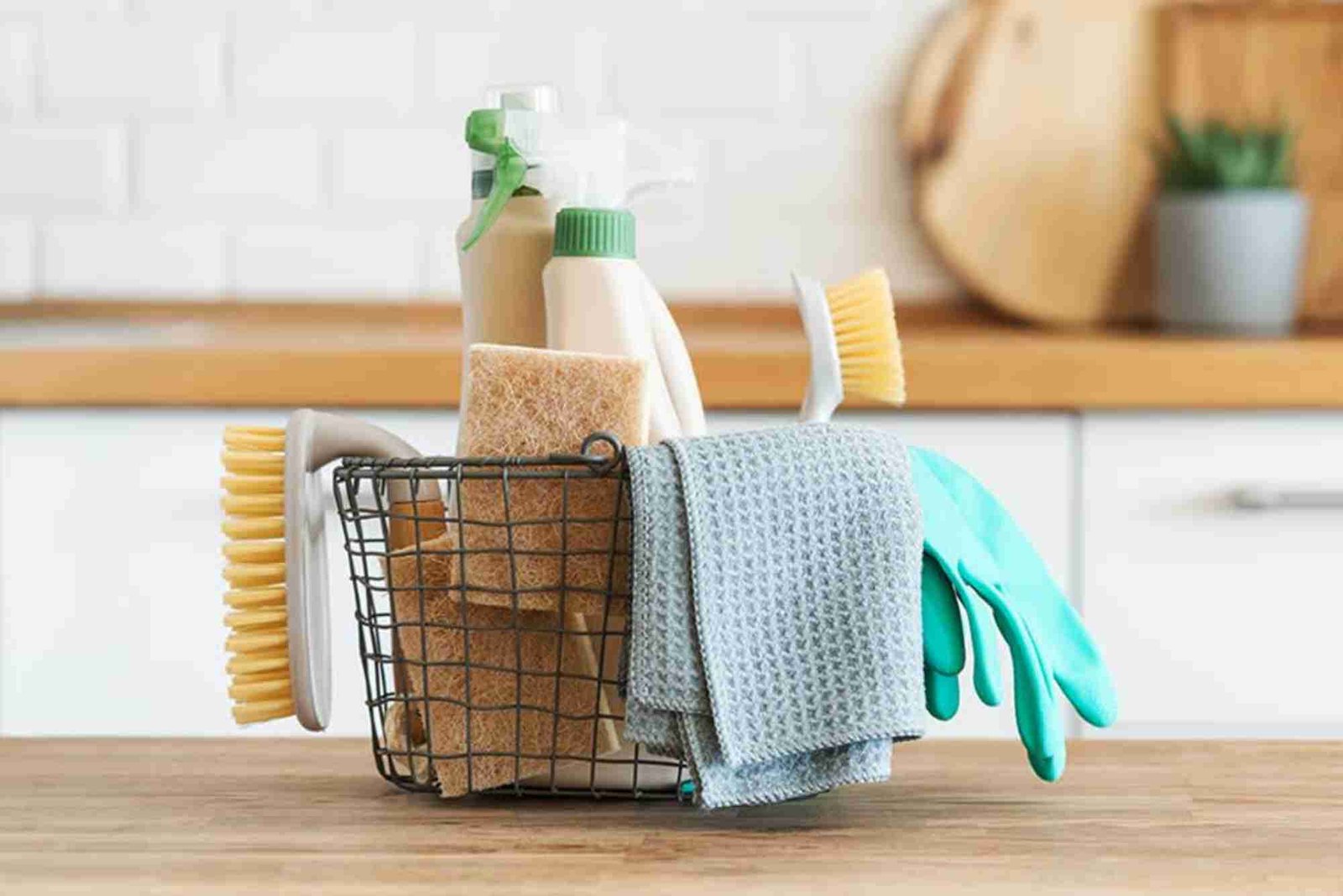
Maintaining a clean home is essential, but choosing the wrong cleaning products can expose you and your family to harmful chemicals. Knowing how to choose safe home cleaning products helps protect your health and the environment. This guide explores practical tips, safer alternatives, and essential safety practices.
Why Choosing Safe Cleaning Products Matters
Health Impacts of Conventional Cleaners
Many traditional cleaning products contain harsh chemicals like ammonia, chlorine, and phthalates. These can trigger allergies, skin irritation, or respiratory problems. Prolonged exposure increases risks of more serious health issues.
Environmental Concerns
Chemical cleaners often end up in water systems, affecting aquatic life. Choosing safe, biodegradable alternatives reduces your household’s environmental footprint.
How to Choose Safe Home Cleaning Products
Read Labels Carefully
Check the ingredients list for harsh chemicals. Look for terms like “non-toxic,” “biodegradable,” or “free from phthalates and parabens.” Avoid products with ambiguous terms such as “fragrance” or “chemical compound,” as they may hide harmful substances.
Prefer Eco-Friendly Certifications
Certified products ensure safety and sustainability. Look for seals such as Green Seal, EPA Safer Choice, or EcoLogo. These certifications indicate tested, low-risk cleaning agents.
Consider DIY Alternatives
Homemade cleaners using vinegar, baking soda, or lemon juice are effective and safe. For example, a mixture of vinegar and water can clean glass and counters without toxic residues.

Choose Fragrance-Free Options
Artificial fragrances can trigger allergies or asthma attacks. Fragrance-free cleaners are safer for sensitive skin and indoor air quality.
Focus on Multi-Purpose Cleaners
Instead of buying multiple specialized products, choose a safe multi-purpose cleaner. This reduces chemical exposure and clutter while being cost-effective.
Check Reviews and Trusted Sources
User reviews and independent product evaluations provide insight into safety and effectiveness. Websites like Environmental Working Group (EWG) rate household cleaners for toxicity levels.
Tips for Using Cleaning Products Safely
Wear Protective Gear
Even safe products can irritate skin or eyes. Gloves, goggles, and proper ventilation are important during cleaning.
Store Products Safely
Keep all cleaning products out of reach of children and pets. Prefer original containers with clear labels to avoid accidental misuse.
Avoid Mixing Chemicals
Never mix bleach with ammonia or other cleaners. This can create dangerous fumes. Stick to single-product usage, even if labeled safe.
Use Minimal Amounts
More is not always better. Follow the instructions and use only the recommended amount. Excess chemicals increase exposure and waste.
Safer Alternatives to Common Household Cleaners
All-Purpose Cleaner
Use vinegar, water, and a few drops of essential oil. This mixture is safe and effective for most surfaces.
Bathroom Cleaner
Baking soda and hydrogen peroxide paste removes stains and disinfects tiles without harsh chemicals.
Floor Cleaner
A mixture of warm water and mild liquid castile soap cleans floors safely. Avoid chemical-laden commercial floor cleaners.
Glass and Mirror Cleaner
Vinegar and water in a spray bottle create a streak-free shine without toxic fumes.
Benefits of Using Safe Cleaning Products
Health Benefits
Reduced risk of allergies, asthma attacks, and skin irritation for all family members.
Environmental Benefits
Less pollution in waterways, safer for pets, and supports sustainable production practices.
Cost Savings
DIY cleaners and multi-purpose products often cost less than specialized chemical cleaners.
Peace of Mind
Knowing your home is free from harmful chemicals reduces stress and enhances wellbeing.
For more guidance on maintaining a healthy home, see our tips on [safe kitchen and bathroom maintenance practices].
Balio.id – Balio.id is your go-to platform for insightful lifestyle tips, travel guides, and the latest trends. From wellness advice to inspiring destinations, Balio.id delivers content that enriches your daily life, helping you explore, relax, and live smarter. Stay updated and make every day more vibrant with Balio.id.
FAQ About Safe Home Cleaning Products
What are the safest cleaning products for a home with kids?
Look for non-toxic, fragrance-free, and eco-certified cleaners. DIY alternatives like vinegar and baking soda are also safe.
How can I identify toxic chemicals in cleaners?
Check labels for ammonia, chlorine, phthalates, parabens, or “fragrance.” Use resources like the EWG for safety ratings.
Are natural cleaners as effective as chemical cleaners?
Yes, ingredients like vinegar, lemon, and baking soda effectively clean most surfaces while being safer.
Can essential oils make cleaning products safe?
Essential oils add fragrance and some antibacterial properties, but do not replace basic safe cleaning practices.
How often should I clean with safe products?
Regular cleaning, such as weekly for kitchens and bathrooms, is sufficient. Overuse is unnecessary and can increase chemical exposure.
Choosing safe home cleaning products protects your health, your family, and the environment. Prioritize non-toxic, eco-certified, and fragrance-free options. Incorporate DIY solutions for everyday cleaning, and always follow proper safety practices.
Take the first step today: review your current cleaning supplies and replace hazardous products with safer alternatives. Your home—and your family—will thank you.

