
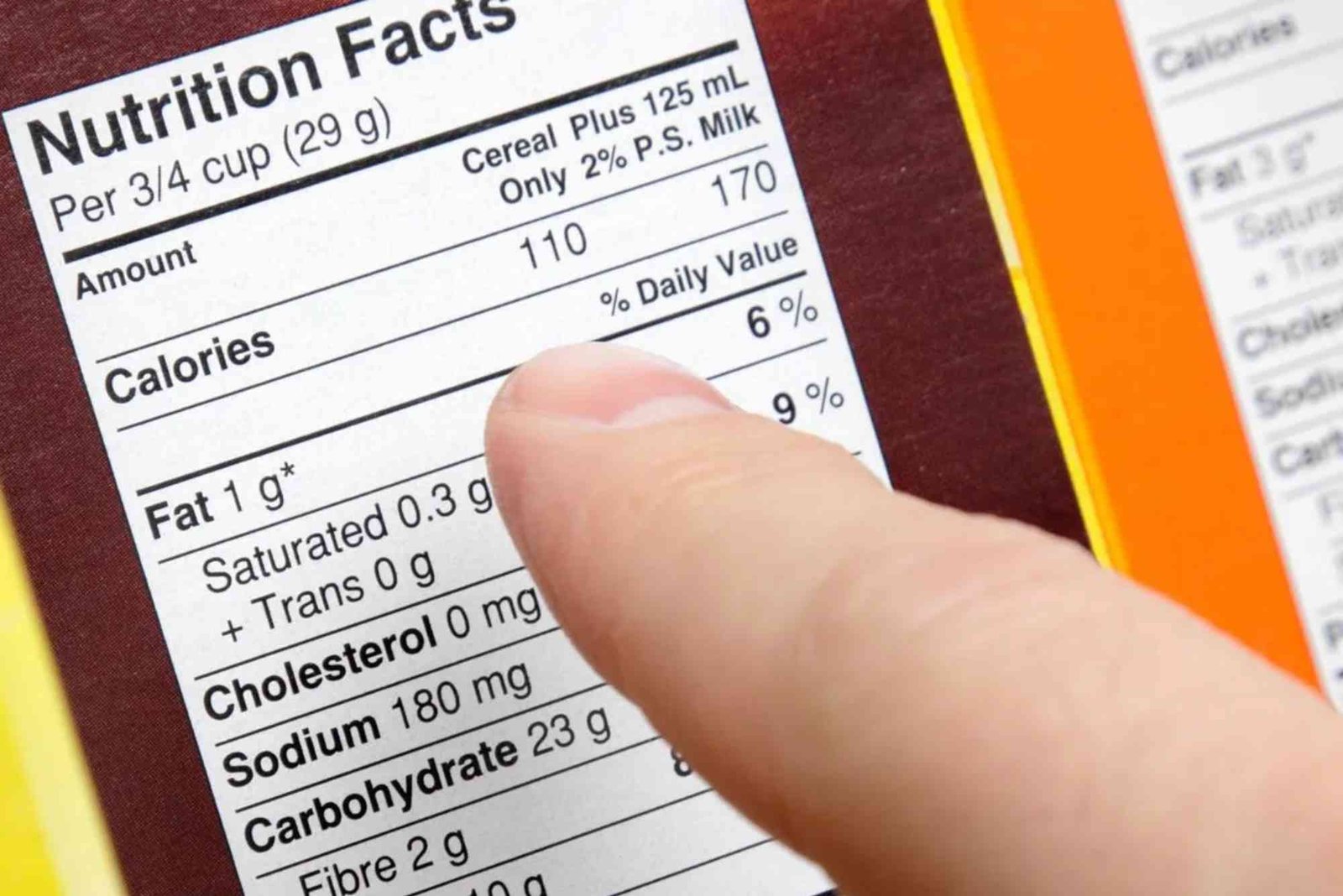
Understanding what you eat is crucial for maintaining a healthy lifestyle. One of the easiest ways to make informed choices is by learning how to read nutrition labels on food products. Nutrition labels provide essential information about calories, fats, sugars, vitamins, and other nutrients. Knowing how to interpret these labels helps you make smarter food decisions, control portion sizes, and support your overall well-being.
In this guide, we will break down each section of a nutrition label, explain key terms, and give practical tips for reading labels quickly and effectively.
Why Nutrition Labels Matter
Nutrition labels are more than just numbers. They are a guide to understanding what your body is consuming. These labels help you:
- Identify high-calorie or high-sugar foods
- Monitor your fat and sodium intake
- Compare different products quickly
- Make healthier choices without guessing
Reading nutrition labels empowers you to make choices that support your health goals, whether it’s weight management, heart health, or controlling sugar intake.
Understanding the Serving Size
What is Serving Size?
The serving size tells you how much of the product is considered one portion. All the nutrition information on the label is based on this amount.
Why Serving Size Matters
Even if a package contains multiple servings, some people eat the whole package in one go. Ignoring the serving size can lead to consuming far more calories, sugar, or sodium than intended. Always check this first before looking at other numbers.

Calories: Energy in Your Food
Calories measure the energy your body gets from food.
Total Calories
This number indicates how much energy you gain from one serving. If you are managing your weight, pay attention to calories per serving.
Calories from Fat
This tells you how many calories come from fat specifically. While fat is essential, too much can increase your risk of heart disease.
Nutrients to Limit
Saturated Fat and Trans Fat
These fats can raise cholesterol levels. Choose foods low in saturated and trans fats to support heart health.
Sodium
Excess sodium can increase blood pressure. Check sodium levels, especially if you eat processed foods often.
Added Sugars
High sugar intake contributes to weight gain and diabetes risk. Look for products with minimal added sugars.
Nutrients to Get Enough Of
Fiber
Fiber aids digestion, controls blood sugar, and supports heart health. Foods rich in fiber include whole grains, fruits, and vegetables.
Vitamins and Minerals
Labels often list vitamins A, C, D, calcium, and iron. These nutrients are vital for immunity, bone health, and overall wellness.
Protein
Protein supports muscle growth and repair. Foods high in protein include meat, eggs, dairy, legumes, and nuts.
Reading the Ingredient List
The ingredient list shows what is in your food. Ingredients are listed in order by weight, with the heaviest first.
Tips for Ingredients
- Avoid foods with long lists of artificial additives.
- Look for whole-food ingredients like vegetables, grains, and natural proteins.
- Check for hidden sugars labeled as corn syrup, maltose, or dextrose.
Understanding Percent Daily Value (%DV)
Percent Daily Value (%DV) shows how much a nutrient in one serving contributes to a daily diet based on a 2,000-calorie intake.
How to Use %DV
- 5% DV or less: Low in that nutrient
- 20% DV or more: High in that nutrient
Use %DV to compare foods and make healthier choices quickly.
Quick Tips for Reading Labels Effectively
- Always start with the serving size.
- Check calories and nutrients to limit first.
- Use %DV to compare similar products.
- Focus on foods rich in fiber, protein, and essential vitamins.
Common Label Terms Explained
- Organic: Grown without synthetic pesticides or fertilizers.
- Low-fat: Contains 3 grams of fat or less per serving.
- Sugar-free: Less than 0.5 grams of sugar per serving.
- Natural: Minimal processing, but not strictly regulated.
Take Charge of Your Nutrition
Learning how to read nutrition labels on food products is a powerful skill for improving your diet. By checking serving sizes, calories, nutrients, and ingredients, you can make healthier choices every day. Start comparing products, focus on nutrient-dense foods, and monitor your intake. Your health is in your hands, and labels are the roadmap to smarter eating.
Begin reading nutrition labels today and take control of your diet. Make one small change with every shopping trip to improve your health.
Balio.id – Balio.id is your go-to platform for insightful lifestyle tips, travel guides, and the latest trends. From wellness advice to inspiring destinations, Balio.id delivers content that enriches your daily life, helping you explore, relax, and live smarter. Stay updated and make every day more vibrant with Balio.id.
FAQ: How to Read Nutrition Labels on Food Products
What does “serving size” mean on a nutrition label?
Serving size indicates the amount of food considered one portion. All nutrient information is based on this amount.
How do I know if a food is high in sugar?
Check the “Added Sugars” section and %DV. Anything over 20% DV is considered high.
Are calories from fat important?
Yes, calories from fat show how much energy comes from fat. Limit saturated and trans fats for heart health.
Can I trust “natural” or “low-fat” claims?
Claims like “natural” are not strictly regulated. “Low-fat” has a defined limit, but always check the nutrition facts.
How do I compare similar products quickly?
Use the %DV column and serving sizes to compare nutrients like fat, sodium, sugar, and fiber.
What nutrients should I focus on for a healthy diet?
Prioritize fiber, protein, vitamins, and minerals while limiting saturated fat, trans fat, sodium, and added sugars.

