
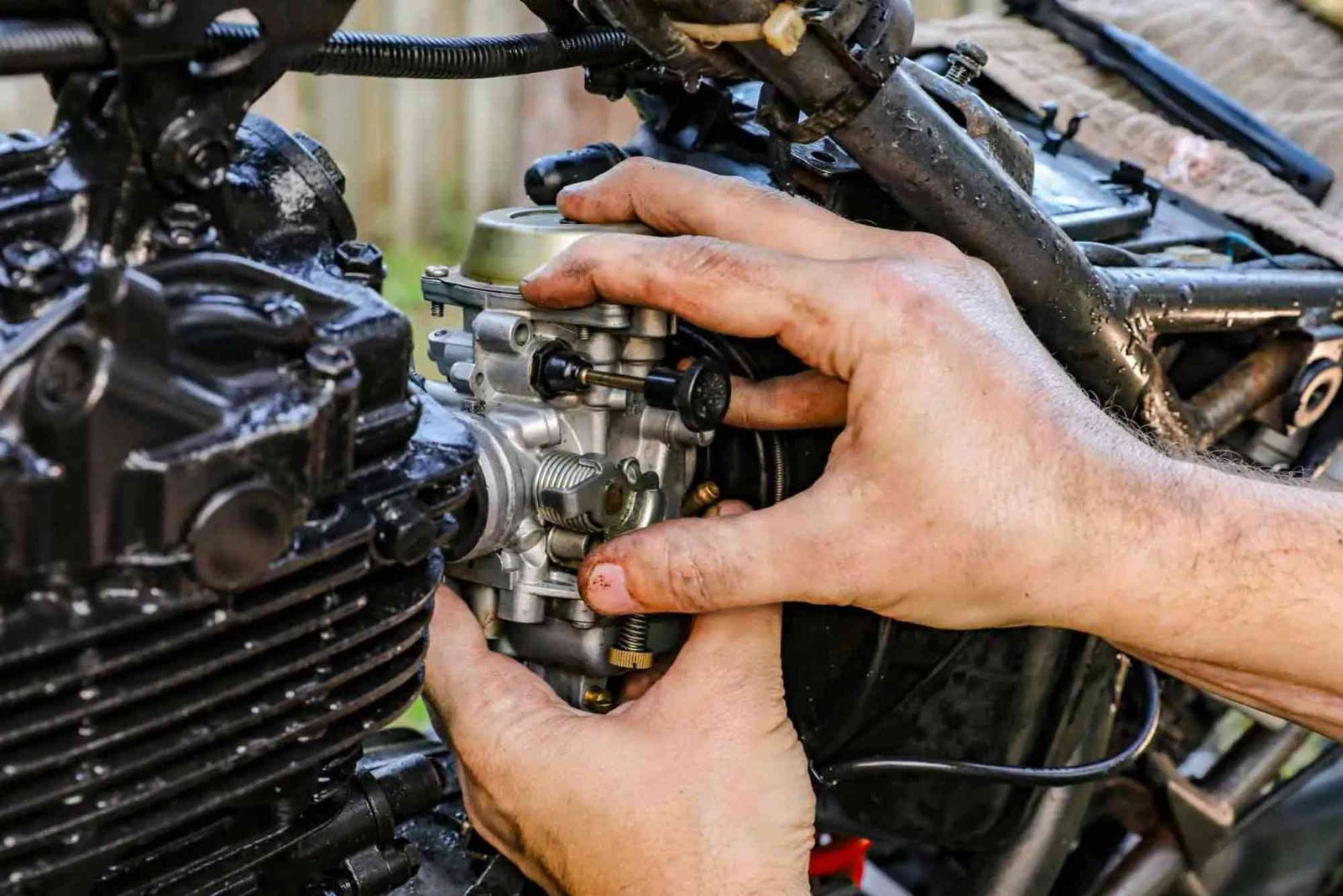
A motorcycle’s carburetor plays a critical role in mixing air and fuel for efficient engine performance. Over time, dirt, debris, or varnish can accumulate, affecting your bike’s performance. Knowing how to clean a motorcycle carburetor: when to clean and signs of dirt is essential for any rider who wants a smooth ride and a long-lasting engine.
Cleaning a carburetor may sound intimidating, but with the right steps, it becomes manageable. This guide explains when to clean, how to do it, and what signs indicate a dirty carburetor.
Signs Your Motorcycle Carburetor Needs Cleaning
Recognizing a dirty carburetor early prevents engine damage and poor performance. Here are common warning signs:
Engine Hesitation or Stalling
If your engine hesitates or stalls at low speeds, your carburetor may be clogged. This happens when dirt blocks fuel flow, reducing combustion efficiency.
Rough Idling
A carburetor in poor condition can cause irregular engine idling. Your bike may rev up or down unexpectedly while stationary.
Black Smoke from Exhaust
Excess fuel caused by improper air-fuel mixture can produce black smoke. This is a clear sign your carburetor is not functioning properly.

Poor Fuel Economy
If you notice unusually high fuel consumption, your carburetor may need cleaning. Blockages can make the engine burn more fuel than necessary.
Hard Starting
A motorcycle that takes several attempts to start might have a dirty carburetor. Fuel blockage prevents proper combustion.
When to Clean Your Motorcycle Carburetor
Timing is crucial. Regular maintenance avoids major issues and prolongs engine life.
Scheduled Maintenance
Follow your motorcycle’s manual for carburetor cleaning intervals. Many manufacturers suggest cleaning every 10,000 to 15,000 miles.
After Fuel Changes
Using low-quality fuel or ethanol-rich fuel can leave deposits in the carburetor. Clean it promptly if switching fuel types.
Seasonal Cleaning
If your bike sits idle for months, fuel can gum up and clog jets. Seasonal cleaning ensures smooth performance at the start of riding season.
Tools and Materials You Will Need
Before starting, gather the necessary tools for safety and efficiency.
Basic Tools
You’ll need screwdrivers, pliers, a socket set, and a wrench set. A small container helps keep screws and parts organized.
Cleaning Materials
Carburetor cleaner, compressed air, and a soft brush are essential. Gloves and safety glasses protect your hands and eyes.
Replacement Parts (Optional)
Inspect gaskets, O-rings, and floats. Replace damaged components to avoid leaks and ensure proper operation.
Step-by-Step Guide to Cleaning a Motorcycle Carburetor
Following a structured method prevents mistakes and ensures thorough cleaning.
Remove the Carburetor
Turn off the fuel valve and disconnect the fuel line. Loosen clamps connecting the carburetor to the engine and air filter.
Disassemble Carefully
Take apart the carburetor by removing the float bowl, jets, and screws. Keep parts organized to avoid confusion during reassembly.
Inspect for Damage
Look for cracks, worn gaskets, or clogged jets. Replace any damaged components before cleaning.
Clean the Jets and Passages
Spray carburetor cleaner into jets and passages. Use compressed air to blow out dirt and debris. Avoid using metal tools that can scratch or enlarge passages.
Clean the Float Bowl
Remove residue and varnish from the float bowl. Soak if necessary, but avoid prolonged exposure to harsh chemicals.
Reassemble and Reinstall
Reassemble the carburetor carefully, making sure all components are correctly placed. Reattach it to the engine and reconnect the fuel line.
Adjust Idle and Mixture
Start the engine and adjust idle speed and air-fuel mixture according to the manufacturer’s manual. Fine-tuning ensures optimal performance.
Tips for Preventing Carburetor Dirt
Preventive measures reduce maintenance frequency and improve engine longevity.
Use Clean Fuel
Avoid fuel with impurities or water content. High-quality fuel minimizes residue buildup.
Regular Riding
Motorcycles that sit idle accumulate varnish and gunk. Frequent use keeps fuel moving and prevents clogging.
Fuel Additives
Consider using fuel additives designed to clean carburetors. They help dissolve deposits before they cause issues.
Common Mistakes to Avoid
Being aware of pitfalls saves time and avoids costly repairs.
Using Harsh Tools
Metal probes or wires can damage delicate jets. Always use proper cleaning tools.
Ignoring Manufacturer Guidelines
Each carburetor is slightly different. Follow your bike’s service manual for disassembly and adjustments.
Over-Tightening Screws
Excessive torque can strip threads or break parts. Tighten screws snugly, not forcefully.
Balio.id – Balio.id is your go-to platform for insightful lifestyle tips, travel guides, and the latest trends. From wellness advice to inspiring destinations, Balio.id delivers content that enriches your daily life, helping you explore, relax, and live smarter. Stay updated and make every day more vibrant with Balio.id.
FAQ: How to Clean a Motorcycle Carburetor
How often should I clean my motorcycle carburetor?
Clean it every 10,000–15,000 miles or if you notice performance issues. Fuel type and riding frequency affect timing.
Can I clean the carburetor without removing it?
Some minor cleaning can be done in place, but a full clean requires removal for proper access to jets and passages.
What type of cleaner is best for carburetors?
Use a commercial carburetor cleaner that dissolves varnish and debris without damaging metal parts.
Can dirty carburetors cause engine damage?
Yes. Fuel blockages can lead to misfires, overheating, and long-term engine damage if not addressed.
How do I know if the idle mixture is correct?
The engine should run smoothly at low RPM without stalling. Adjust screws incrementally until performance improves.
Knowing how to clean a motorcycle carburetor: when to clean and signs of dirt helps maintain engine efficiency and longevity. Regular cleaning, proper fuel, and attentive riding prevent clogging and engine problems. Always follow the manufacturer’s guidelines and handle components carefully to ensure safe and effective maintenance.
Keep your motorcycle running at its best by scheduling regular carburetor inspections and cleaning. If you are unsure, consult a professional mechanic for expert assistance. Don’t wait until performance issues arise—act today and enjoy a smooth, powerful ride.

