
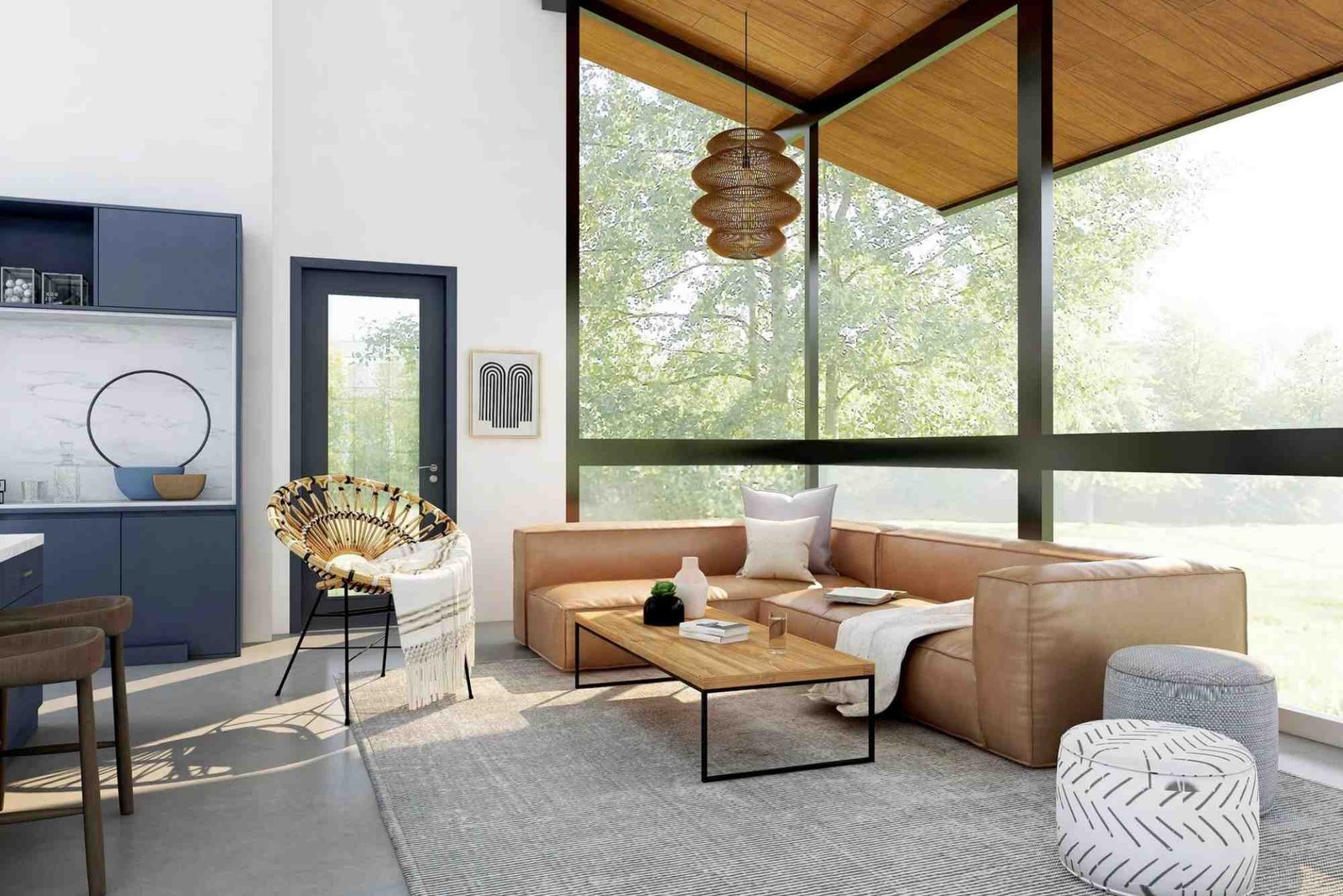
A well-organized home not only looks visually appealing but also promotes a calm and productive lifestyle. Many homeowners struggle with cluttered spaces, inefficient layouts, and items that always seem out of place. The key to solving these issues lies in thoughtful planning, understanding the function of each room, and implementing smart organization techniques. Arranging your home layout to be more organized doesn’t require a complete renovation; small changes can make a significant impact.
Understand Your Space and Its Function
Before rearranging furniture or decluttering, take time to understand your home’s layout. Each room has a purpose, and its design should reflect that. Start by evaluating how you use your spaces daily. Are you constantly moving through cluttered pathways? Do certain rooms feel cramped or uninviting? Understanding the function of each area helps you make decisions about what to keep, where to place furniture, and how to utilize available space efficiently. Think about flow, natural lighting, and accessibility while considering your daily routines. A room that feels comfortable and functional will naturally appear more organized.
Declutter First for Maximum Efficiency
Decluttering is the foundation of an organized home layout. Begin by removing items you rarely use or don’t need. Sort belongings into categories: keep, donate, or discard. This process not only reduces clutter but also clarifies the purpose of each room. When you declutter, it becomes easier to decide on furniture placement and storage solutions. Avoid keeping things “just in case”; unnecessary items create visual chaos and make the space less functional. Once you have a decluttered environment, you can focus on arranging furniture and storage systems effectively.
Create Zones for Different Activities
Organizing your home layout involves creating distinct zones for different activities. In the living room, for instance, designate areas for relaxation, entertainment, and reading. In the kitchen, separate food preparation, cooking, and dining spaces. Zones help maintain order and make each area functional. Use rugs, lighting, or furniture placement to visually define these zones. By clearly identifying activity zones, you reduce chaos and allow each space to serve its purpose efficiently. This strategy also helps family members and guests navigate the home effortlessly.
Maximize Storage Without Compromising Style
Storage is key to an organized home layout, but it doesn’t have to be bulky or unattractive. Use multifunctional furniture such as ottomans with hidden compartments, beds with drawers underneath, or shelves that double as decorative features. Vertical storage options like tall bookshelves or wall-mounted racks utilize unused space effectively. Invest in storage solutions that complement your interior style so that organization doesn’t compromise aesthetics. Containers, baskets, and labeled bins keep items neatly arranged and easy to access. Smart storage creates an uncluttered appearance while improving daily convenience.
Arrange Furniture for Comfort and Flow
The placement of furniture plays a crucial role in how organized a home feels. Avoid crowding rooms with unnecessary pieces. Ensure pathways are clear and movement is natural. In larger spaces, consider grouping furniture to create conversation areas or functional corners. In smaller homes, prioritize essential furniture and keep multipurpose items to maximize space. Angling furniture toward windows or focal points enhances both visual appeal and functionality. A well-thought-out furniture layout improves flow, making the home appear tidy and inviting.

Use Light and Color Strategically
Lighting and color choices influence how organized a room feels. Bright, natural light opens up spaces and makes them appear cleaner and larger. Use sheer curtains or strategically placed mirrors to enhance light distribution. Neutral colors or soft tones create a calm, orderly atmosphere, while accents of bold colors can define zones or highlight décor. Avoid overly dark or cluttered patterns, as they can make spaces feel chaotic. Thoughtful use of light and color supports an organized layout by emphasizing structure and purpose.
Incorporate Minimalism Where Possible
Minimalism is a powerful tool for an organized home layout. By reducing unnecessary items and focusing on quality over quantity, rooms feel more spacious and orderly. Minimalist design encourages intentional placement of furniture and décor, eliminating distractions. Keep surfaces clear and decorative elements purposeful. Minimalism doesn’t mean a lack of personality; it allows key pieces to stand out while maintaining organization. This approach works particularly well in high-traffic areas where clutter accumulates quickly.
Optimize Small Spaces Efficiently
Small spaces require creative organization strategies to maintain functionality. Use wall-mounted shelves, under-bed storage, or foldable furniture to save floor space. Mirrors can create an illusion of openness, while multipurpose furniture adds versatility. Decluttering frequently in compact areas is essential, as even small amounts of disorder can feel overwhelming. Properly optimized small spaces appear larger and more organized, making daily life more comfortable and efficient.
Maintain Organization with Daily Habits
Arranging a home layout for organization is only the first step; maintaining it requires consistent habits. Develop routines such as putting items back in designated spots, regular decluttering sessions, and periodic evaluation of room functionality. Encourage family members to participate, so everyone contributes to a tidy environment. Small daily actions prevent clutter from accumulating and ensure the home remains visually appealing. Over time, organized habits become second nature, making the layout more sustainable.
Blend Functionality with Aesthetic Appeal
An organized home should balance functionality with aesthetic appeal. Choose furniture, storage solutions, and décor that serve a purpose while enhancing visual appeal. Decorative baskets, stylish shelving units, and functional artwork can all contribute to a neat and inviting space. Avoid overcrowding rooms with purely decorative items; every piece should add value. Combining style and function ensures the home feels cohesive, pleasant, and effortlessly organized.
Leverage Technology for Smart Organization
Modern technology can simplify home organization. Smart home devices like automated lighting, digital calendars, and storage tracking apps help manage household tasks efficiently. Technology can also optimize energy use, security, and maintenance, freeing up mental space for other priorities. Using digital tools in conjunction with physical organization strategies makes the home layout more streamlined and reduces clutter-related stress.
Organizing your home layout is a process that combines planning, decluttering, functional furniture placement, and consistent habits. By understanding each room’s purpose, creating activity zones, maximizing storage, and incorporating aesthetic choices, you can transform your home into a more organized and comfortable space. Every small adjustment contributes to a more efficient and visually pleasing environment. Take the first step today: evaluate your home, declutter, and implement one or two changes to see immediate improvement. An organized home enhances not only your living experience but also your peace of mind. Start arranging your home layout now and enjoy the benefits of a well-ordered space.
Owning a vacation rental property offers more than just extra income—it provides flexibility, long-term investment growth, and a personal getaway spot. Understanding the advantages can help you make smarter real estate decisions. Learn more about the benefits of owning a vacation rental property here:
FAQs
How can I make a small home feel more organized?
Use vertical storage, multipurpose furniture, and clear zones. Decluttering frequently is key.
What is the best way to declutter a home?
Sort items into keep, donate, and discard categories. Focus on functionality and frequency of use.
How do I arrange furniture for better flow?
Ensure clear pathways, group seating for functionality, and avoid overcrowding rooms with unnecessary pieces.
Can color impact home organization?
Yes, light and neutral colors create a calm, orderly atmosphere, while bright accents can define zones or highlight décor.
How often should I reorganize my home layout?
Review your layout seasonally or whenever your lifestyle changes to maintain efficiency and organization.

