
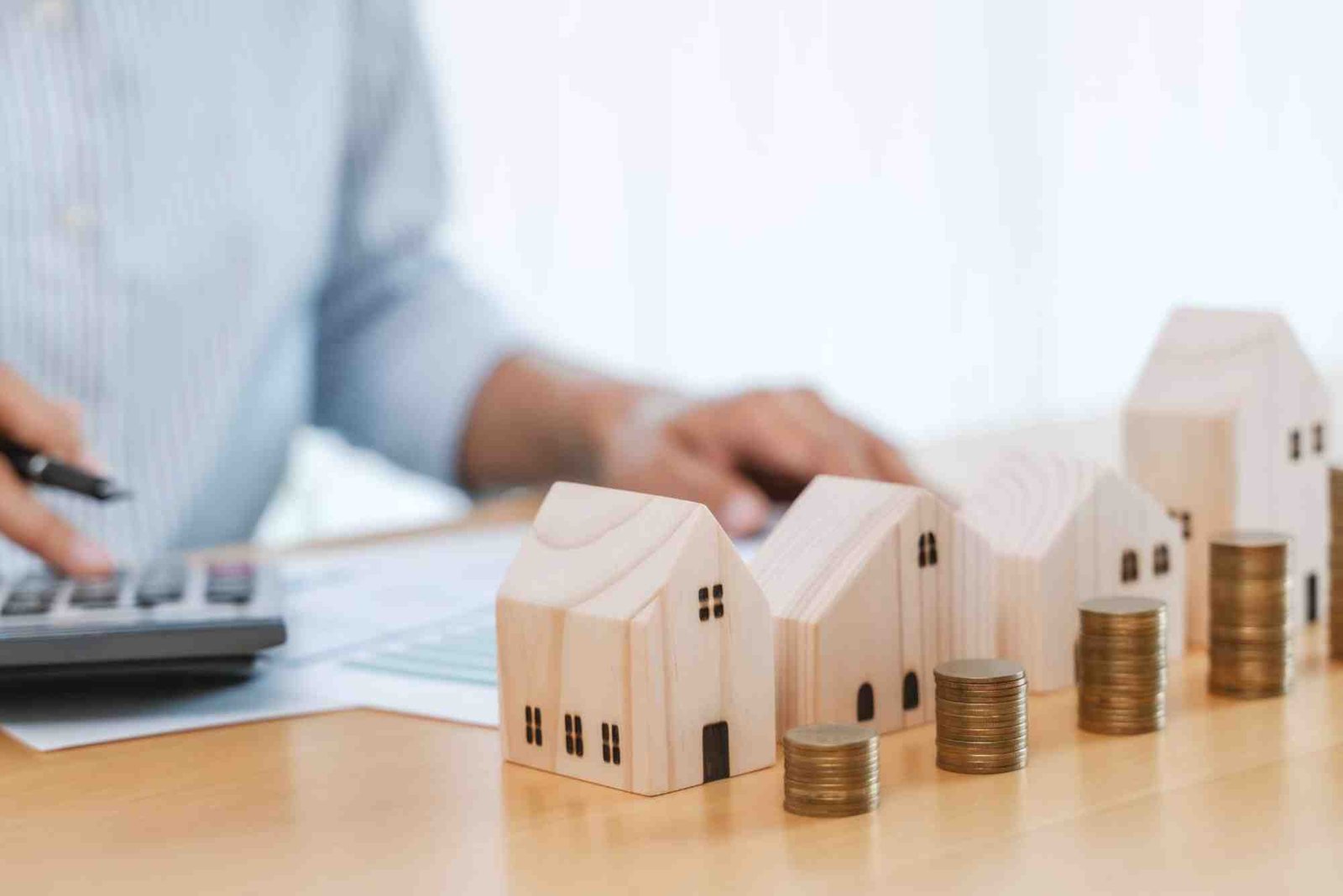
Property value is one of the most critical aspects for homeowners, investors, and real estate professionals. Understanding what drives a property’s worth can help you make informed decisions when buying, selling, or investing. Multiple factors contribute to property value, and they often interconnect, influencing the price either positively or negatively. In this article, we will explore the essential elements that affect property value, offering insights for anyone navigating the real estate market.
Location
The location of a property is often the most significant factor affecting its value. Properties in prime areas typically command higher prices due to convenience, prestige, and access to amenities. Proximity to schools, hospitals, shopping centers, and public transportation can greatly increase desirability. Neighborhood safety, scenic views, and community infrastructure also play a crucial role. For instance, properties near parks or waterfronts tend to attract premium buyers. The reputation of the area, including its social and economic environment, can impact long-term property appreciation.
Property Size and Layout
The size of a property directly influences its value. Larger homes or plots often have higher market prices, but the layout and functional design also matter. Open floor plans, sufficient bedrooms, and well-thought-out living spaces make properties more appealing. Efficient use of space can increase usability without necessarily expanding the footprint. Outdoor areas like gardens, patios, or balconies add extra value, particularly in urban settings where private outdoor space is limited.
Age and Condition of the Property
Newer properties typically fetch higher prices due to modern construction, updated facilities, and reduced maintenance concerns. However, older homes with historical or architectural significance can also attract premium buyers. Regular maintenance, renovations, and upgrades can enhance property value significantly. Neglect, on the other hand, can reduce a property’s market appeal. Structural integrity, plumbing, electrical systems, roofing, and energy efficiency are all aspects that impact how buyers perceive the value of a property.
Market Trends and Economic Factors
The broader real estate market and economy significantly affect property values. Supply and demand dynamics, interest rates, and the overall economic climate influence buyer behavior. In a booming market with limited inventory, property prices rise, while oversupply can lead to decreased values. Inflation, employment rates, and economic stability also impact purchasing power and investor confidence. Understanding local market trends and predicting future growth can help property owners maximize returns.
Neighborhood Amenities and Infrastructure
Properties surrounded by well-developed amenities often enjoy higher values. Schools, hospitals, shopping centers, and recreational facilities enhance desirability. Efficient transport networks, including highways, metro systems, and bus routes, can increase accessibility and convenience. Even planned community improvements like parks, pedestrian-friendly streets, and community centers can boost property values over time. Buyers often prioritize areas with high-quality infrastructure, as it improves lifestyle and long-term investment potential.

Zoning and Land Use Regulations
Local zoning laws and land use regulations can directly affect property value. These regulations dictate what can be built, modified, or developed on a property. Properties in areas with flexible zoning may offer more potential for expansion or commercial use, increasing their market appeal. Conversely, restrictive zoning can limit development opportunities, potentially reducing value. Awareness of zoning laws, permitted uses, and any planned urban developments is critical when evaluating property investment.
Environmental Factors
Environmental elements can either enhance or reduce property value. Properties in flood-prone or high-risk areas often have lower values due to potential damage and insurance costs. Conversely, homes with scenic views, proximity to natural landscapes, or good air quality can command premium prices. Noise pollution, traffic congestion, and industrial activity can negatively impact desirability. Climate considerations, including temperature, humidity, and exposure to natural disasters, are increasingly important for long-term property valuation.
Property Upgrades and Renovations
Investing in home improvements can significantly increase property value. Upgrades like modern kitchens, updated bathrooms, energy-efficient systems, and new flooring can make a property more attractive to buyers. Even cosmetic improvements such as fresh paint, landscaping, or better lighting can enhance perception and appeal. Smart home technology and sustainable features are gaining popularity, allowing properties with these upgrades to fetch higher prices. Renovations should be strategic, focusing on changes that provide the best return on investment.
Historical Value and Cultural Significance
Some properties have inherent value due to historical or cultural significance. Heritage homes, architecturally unique properties, or locations tied to local history can attract premium buyers. Such properties often carry prestige and may be preserved under specific laws or regulations. While maintenance may be costlier, the uniqueness and cultural appeal often result in higher market value and long-term investment potential.
Accessibility and Connectivity
Accessibility is a key determinant of property value. Properties with easy access to major roads, public transport, airports, and city centers are more desirable. Walkability, bike lanes, and proximity to daily necessities also influence buyer decisions. Properties in well-connected areas save time and provide convenience, making them attractive for families and professionals alike. Poor connectivity, on the other hand, can reduce market appeal and resale value.
Economic Development and Future Growth Prospects
Investors often consider a property’s future growth potential. Areas with upcoming infrastructure projects, new business hubs, or urban development plans can experience significant property appreciation. Anticipation of economic development often drives demand, as buyers seek to capitalize on rising values. Being informed about local government plans, investment initiatives, and commercial projects can provide a strategic advantage in property investment decisions.
Supply and Demand Dynamics
The basic economic principle of supply and demand heavily influences property value. In high-demand areas with limited available properties, prices rise. Conversely, oversupply can depress values, even in otherwise desirable locations. Market competition, demographic trends, and migration patterns all contribute to demand fluctuations. Understanding local housing trends, including new construction rates and population growth, can help anticipate changes in property value.
Safety and Security
Neighborhood safety is a critical factor in property valuation. Areas with low crime rates and effective policing attract more buyers and command higher prices. Perceptions of safety influence family-oriented buyers the most, while security measures like gated communities, surveillance systems, and community watch programs enhance property appeal. Unsafe areas often experience slower appreciation and may see decreased investor interest.
Aesthetics and Curb Appeal
First impressions matter in real estate. Properties with well-maintained exteriors, attractive landscaping, and a welcoming façade tend to have higher value. Curb appeal affects buyer perception and can influence how quickly a property sells. Interior aesthetics, including clean design, natural lighting, and harmonious décor, further enhance value. Investing in visual appeal can yield tangible financial returns.
Economic Stability of the Area
The local economy’s health affects property values. Areas with growing employment opportunities, thriving businesses, and stable markets often attract higher demand. Conversely, regions facing economic decline or high unemployment may see stagnant or declining property values. Buyers and investors assess the economic landscape to predict long-term growth and ensure secure investments.
Property Taxes and Regulatory Costs
High property taxes, maintenance fees, or regulatory costs can deter buyers and reduce property attractiveness. Understanding these ongoing financial obligations is essential when evaluating property value. Areas with favorable tax structures often see increased demand, enhancing market prices. Transparency regarding costs ensures realistic expectations and informed decision-making.
Community and Social Factors
The overall community environment affects property value. Social cohesion, active community engagement, and quality of local services contribute to neighborhood desirability. Areas with vibrant cultural activities, supportive networks, and recreational opportunities tend to attract families and professionals, boosting property value. Conversely, areas lacking community involvement may see slower appreciation.
Property value is influenced by a combination of tangible and intangible factors. Location, property size, condition, market trends, accessibility, and community features all play crucial roles. Understanding these factors allows homeowners and investors to make informed decisions, maximize investment returns, and select properties with long-term growth potential. Keeping an eye on market trends, upgrading properties strategically, and considering future development can provide a competitive edge. If you’re looking to invest or sell property, analyze these elements carefully to ensure optimal value.
Take action today by assessing your property’s current status, understanding the local market, and implementing strategic improvements to maximize its worth.
Discover a world of smart solutions and innovative services at Balio. Whether you’re looking for reliable resources, tips, or insights, Balio offers everything you need to enhance your lifestyle and work efficiency. Explore more about us and our offerings by visiting our home page today.
FAQs
What is the most important factor that affects property value?
Location is often the primary factor, as it impacts accessibility, amenities, safety, and long-term appreciation.
Do renovations increase property value?
Yes, strategic upgrades such as modern kitchens, bathrooms, energy-efficient systems, and improved aesthetics can significantly boost value.
How does the local economy affect property prices?
A stable and growing local economy attracts buyers, increases demand, and supports long-term property appreciation.
Can environmental factors lower property value?
Yes, risks like flooding, pollution, noise, and poor air quality can decrease desirability and reduce market value.
Why is neighborhood safety important for property value?
Safe neighborhoods attract families and investors, resulting in higher demand and better appreciation over time.
How do market trends influence property value?
Property values are affected by supply and demand, interest rates, and overall economic conditions that influence buyer behavior.

