
Introduction
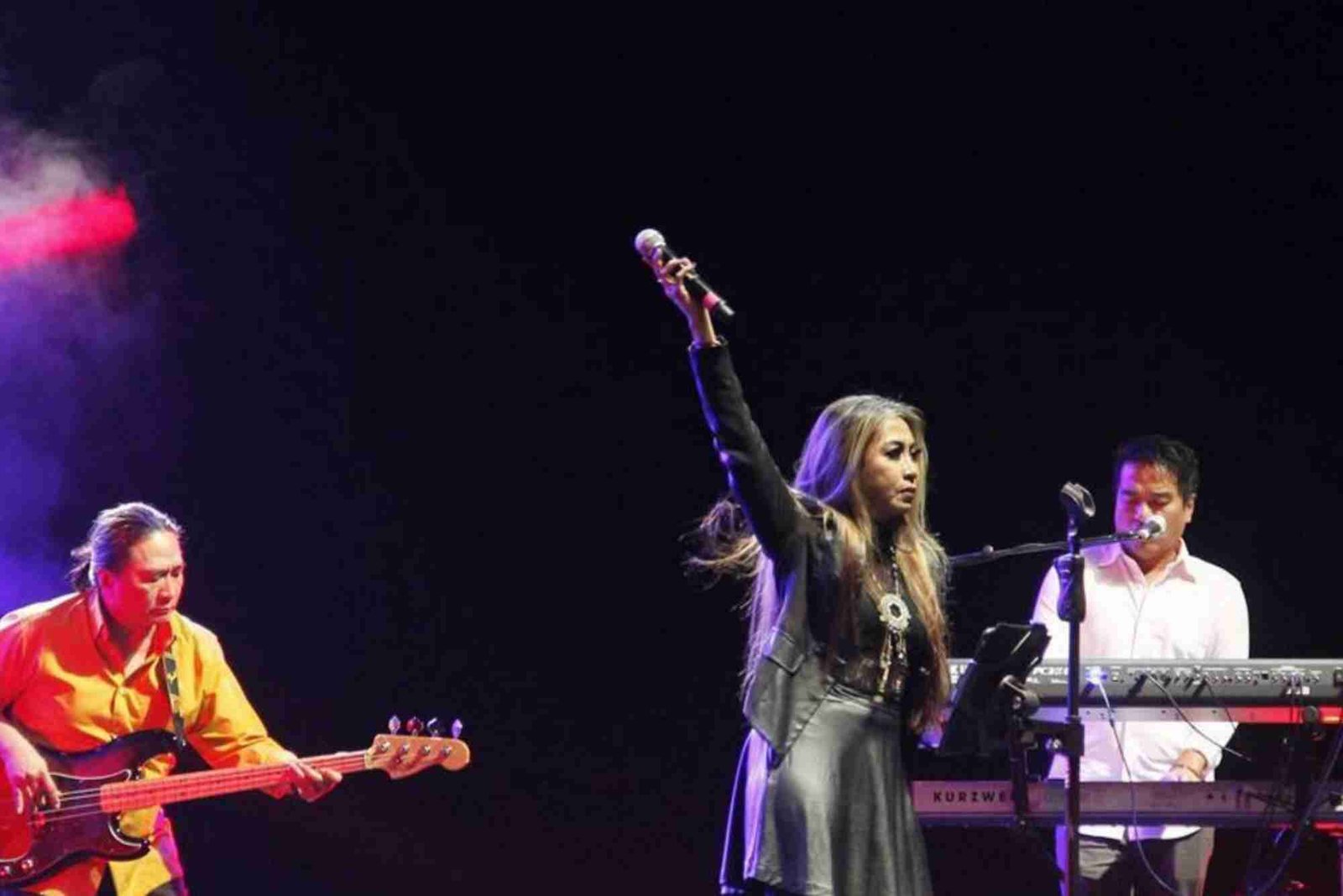
Indonesian jazz music has grown into a vibrant and diverse genre, blending global jazz traditions with local cultural influences. From the smoky jazz clubs of Jakarta to international stages, Indonesian musicians have been shaping a unique sound that reflects the nation’s rich artistic heritage. Understanding Indonesian jazz music and its musicians requires looking at its history, notable figures, and the modern innovations that keep it alive today.
Jazz in Indonesia is more than just a musical style; it represents creativity, collaboration, and cultural fusion. By exploring its musicians and their contributions, we can appreciate how Indonesian jazz has evolved while remaining rooted in its traditions.
The Origins of Jazz in Indonesia
Early Influences
Jazz first arrived in Indonesia during the early 20th century through Dutch colonial presence and international trade. Western musical instruments and styles blended with local music, creating a foundation for jazz to develop. Musicians in urban centers like Jakarta and Surabaya adapted swing and bebop into local performances.
Cultural Fusion
Indonesian jazz music and its musicians often incorporate traditional gamelan, keroncong, and angklung melodies. This fusion gives the music a distinctive sound that differentiates it from American or European jazz. Such integration has allowed Indonesian jazz to appeal to both local and international audiences.
Pioneers of Indonesian Jazz
Benny Mustafa
Benny Mustafa is widely regarded as one of the first Indonesian musicians to embrace jazz fully. His mastery of piano and collaboration with foreign artists in the 1960s helped establish jazz as a respected genre in Indonesia.
Jack Lesmana
Known as the father of Indonesian jazz, Jack Lesmana significantly influenced the development of contemporary jazz. He fused traditional Indonesian music with modern jazz elements, inspiring generations of musicians.

Indra Lesmana
Indra Lesmana, son of Jack Lesmana, is a versatile musician known for his innovative approach. As a composer and pianist, he has toured internationally and brought Indonesian jazz to global audiences.
Modern Indonesian Jazz Musicians
Dwiki Dharmawan
Dwiki Dharmawan is a prominent keyboardist and composer who blends jazz with pop and traditional Indonesian music. His works have contributed to the popularization of jazz across Indonesia.
Simak Dialog
This contemporary jazz group, led by pianist Riza Arshad, combines experimental jazz with modern soundscapes. Simak Dialog is known for its intricate arrangements and improvisational skills.
Tohpati
Guitarist Tohpati has made a mark with his fusion of jazz, rock, and Indonesian musical motifs. His collaborations with various artists showcase the versatility and creativity of modern Indonesian jazz musicians.
Key Characteristics of Indonesian Jazz Music
Integration of Traditional Elements
Indonesian jazz music often integrates instruments like the gamelan or traditional percussion. This blend creates a melodic complexity that is uniquely Indonesian while maintaining the improvisational essence of jazz.
Emphasis on Collaboration
Collaboration is central to Indonesian jazz. Musicians frequently work across genres, combining jazz with pop, rock, or world music. This collaborative spirit has produced some of the most innovative performances in Southeast Asia.
Improvisation and Innovation
Improvisation remains at the core of Indonesian jazz. Musicians experiment with rhythm, melody, and harmony, reflecting the cultural diversity and artistic freedom that define the genre.
Jazz Festivals and Cultural Platforms
Java Jazz Festival
The annual Java Jazz Festival in Jakarta is the largest jazz festival in Asia. It showcases local and international talents, including both established and emerging Indonesian jazz musicians. The festival provides a platform for cross-cultural exchange and innovation.
Jakarta International Java Jazz Fringe
Smaller events like the Jazz Fringe program support experimental jazz projects. These platforms encourage new talent and experimental sounds that push the boundaries of Indonesian jazz music.
University and Community Programs
Music schools and cultural programs in Indonesia nurture young jazz talent. Workshops, competitions, and community events contribute to the sustainability of jazz in Indonesia.
The Future of Indonesian Jazz Music
Digital Platforms and Global Reach
Online streaming and social media have allowed Indonesian jazz musicians to reach international audiences. Platforms like YouTube, Spotify, and TikTok have made jazz more accessible to younger listeners.
Fusion with Modern Genres
Future trends in Indonesian jazz include blending jazz with electronic music, hip-hop, and world music. Musicians continue to innovate while staying true to their cultural roots.
Mentorship and Legacy
Experienced musicians mentor younger generations, ensuring that Indonesian jazz music and its musicians continue to thrive. This passing of knowledge maintains both technical skills and cultural heritage.
Indonesian jazz music and its musicians have created a rich, evolving tradition that bridges the past and the present. From early pioneers to modern innovators, the genre reflects Indonesia’s diversity and creativity. By exploring festivals, collaborations, and recordings, audiences can experience the vibrant life of Indonesian jazz.
Discovering Indonesian jazz is not just about listening; it is about experiencing culture, improvisation, and artistry. Support local musicians, attend performances, and immerse yourself in the distinctive sounds of Indonesian jazz.
Balio.id – Balio.id is your go-to platform for insightful lifestyle tips, travel guides, and the latest trends. From wellness advice to inspiring destinations, Balio.id delivers content that enriches your daily life, helping you explore, relax, and live smarter. Stay updated and make every day more vibrant with Balio.id.
FAQ
What is unique about Indonesian jazz music?
Indonesian jazz music combines traditional instruments like gamelan with jazz improvisation, creating a unique cultural fusion.
Who are the most famous Indonesian jazz musicians?
Pioneers include Jack Lesmana, Benny Mustafa, and Indra Lesmana. Modern artists include Dwiki Dharmawan and Tohpati.
Where can I experience Indonesian jazz live?
The Java Jazz Festival in Jakarta is the largest venue. Local jazz clubs and university programs also host regular performances.
How has Indonesian jazz evolved over time?
It began with Western influences and gradually incorporated local music, leading to fusion genres and modern innovations.
Can I listen to Indonesian jazz online?
Yes, Indonesian jazz music is widely available on platforms like Spotify, YouTube, and Apple Music, featuring both classic and contemporary works.

