
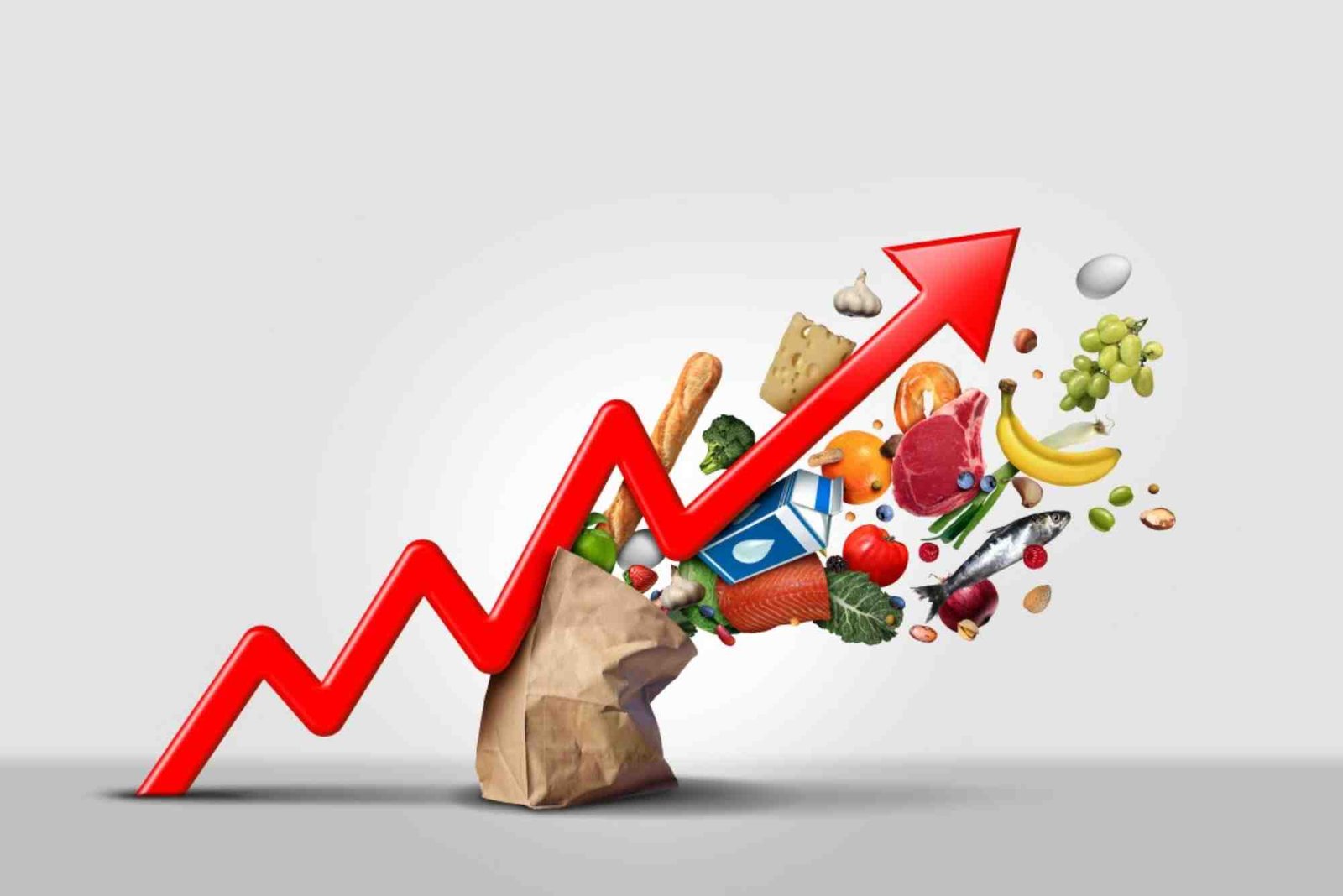
Inflation affects every economy, influencing purchasing power, interest rates, and overall financial stability. Managing inflation requires strategic government interventions to stabilize prices and protect citizens’ welfare. Government policies in handling inflation aim to balance economic growth with price stability. By understanding these policies, we can see how governments prevent hyperinflation and ensure sustainable development.
Introduction to Inflation and Its Economic Impact
Inflation is the sustained increase in the general price level of goods and services. While moderate inflation signals a growing economy, uncontrolled inflation can erode purchasing power. Consumers find it harder to buy essential goods, and businesses face higher costs. In severe cases, inflation can lead to economic instability and loss of investor confidence. Government policies in handling inflation are crucial to maintaining economic balance and protecting citizens from financial hardship.
Monetary Policies to Control Inflation
Monetary policies are primary tools used by governments through central banks to regulate money supply and interest rates. These policies can either tighten or loosen the economy to control inflation. One common method is raising interest rates. Higher rates discourage borrowing, reduce spending, and slow down inflation. Conversely, lowering interest rates can stimulate economic growth when inflation is low. Central banks also control money supply through open market operations. By selling government securities, they reduce the money supply, curbing inflationary pressures.
Fiscal Policies and Inflation Management
Fiscal policies involve government spending and taxation to influence economic activity. During high inflation, governments may reduce public spending to cool the economy. Increased taxes can also help by reducing disposable income, limiting consumer demand. On the other hand, during low inflation or deflation, governments can increase spending and reduce taxes to stimulate demand. Effective fiscal management ensures that inflation does not spiral out of control while promoting long-term economic stability.
Price Control Measures
Governments sometimes intervene directly in the market to control prices of essential goods. Price ceilings are established to prevent basic commodities from becoming unaffordable. Subsidies are another tool, helping lower the cost of critical products for consumers. While these measures offer short-term relief, they must be carefully managed. Excessive controls can lead to supply shortages and black markets. Strategic implementation ensures that price controls support citizens without disrupting the market balance.
Supply-Side Policies and Inflation
Supply-side policies aim to increase production efficiency and expand the availability of goods and services. By reducing production costs and encouraging investment, these policies help control inflation in the long run. Infrastructure development, technological innovation, and regulatory reforms are key components. By improving productivity, governments can ensure that the supply of goods keeps pace with demand, reducing inflationary pressures without harming economic growth.

Exchange Rate Policies
Inflation can also be influenced by currency value. Governments sometimes adjust exchange rates to manage inflation. A stronger currency reduces import costs, helping control prices of imported goods. Conversely, a weaker currency can increase export competitiveness but may lead to higher import prices. Managing exchange rates requires careful consideration of global market conditions and domestic economic goals. This strategy is particularly important for countries dependent on imported goods.
Wage and Income Policies
Wage growth can directly impact inflation levels. Governments sometimes coordinate with labor unions and businesses to manage wage increases. Excessive wage growth without productivity gains can trigger cost-push inflation, as businesses pass higher costs to consumers. By promoting balanced wage policies, governments aim to maintain fair income growth while preventing inflationary spirals. These policies often complement broader fiscal and monetary strategies.
Inflation Targeting
Many central banks adopt explicit inflation targeting to guide economic expectations. By setting a target range for inflation, governments provide a benchmark for monetary policy. Transparent communication helps stabilize markets, guiding businesses and consumers in planning investments and spending. Inflation targeting has become a widely accepted approach for maintaining price stability while supporting economic growth.
Role of Government Communication
Transparent and effective communication is a critical but often overlooked policy. Governments that provide clear guidance about inflation expectations, policy measures, and economic forecasts can influence market behavior. When citizens and businesses trust government actions, speculative price increases are less likely. Public awareness campaigns about responsible spending and saving habits also support overall policy effectiveness.
International Cooperation and Policy Coordination
Global economic dynamics significantly affect domestic inflation. Governments often coordinate policies with international organizations to manage inflation. Trade agreements, currency stabilization programs, and joint economic initiatives can help mitigate inflationary pressures caused by global factors. Such collaboration ensures that domestic policies are effective even amid international economic volatility.
Challenges in Implementing Inflation Policies
Implementing inflation control policies is not without challenges. Delays in policy effects, political constraints, and economic shocks can hinder effectiveness. For example, raising interest rates too aggressively may slow growth, while delayed interventions may allow inflation to spiral. Governments must constantly monitor economic indicators and adjust policies in real time to maintain stability. Balancing short-term relief with long-term sustainability requires careful planning and data-driven strategies.
Government policies in handling inflation are essential for economic stability and citizens’ welfare. Effective measures include monetary control, fiscal adjustments, price management, and strategic communication. By combining these approaches, governments can mitigate inflation’s negative impact while promoting sustainable growth. Understanding these policies allows businesses and individuals to make informed financial decisions. Governments must remain vigilant, adaptable, and transparent to ensure that inflation remains manageable, protecting both the economy and the people. Stay informed about government policies and their impact on inflation. Track updates from central banks and economic reports to make smart financial decisions.
Discover a wide range of innovative solutions and quality services at Balio. Whether you’re looking for expert advice, the latest trends, or reliable resources, Balio is your go-to platform. Explore now to stay updated and make the most of what Balio has to offer for your needs.
FAQs
What are the main tools used by governments to control inflation?
Governments use monetary policies, fiscal adjustments, price controls, supply-side interventions, and wage management to regulate inflation.
How does raising interest rates help control inflation?
Higher interest rates reduce borrowing and spending, lowering demand and slowing inflationary pressures.
Can government spending reduce inflation?
Reducing government spending can lower overall demand in the economy, helping control inflation.
What is inflation targeting?
Inflation targeting is a central bank policy where a target inflation range is set to guide economic expectations and policy decisions.
Why are price controls sometimes necessary?
Price controls prevent essential goods from becoming unaffordable during periods of high inflation, protecting citizens’ basic needs.
How does currency value affect inflation?
A stronger currency lowers import costs, reducing inflation for imported goods, while a weaker currency can raise prices and contribute to inflation.
Are government policies always effective in controlling inflation?
Effectiveness depends on timing, coordination, transparency, and external economic conditions. Policymakers must adapt strategies continuously.

