
Introduction
The world of hospitality has transformed dramatically over the last few decades, largely due to advancements in technology. Among the most significant changes is the way travelers book hotels. From traditional travel agents to sophisticated online platforms, the development of hotel booking technology has reshaped both customer expectations and business operations. Today, booking a hotel is faster, easier, and more personalized than ever before, thanks to the integration of digital tools, data analytics, and artificial intelligence.
Hotel Booking Technology
Booking a hotel was once a cumbersome process. Travelers relied heavily on brochures, phone calls, or in-person visits to secure a room. Reservations often required days of planning, and options were limited by location and availability. With the advent of the internet, this landscape began to shift, introducing a wave of efficiency, convenience, and transparency. The development of hotel booking technology has fundamentally changed how guests plan their trips, compare prices, and access services, resulting in a more user-centric approach to travel.
As technology continues to evolve, the hotel industry has embraced digital platforms, mobile apps, and online marketplaces. These innovations have allowed hotels to reach a global audience while giving travelers greater control over their travel experiences. Understanding the history and progression of these technologies provides insight into how the hospitality sector has adapted to meet modern demands.
Early Stages of Hotel Booking Technology
The Role of Travel Agents
Before digital platforms, travel agents were the primary link between hotels and guests. Agents maintained extensive directories and could book rooms on behalf of travelers. While effective, this system had limitations. Access to information was often delayed, pricing transparency was low, and last-minute changes could be difficult to manage.
Telephone and Fax Reservations
The introduction of telephone booking systems in the mid-20th century marked a significant step forward. Guests could call hotels directly to confirm availability. Later, fax machines allowed hotels to send confirmations and contracts quickly. Although faster than manual methods, these systems were still labor-intensive and prone to human error.
Early Computerized Reservation Systems
By the 1970s and 1980s, computerized reservation systems (CRS) emerged, particularly among large hotel chains. These systems allowed hotels to track inventory, automate bookings, and manage customer data. Early CRS were expensive and mainly accessible to chain hotels, leaving smaller establishments reliant on manual methods. Nevertheless, they laid the foundation for future online booking innovations.

Rise of Online Booking Platforms
The Internet Revolution
The true transformation came with widespread internet adoption in the 1990s. Online booking platforms revolutionized the travel industry by connecting hotels directly with customers. Sites like Expedia, Booking.com, and later Airbnb provided travelers with instant access to thousands of options worldwide. Users could compare prices, read reviews, and book rooms in seconds.
Benefits of Online Booking
Online platforms offered multiple advantages. First, they increased convenience, allowing guests to book anytime and anywhere. Second, transparency improved as travelers could view photos, amenities, and user reviews before committing. Third, hotels gained the ability to update availability in real-time, reducing overbooking risks. This democratization of information empowered both travelers and businesses.
The Emergence of Mobile Apps
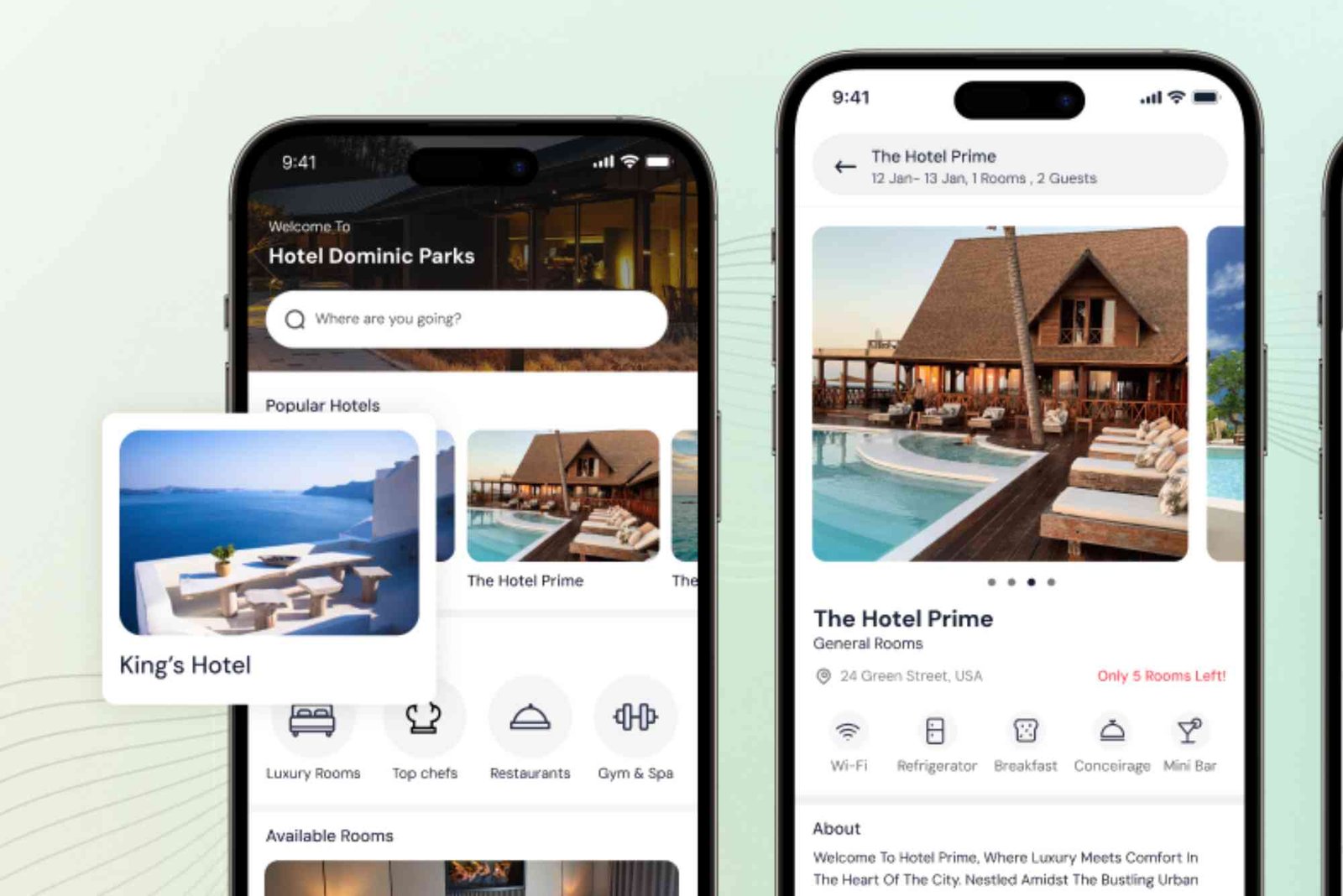
The smartphone revolution further accelerated the development of hotel booking technology. Mobile applications allowed users to book hotels on-the-go, receive instant confirmations, and access personalized recommendations. Push notifications kept travelers informed about promotions, booking deadlines, and loyalty rewards. The mobility and accessibility offered by these apps fundamentally changed travel planning habits.
Artificial Intelligence and Personalization
AI-Powered Recommendations
Artificial intelligence has become a cornerstone of modern hotel booking. AI algorithms analyze user behavior, search history, and preferences to suggest tailored options. For instance, a traveler who often books boutique hotels in urban areas might receive recommendations matching this pattern. This level of personalization enhances user satisfaction and increases conversion rates for hotels.
Dynamic Pricing and Revenue Management
AI also plays a critical role in dynamic pricing strategies. Hotels use machine learning models to adjust rates based on demand, seasonality, and competitor pricing. This ensures competitive pricing while optimizing revenue. Guests benefit from fair pricing and the ability to find the best deals available, while hotels maintain profitability.
Chatbots and Customer Support
AI-powered chatbots have streamlined communication between hotels and guests. Bots can answer queries, provide booking assistance, and handle cancellations instantly. By automating routine tasks, hotels reduce workload for staff while improving response times, creating a smoother customer experience.
Integration with Other Travel Services
Multi-Platform Booking Ecosystems
Modern hotel booking technology often integrates with flight reservations, car rentals, and tour packages. This integration allows travelers to plan entire trips in a single platform. Coordinated itineraries enhance convenience, save time, and reduce the risk of scheduling conflicts.
Loyalty Programs and CRM Integration
Customer relationship management (CRM) systems are now tightly integrated with booking platforms. Loyalty programs track guest preferences, reward repeat visits, and provide targeted offers. Personalized incentives encourage brand loyalty, turning occasional visitors into regular customers.
Voice Search and Smart Assistants
The rise of smart assistants such as Siri, Alexa, and Google Assistant has introduced voice-based hotel booking. Travelers can check availability, book rooms, and request information using simple voice commands. This innovation adds another layer of convenience and accessibility, particularly for users who prefer hands-free interactions.
Security and Data Privacy Considerations
Secure Payment Systems
With the increase in online bookings comes the responsibility of secure payment processing. Advanced encryption protocols and secure gateways protect sensitive data, including credit card information. Hotels and platforms must comply with international standards to maintain trust and credibility.
Data Privacy Regulations
Regulations such as GDPR and CCPA have reshaped how hotels handle guest data. Platforms must be transparent about data usage and provide users with control over their personal information. Compliance ensures ethical practices and protects businesses from legal repercussions.
Fraud Detection and Risk Management
Technology also helps detect fraudulent bookings and unauthorized transactions. AI-driven monitoring systems identify unusual patterns, reducing potential losses for both hotels and customers. These measures are critical as the digital landscape expands and cyber threats evolve.
The Future of Hotel Booking Technology
Virtual Reality and Augmented Reality
VR and AR are poised to transform how travelers select hotels. Guests can take immersive virtual tours of rooms, facilities, and local attractions before booking. This technology enhances confidence in purchasing decisions and reduces post-booking dissatisfaction.
Blockchain and Decentralized Platforms
Blockchain technology promises secure, transparent, and tamper-proof booking systems. Smart contracts can automate payments and cancellations, while decentralized platforms reduce reliance on intermediaries, lowering costs for both travelers and hotels.
Predictive Analytics
Predictive analytics will further refine booking experiences. By analyzing trends, seasonal patterns, and customer behavior, hotels can anticipate demand, optimize inventory, and offer personalized promotions. This proactive approach improves guest satisfaction while maximizing revenue.
Embracing Technological Advancements
The development of hotel booking technology has profoundly changed the hospitality industry. From early computer systems to AI-powered platforms and immersive virtual experiences, technology has enhanced convenience, personalization, and efficiency. Travelers now enjoy seamless booking experiences, while hotels can optimize operations, manage revenue, and foster loyalty.
For hotels, embracing emerging technologies is no longer optional—it is essential for staying competitive. For travelers, understanding these tools empowers smarter, faster, and more satisfying travel planning. As technology continues to evolve, the future of hotel booking promises even more innovation, connectivity, and personalization.
Book your next stay today and experience the convenience and innovation of modern hotel booking technology firsthand.
Looking for ways to save on flights? Discover practical Tips to Get Cheap Airplane Tickets that help you book smarter. From comparing prices across platforms, being flexible with travel dates, to using alerts and discount codes, these strategies ensure you get the best deals. Whether traveling for business or leisure, following these tips can significantly reduce your airfare and make your trips more budget-friendly.
FAQ
How has hotel booking technology evolved over the years?
Hotel booking technology has evolved from travel agents and phone reservations to online platforms, mobile apps, AI-powered recommendations, and immersive VR experiences.
Are online hotel bookings secure?
Yes, modern platforms use advanced encryption, secure payment gateways, and AI fraud detection to protect user data.
Can AI personalize my hotel booking experience?
Absolutely. AI analyzes user behavior and preferences to suggest hotels, adjust pricing, and offer tailored recommendations.
Do hotel booking apps offer loyalty rewards?
Yes, many platforms integrate with CRM systems and loyalty programs to reward repeat customers and provide exclusive deals.
What is the future of hotel booking technology?
Future trends include augmented reality tours, blockchain-based secure transactions, predictive analytics, and voice-activated booking systems.

