
Maintaining food hygiene at home is essential for ensuring the safety and health of your family. Contaminated food can lead to foodborne illnesses, which can range from mild stomach discomfort to severe health complications. Practicing proper food hygiene not only protects you and your loved ones but also helps preserve the nutritional quality and taste of your meals. In this guide, we will discuss practical tips and strategies to maintain food hygiene effectively in your home environment.
Understanding the Importance of Food Hygiene
Food hygiene is the practice of keeping food safe and clean from harmful bacteria, viruses, and other contaminants. At home, the risks may seem minimal, but improper handling, storage, or preparation can quickly turn fresh food into a source of illness. Food hygiene is especially important in households with children, elderly members, or individuals with compromised immune systems. Clean food handling reduces the risk of foodborne diseases such as salmonella, E. coli, and listeria, ensuring that every meal is both nutritious and safe.
Proper Handwashing Practices
Washing hands thoroughly is one of the most effective ways to prevent food contamination. Hands should be washed with soap and warm water for at least 20 seconds before and after handling food. It is important to pay attention to areas under the nails and between fingers. Handwashing should also be done after touching raw meat, using the restroom, or handling garbage. Using disposable or clean kitchen towels to dry hands reduces the risk of transferring bacteria to food surfaces.
Safe Food Storage Techniques
Proper storage of food is crucial to maintain its freshness and prevent bacterial growth. Refrigerators should be kept at or below 4°C, and freezers at -18°C. Raw meat, poultry, and seafood must be stored separately from ready-to-eat foods to prevent cross-contamination. Use airtight containers for leftovers and ensure that food is cooled quickly before refrigeration. Regularly check expiration dates and discard expired or spoiled items. Proper storage extends the shelf life of food while minimizing the risk of foodborne illness.
Effective Kitchen Cleaning Habits
A clean kitchen is the foundation of good food hygiene. Countertops, cutting boards, and utensils should be cleaned and sanitized after each use. Wooden cutting boards can harbor bacteria, so it is advisable to use separate boards for raw meat and vegetables. Dishcloths and sponges must be washed frequently or replaced regularly, as they are breeding grounds for germs. Clean appliances, including the refrigerator, oven, and microwave, to prevent mold and bacterial buildup. A clean kitchen creates a safe environment for preparing meals.
Cooking Food at the Right Temperature
Cooking food at the correct temperature is essential to kill harmful bacteria. Different types of food require different temperatures to be safe. For example, poultry should reach an internal temperature of 75°C, while ground meat requires 70°C. Using a food thermometer ensures that meals are cooked thoroughly. Avoid partially cooked food, as undercooked items can carry harmful pathogens. Proper cooking not only kills bacteria but also enhances flavor and texture.

Preventing Cross-Contamination
Cross-contamination occurs when harmful microorganisms are transferred from one food item to another. To prevent this, always use separate utensils, cutting boards, and plates for raw and cooked foods. Wash hands and surfaces immediately after handling raw meat. Store raw food at the bottom of the refrigerator to prevent drips onto other items. Being mindful of cross-contamination ensures that meals remain safe from harmful bacteria.
Safe Water Usage
Water plays a key role in food hygiene, as contaminated water can transmit diseases. Always use clean, filtered, or boiled water for cooking and washing fruits and vegetables. Avoid using water from unverified sources for food preparation. Wash hands with clean water before handling food. Ensuring safe water use reduces the risk of bacterial and viral infections in your household.
Hygienic Handling of Fruits and Vegetables
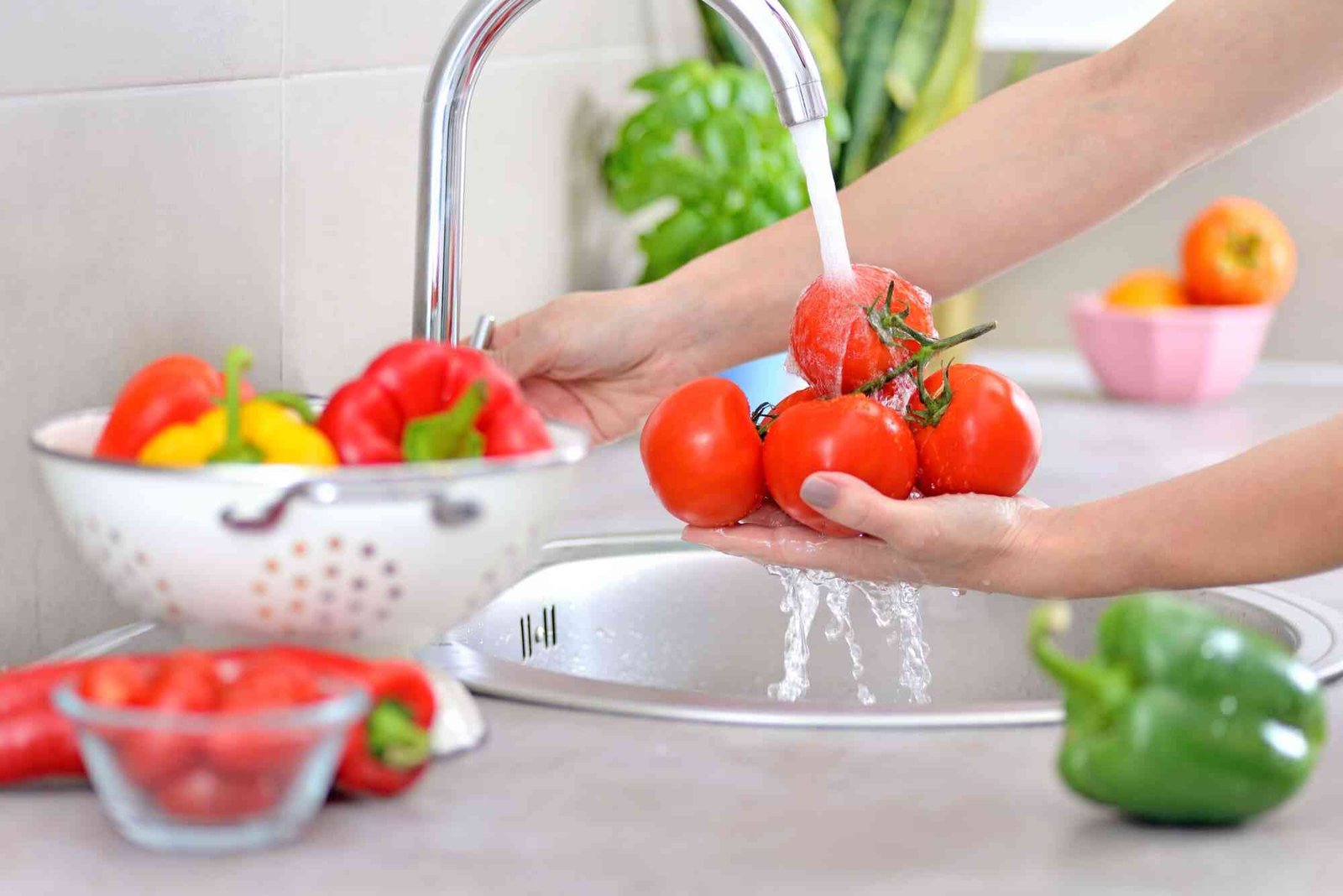
Fruits and vegetables can carry dirt, pesticides, and microbes on their surfaces. Rinse them thoroughly under running water before consumption or cooking. Peeling and trimming can further reduce exposure to contaminants. Consider using a vegetable brush for firm produce such as potatoes and carrots. Proper washing and handling of fresh produce protect your family from potential foodborne illnesses.
Proper Waste Management
Managing food waste properly is part of maintaining overall food hygiene. Dispose of spoiled or leftover food promptly to prevent the growth of bacteria and pests. Use covered bins and empty them regularly. Composting organic waste safely can be an eco-friendly solution, but it should be kept away from food preparation areas. Good waste management contributes to a clean and hygienic kitchen environment.
Personal Hygiene While Cooking
Personal hygiene extends beyond washing hands. Wear clean clothes and avoid cooking when sick. Hair should be tied back or covered with a cap to prevent contamination. Avoid touching your face, nose, or hair while handling food. Keep fingernails short and clean. Maintaining personal hygiene ensures that the food you prepare is safe and free from harmful germs.
Monitoring Food Expiration and Freshness
Regularly check the freshness and expiration dates of all food items. Perishable foods like dairy products, meat, and eggs should be consumed within recommended timeframes. Smell, appearance, and texture are good indicators of spoilage. Do not taste food to check freshness, as harmful bacteria may not affect taste immediately. Staying vigilant about food expiration protects against foodborne illnesses.
Educating Household Members About Food Safety
Everyone in the household should understand the importance of food hygiene. Teach children and family members proper handwashing techniques, safe cooking practices, and food storage habits. Encourage open communication about any signs of spoilage or contamination. A well-informed household ensures that hygiene practices are consistently followed, creating a safer environment for all.
Using Safe Kitchen Tools and Utensils
Ensure that all kitchen tools, knives, and appliances are in good condition and cleaned regularly. Avoid using damaged or rusty utensils, as they can harbor bacteria. Invest in high-quality cutting boards, storage containers, and thermometers for safer food handling. Regular maintenance and cleaning of kitchen tools improve hygiene and efficiency during food preparation.
Regular Kitchen Inspections
Periodically inspect your kitchen for potential hygiene risks. Check for leaks, mold, or pests. Ensure that refrigerators, freezers, and pantry areas are clean and well-organized. Conducting regular inspections helps identify and address issues before they become serious problems. A proactive approach to kitchen hygiene ensures a safe food environment.
Maintaining food hygiene at home is not just about cleanliness—it is a commitment to the health and safety of your family. From proper handwashing to safe storage, cooking at the right temperatures, and preventing cross-contamination, every step plays a vital role in creating a healthy eating environment. Implementing these practices consistently ensures that every meal is safe, nutritious, and enjoyable. Start today by reviewing your kitchen routines, educating your household, and taking small, practical steps toward better food hygiene. Your family’s health depends on it.
During the holiday season, certain FMCG products in high demand see a significant sales boost as consumers stock up on essentials and gifts. Understanding these trends can help businesses plan inventory and marketing strategies effectively. Explore more insights on FMCG products in high demand during the holiday season to stay ahead.
FAQs
How can I prevent food contamination at home?
Prevent food contamination by washing hands, storing raw and cooked food separately, cooking at the correct temperature, and keeping your kitchen clean.
What is the best way to wash fruits and vegetables?
Rinse under running water, use a vegetable brush for firm produce, peel or trim where necessary, and avoid using unclean water.
How long can leftovers be safely stored?
Leftovers should be stored in airtight containers in the refrigerator for up to 3-4 days. Freeze if keeping longer.
Does washing hands really prevent foodborne illness?
Yes, thorough handwashing with soap for at least 20 seconds significantly reduces the risk of transferring harmful bacteria to food.
How do I know if food has gone bad?
Check expiration dates, look for changes in color or texture, and smell the food. Avoid tasting food to check freshness.
Can I maintain food hygiene without a kitchen thermometer?
While a thermometer ensures accuracy, you can maintain hygiene by cooking food until fully done, avoiding raw or undercooked items, and following safe storage practices.

