
Introduction
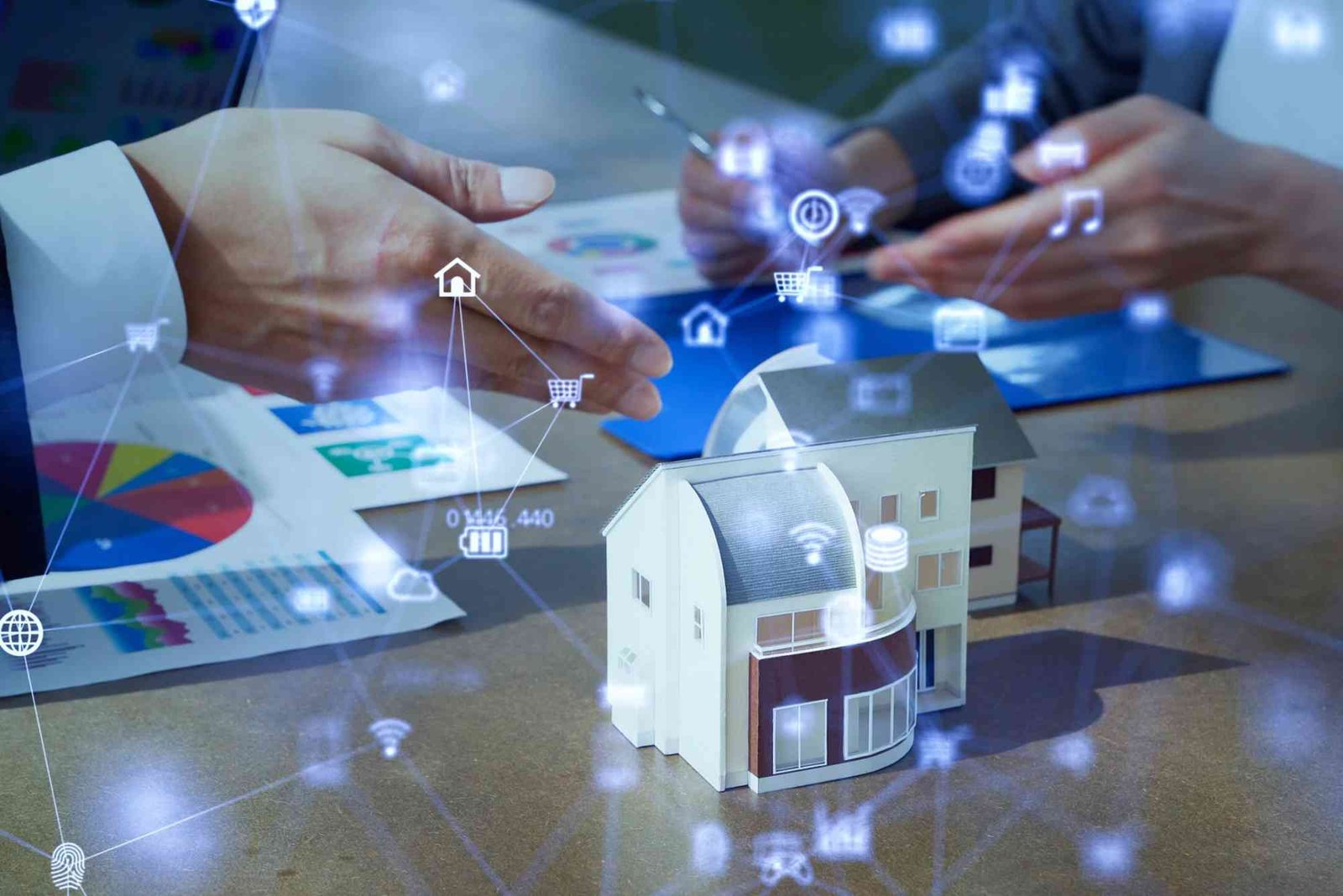
The development of smart homes in the real estate industry is no longer a futuristic concept. Today, technology is seamlessly integrating into our living spaces, transforming traditional houses into intelligent, connected environments. These innovations are influencing how properties are designed, marketed, and valued. As homeowners increasingly seek convenience, sustainability, and security, smart homes are becoming a decisive factor in real estate decisions. Understanding this evolution is essential for real estate professionals, investors, and homeowners aiming to maximize value and efficiency.
The Rise of Smart Home Technology
Smart homes are residences equipped with interconnected devices that automate and optimize daily life. From lighting and climate control to security and entertainment, these systems provide a level of control that was previously unimaginable. The rise of smart home technology is driven by the proliferation of Internet of Things (IoT) devices, which allow everyday objects to communicate with each other and respond to user commands. This connectivity enhances not only convenience but also energy efficiency and safety.
The real estate industry has recognized the potential of these advancements. Properties equipped with smart home features often attract higher market value and faster sales. Buyers increasingly view smart homes as essential rather than optional, expecting features like automated lighting, energy-efficient appliances, and intelligent security systems. Consequently, developers are now incorporating smart technology from the earliest stages of construction, rather than retrofitting existing properties.
Key Features of Modern Smart Homes
Smart homes offer a range of features designed to enhance comfort, efficiency, and security. While some features are common across most smart homes, others are tailored to the needs of specific buyers. Understanding these features helps real estate professionals highlight value and functionality when marketing properties.
Home Automation Systems
At the core of every smart home is a home automation system. This central hub connects and controls devices throughout the house. It allows homeowners to manage lighting, heating, cooling, and appliances from a single interface, often accessible via smartphone or voice command. Automation can also optimize energy usage by adjusting heating and cooling based on occupancy or time of day, reducing utility costs.
Intelligent Security
Security is a major driver of smart home adoption. Advanced surveillance cameras, smart locks, motion sensors, and alarm systems can be monitored remotely, giving homeowners peace of mind. Integration with mobile devices allows instant alerts if unusual activity occurs. Real estate listings with enhanced security features often appeal to families and high-net-worth buyers, increasing the perceived value of the property.

Energy Efficiency and Sustainability
Energy efficiency is both an environmental and financial consideration. Smart homes often include solar panels, energy-efficient lighting, and appliances that monitor and reduce energy consumption. Automated systems can adjust energy use based on real-time data, which not only lowers utility bills but also enhances property appeal in eco-conscious markets. Developers and buyers are increasingly prioritizing sustainability, making energy-efficient smart homes a competitive advantage in the real estate industry.
Voice-Activated and Remote Control Features
Voice assistants like Alexa, Google Assistant, and Siri have become integral to smart homes. These tools allow users to control lighting, temperature, and entertainment systems through simple voice commands. Remote control options via smartphone apps enable homeowners to manage their properties from anywhere in the world. This level of convenience is particularly attractive to busy professionals, travelers, and second-home buyers.
Entertainment and Connectivity
Modern smart homes also prioritize entertainment and connectivity. High-speed Wi-Fi, integrated sound systems, and smart TVs enhance the living experience. Multi-room audio, streaming services, and automated lighting settings can create customized atmospheres for relaxation, work, or social gatherings. For buyers, these features represent not just luxury but also lifestyle enhancement, which can significantly influence property desirability.
Impact on the Real Estate Market
The development of smart homes in the real estate industry has far-reaching implications for developers, buyers, and investors. The integration of technology affects property valuation, marketing strategies, and investment decisions.
Increased Property Value
Properties equipped with smart home technology tend to command higher prices. Buyers perceive smart homes as offering long-term benefits through energy savings, security, and convenience. This perception translates into higher appraisals and quicker sales. Developers who invest in smart home features can justify premium pricing, while real estate agents can leverage these features to attract more qualified buyers.
Marketing Advantages
Smart homes offer compelling marketing advantages. Listings highlighting intelligent systems, energy efficiency, and security features tend to attract more attention. High-quality photos and video demonstrations of smart home technology can increase engagement and conversion rates. Real estate professionals increasingly use these features as key selling points, emphasizing lifestyle, convenience, and innovation.
Changing Buyer Expectations
The popularity of smart homes is shifting buyer expectations. Modern homebuyers no longer see technology as optional but as a necessity. Millennials and tech-savvy buyers, in particular, prioritize properties that integrate seamlessly with their digital lives. Real estate agents must understand these preferences to position properties effectively and negotiate value accurately.
Investment Opportunities
For investors, smart homes represent a promising sector. Properties with advanced automation, security, and energy efficiency features are more likely to retain value and appeal to long-term tenants. In rental markets, smart homes can command higher rents due to their convenience and reduced utility costs. This trend encourages developers and investors to incorporate smart technology in both new constructions and renovations.
Challenges in Smart Home Development
Despite the benefits, the development of smart homes in the real estate industry comes with challenges. Developers, buyers, and real estate professionals must navigate technological, financial, and regulatory hurdles.
High Initial Costs
Integrating smart technology can increase construction and renovation costs. Advanced automation systems, security devices, and energy-efficient appliances often require significant upfront investment. Developers must weigh these costs against potential returns, while buyers must consider long-term savings versus initial expenditure.
Compatibility and Integration
Smart homes rely on multiple devices working together seamlessly. Compatibility issues between devices and platforms can limit functionality or create frustration for homeowners. Developers must choose technologies that offer reliability, scalability, and user-friendly interfaces to ensure a positive experience.
Data Privacy and Security
As smart homes collect personal data, privacy and cybersecurity become major concerns. Connected devices can be vulnerable to hacking, and homeowners may worry about data breaches. Real estate professionals should educate buyers about secure systems and emphasize measures that protect privacy. Developers can also incorporate security protocols to enhance trust and marketability.
Rapid Technological Change
Technology evolves quickly, and smart home systems may become outdated. Developers and buyers must consider future-proofing solutions, including software updates and modular systems that allow easy upgrades. Awareness of technological trends helps real estate professionals advise clients effectively.
The Future of Smart Homes in Real Estate
The development of smart homes in the real estate industry is set to accelerate. Emerging trends indicate that technology will continue shaping residential spaces in ways that prioritize efficiency, sustainability, and lifestyle enhancement.
Integration with Sustainable Practices
Future smart homes will likely integrate more renewable energy solutions and eco-friendly materials. Intelligent energy management systems, water-saving devices, and sustainable construction methods will appeal to environmentally conscious buyers. Smart homes that combine luxury and sustainability will become standard rather than exceptional.
Enhanced AI and Machine Learning
Artificial intelligence and machine learning are expected to play larger roles in smart homes. Predictive systems can anticipate homeowner needs, adjust climate and lighting automatically, and even manage security proactively. AI-driven smart homes will provide increasingly personalized experiences, enhancing convenience and comfort.
Smart Communities and Real Estate Planning
Beyond individual homes, entire communities are becoming smarter. Developers are designing neighborhoods with integrated smart infrastructure, including energy-efficient street lighting, connected transportation systems, and communal security networks. Smart communities offer a higher quality of life and may drive the next wave of real estate development.
Investment in Connectivity and Infrastructure
As smart home adoption grows, connectivity infrastructure will become crucial. Reliable high-speed internet, 5G networks, and IoT compatibility are essential for the full potential of smart homes. Real estate developers and investors will need to consider these factors when planning new projects or upgrading existing properties.
The development of smart homes in the real estate industry is transforming how we live, invest, and experience property. Smart homes offer convenience, security, energy efficiency, and lifestyle enhancement, making them highly desirable for modern buyers. Real estate professionals and investors who embrace these trends can unlock new opportunities, increase property value, and meet evolving buyer expectations. As technology continues to advance, the integration of smart systems into homes will become more sophisticated, offering even greater benefits. Real estate stakeholders who understand and implement smart home solutions today will be well-positioned for the future.
Invest in the future of living. Explore smart home options to enhance property value, convenience, and sustainability in today’s real estate market.
Investing in rental properties can be a smart way to build long-term wealth, but it requires careful planning and strategy. Our Complete Guide to Rental Property Investment covers everything from choosing the right location, analyzing cash flow, understanding taxes, to managing tenants effectively. Whether you’re a first-time investor or looking to expand your portfolio, this guide provides essential insights to maximize returns and minimize risks.
FAQ
What is a smart home in real estate?
A smart home is a residence equipped with interconnected devices that automate lighting, climate control, security, and entertainment, enhancing convenience and efficiency.
Why are smart homes increasing in value?
Smart homes offer energy savings, improved security, and lifestyle enhancements, making them more attractive to buyers and increasing market value.
Are smart homes more expensive to maintain?
While initial costs may be higher, smart homes often reduce long-term utility bills and provide remote management, offsetting maintenance expenses.
How does smart home technology affect real estate marketing?
Smart home features can be highlighted in listings to attract buyers, showcase innovation, and differentiate properties in competitive markets.
Will all homes become smart in the future?
As technology becomes more affordable and integrated into daily life, the majority of new homes are expected to include smart systems, making them standard rather than optional.

